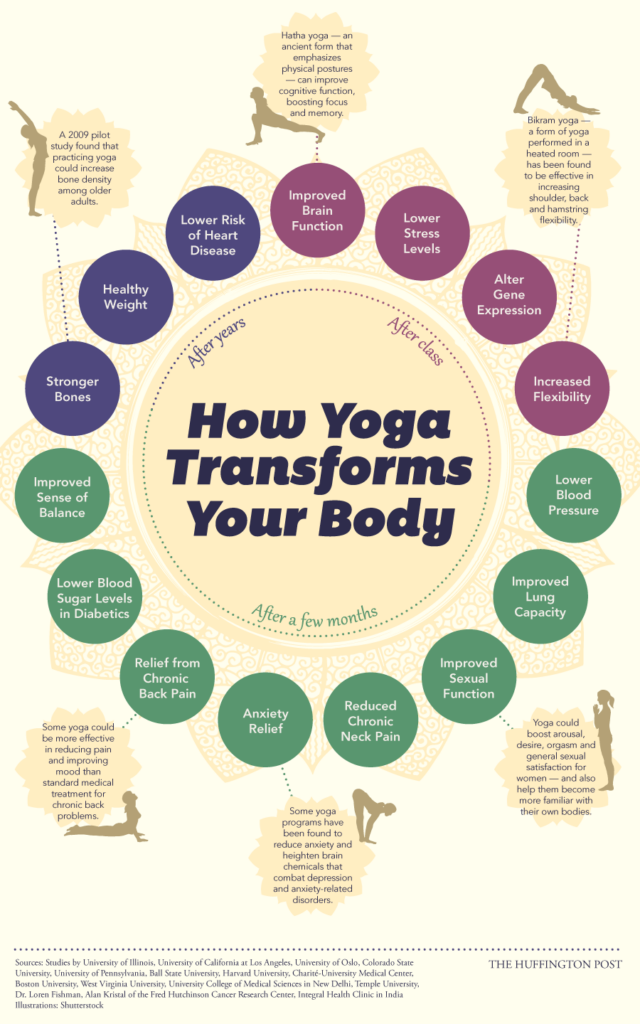
Have you ever wondered how your body transforms through the practice of yoga? Discover the amazing ways that yoga can positively impact your physical well-being and enhance your overall health. From increased flexibility and strength to improved posture and stress reduction, delve into the transformative effects of yoga on your body and immerse yourself in the journey towards a healthier and happier you.
Improved Flexibility
Increased Range of Motion
Yoga is well-known for its ability to improve flexibility. Regular practice of yoga postures, also known as asanas, can significantly increase your range of motion. This means that you will be able to move your muscles and joints more freely and with less effort. By regularly stretching and lengthening your muscles, yoga helps to release tension and tightness, allowing you to access a wider range of motion in your daily activities. Whether it’s reaching for something on a high shelf or bending down to tie your shoes, increased flexibility through yoga can make everyday movements easier and more comfortable.
Reduced Muscle Stiffness
Muscle stiffness can be a common issue, especially as we age or lead sedentary lifestyles. However, practicing yoga can help to alleviate this stiffness and promote greater flexibility throughout the body. The gentle stretching and lengthening of muscles in various yoga poses helps to release built-up tension and reduce muscle stiffness. This can be particularly beneficial for individuals who experience stiffness in areas such as the neck, shoulders, and hips. With regular yoga practice, you may notice a significant decrease in muscle stiffness, allowing for greater freedom of movement and improved overall comfort in your body.
Increased Strength
Enhanced Muscle Tone
While yoga is often associated with flexibility, it is also an excellent way to increase your strength. The various yoga poses require you to engage and stabilize different muscle groups, which in turn helps to build and tone your muscles. Yoga poses like Plank, Warrior, and Chair pose target specific muscles such as the core, legs, and arms, helping to strengthen and tone them over time. As you continue to practice yoga, you may notice an improvement in your overall muscle tone, giving you a more defined and sculpted appearance.
Improved Stability
In addition to enhancing muscle tone, yoga also improves stability. Many yoga poses require a strong and stable core, which serves as the foundation for balance and stability throughout the body. By regularly practicing poses that challenge your balance, such as Tree pose or Half Moon pose, you can strengthen the muscles that support stability and improve your overall balance. Improved stability not only enhances your performance in other physical activities but also reduces the risk of falls and injuries, particularly as you age.
Enhanced Posture
Improved Alignment
Poor posture can lead to various problems such as back pain, muscle imbalances, and reduced mobility. Yoga can help address these issues by improving posture and alignment. Through the practice of yoga, you become more aware of your body and learn to align your spine and joints correctly. Poses like Mountain pose and Cobra pose promote proper alignment by elongating the spine and opening up the chest. By practicing these poses regularly, you can develop better postural habits and prevent or alleviate common postural issues.
Reduced Back Pain
Back pain is a common complaint that affects many individuals, often due to poor posture or muscle imbalances. Yoga can play a significant role in reducing back pain by strengthening the muscles that support the spine and improving flexibility in the back and hips. Poses such as Cat-Cow, Child’s pose, and Downward Facing Dog can help stretch and release tension in the back, providing relief from back pain. Regular practice of yoga can not only alleviate existing back pain but also prevent future episodes by promoting proper alignment and strengthening the supporting muscles.
Better Balance
Stabilized Core Muscles
Maintaining balance requires a strong and stable core. The core muscles, including the abdominals and back muscles, play a vital role in keeping the body balanced and stable. Yoga practice often includes poses that engage and strengthen these core muscles, such as Boat pose or Plank pose. By regularly incorporating these poses into your yoga routine, you can stabilize and strengthen your core, leading to better balance and stability in your everyday life. Having a stable core not only enhances your physical performance but also reduces the risk of falls and injuries, particularly as you age.
Reduced Risk of Falls
Falls can be a significant concern, especially for older adults. Yoga can help reduce the risk of falls by improving balance, stability, and body awareness. As you practice yoga, you develop a better sense of your body in space, improving your proprioception and coordination. Poses like Warrior III or Tree pose challenge your balance and teach you how to maintain stability even when external factors try to throw you off balance. By regularly practicing these poses and building better balance, you can significantly reduce the risk of falls and maintain your independence and mobility.

Increased Endurance
Improved Cardiovascular Health
Yoga is often associated with gentle and slow movements, but it can also improve your endurance and cardiovascular health. Dynamic styles of yoga, such as Vinyasa or Power yoga, involve continuous movement and flowing sequences that raise the heart rate and challenge the cardiovascular system. By practicing these more vigorous styles of yoga, you can improve your cardiovascular fitness, strengthen your heart, and enhance your overall endurance. Improved cardiovascular health not only benefits your physical well-being but can also contribute to increased energy levels and stamina throughout the day.
Reduced Fatigue
Feelings of fatigue and low energy can be a common struggle, particularly in today’s fast-paced world. Yoga can help combat fatigue by promoting relaxation and better sleep quality, allowing your body to recharge and recover. By incorporating gentle, calming poses such as Child’s pose or Legs-Up-The-Wall pose into your yoga practice, you can activate the parasympathetic nervous system, which is responsible for relaxation and rest. This relaxation response can help reduce stress hormones, calm the mind, and reduce feelings of fatigue, leaving you feeling more refreshed and energized.
Improved Breathing
Increased Lung Capacity
Breathing is an essential function of life, yet many people do not breathe efficiently or fully. Yoga focuses on deep, mindful breathing techniques known as pranayama, which can significantly improve lung capacity. By practicing pranayama exercises such as Alternate Nostril Breathing or Kapalabhati, you can increase the amount of oxygen circulating in your body and improve the efficiency of your breathing. Improved lung capacity not only enhances overall respiratory function but also provides more oxygen to your muscles, resulting in increased energy levels and overall well-being.
Reduced Respiratory Issues
Respiratory issues such as asthma or chronic obstructive pulmonary disease (COPD) can significantly impact your quality of life. Yoga can be a beneficial complementary therapy for managing these respiratory conditions. The deep stretching and expansion of the chest in yoga poses, combined with focused breathing techniques, can help improve lung function and alleviate respiratory symptoms. Regular practice of yoga can increase lung capacity, improve respiratory muscle strength, and promote relaxation of the respiratory system, leading to reduced respiratory issues and enhanced breathing.

Stress Relief
Reduced Anxiety
Stress and anxiety are all too common in today’s busy world, but yoga offers a powerful tool for managing and reducing these emotional states. The combination of physical movement, breath awareness, and mindfulness in yoga helps activate the relaxation response in the body, reducing stress hormones and promoting a sense of calm. The practice of gentle and restorative poses, such as Child’s pose or Savasana, can help calm the mind, relieve tension, and reduce anxiety. By regularly incorporating yoga into your routine, you can create a more balanced and peaceful state of mind, enhancing your overall well-being.
Promotes Relaxation
In addition to reducing anxiety, yoga can promote relaxation and provide a much-needed break from the demands of daily life. The intentional movements, deep breathing, and meditation techniques in yoga allow you to slow down and connect with your body and mind. By practicing yoga regularly, you create a dedicated space and time for relaxation, nurturing your mental and emotional well-being. Whether it’s a gentle yoga flow or a soothing restorative practice, incorporating yoga into your routine can help bring balance, tranquility, and a sense of calm into your busy life.
Weight Management
Increased Metabolism
Maintaining a healthy weight is a goal for many individuals, and yoga can be a valuable tool in supporting weight management efforts. While yoga alone may not result in significant weight loss, it can contribute to weight management by increasing your metabolism. The physical movements and flows in yoga increase circulation, stimulate the digestive system, and activate the body’s natural detoxification processes. By practicing yoga regularly, you can boost your metabolism, allowing your body to more efficiently burn calories and manage weight.
Reduced Food Cravings
Food cravings can often sabotage weight management efforts, leading to unhealthy eating habits and weight gain. Yoga can help reduce food cravings by promoting mindful eating and increasing body awareness. Through the practice of yoga, you become more attuned to your body’s hunger and satiety cues. This increased awareness can help you distinguish between true hunger and emotional or habitual cravings. By regularly practicing yoga and incorporating mindfulness techniques into your eating habits, you can develop a healthier relationship with food and reduce the frequency and intensity of food cravings.
Increased Body Awareness
Improved Mind-Body Connection
In today’s fast-paced world, it’s easy to become disconnected from our bodies and the present moment. Yoga offers a pathway to reconnecting with yourself and cultivating a stronger mind-body connection. Through the intentional movements, breathwork, and meditation in yoga, you develop a deeper awareness of your body’s sensations, thoughts, and emotions. This heightened awareness not only helps you better understand and respond to your body’s needs but also enhances your overall well-being. By regularly practicing yoga, you can strengthen the mind-body connection, leading to a more balanced and fulfilling life.
Enhanced Self-Perception
Positive body image and self-perception are essential for overall well-being. Yoga promotes a more positive self-perception by encouraging self-acceptance, self-care, and self-compassion. Through the practice of yoga, you learn to appreciate and respect your body for what it can do, rather than focusing on its appearance or perceived flaws. The non-competitive nature of yoga allows you to explore your body’s capabilities without judgment or comparison to others. By regularly practicing yoga and embracing a more positive self-perception, you can cultivate a healthier relationship with your body and develop a greater sense of confidence and self-esteem.
Boosted Immunity
Improved Lymphatic System Function
The lymphatic system is a vital part of the immune system, responsible for removing toxins and waste products from the body. Yoga can help improve lymphatic system function by stimulating lymph flow through specific poses and movements. Inversions, such as Downward Facing Dog or Legs-Up-The-Wall pose, use the force of gravity to facilitate lymphatic drainage. Twisting poses, such as Revolved Triangle or Spinal Twist, help wring out toxins and stimulate lymph flow. By regularly incorporating these poses and movements into your yoga practice, you can enhance lymphatic system function, support detoxification, and boost overall immune health.
Increased Vitality
Vitality refers to a feeling of energy, vibrancy, and overall well-being. Yoga can contribute to increased vitality by reducing stress, improving circulation, and supporting the body’s natural healing processes. The mindful movement, breathwork, and relaxation techniques in yoga help release tension and promote a sense of calm, allowing the body to conserve and redirect energy towards its natural healing processes. Regular yoga practice can leave you feeling more energized, rejuvenated, and alive, enhancing your overall vitality and zest for life.
In conclusion, practicing yoga offers a wide range of benefits for your body and overall well-being. From improved flexibility and strength to enhanced posture and balance, yoga can transform your physical capabilities. Additionally, yoga helps you achieve better endurance, breathing, and stress relief, contributing to both physical and mental health. Moreover, it supports weight management, increases body awareness, and boosts immunity, fostering a holistic sense of vitality and well-being. Whether you’re a beginner or an experienced practitioner, incorporating yoga into your lifestyle can have a profound and positive impact on your body and mind. So roll out your mat, take a deep breath, and embark on this empowering journey towards a healthier, more flexible, and stronger you. Remember, the path to wellness begins with a single yoga pose.