


Yoga, a practice rooted in ancient Indian traditions, encompasses much more than just physical exercise. At its core, yoga is a holistic approach to achieving harmony between the mind, body, and spirit. Incorporating physical postures, breath control, meditation, and ethical principles, yoga aims to cultivate self-awareness, promote relaxation, and enhance overall well-being. By embracing the basic concept of yoga, you embark on a transformative journey towards finding balance, inner peace, and a deeper connection with yourself. Yoga is a holistic practice that combines physical exercises, breath control, meditation, and ethical principles to promote overall well-being, both physically and mentally. It is a system that aims to integrate the body, mind, and spirit for a harmonious and balanced life. The word “yoga” comes from the Sanskrit root “yuj,” which means to unite or join. In essence, yoga is about achieving unity and connection within oneself and with the world around us. It is a way to cultivate inner peace, strength, flexibility, and self-awareness through various practices and disciplines.
Definition of Yoga
Yoga is often defined as a spiritual and physical discipline that originated in ancient India. It is a practice that seeks to attain a state of liberation from suffering and the realization of true self. The goal of yoga is to create a union between the individual consciousness and the universal consciousness. It is a path that leads to self-discovery, self-realization, and self-fulfillment. Yoga encompasses various techniques and practices, including physical postures, breath control, meditation, ethical principles, and more.
Origins of Yoga
The origins of yoga can be traced back thousands of years to ancient India. It is believed to have originated in the Indus Valley Civilization around 3000 BCE. The earliest mention of yoga can be found in the ancient texts called the Vedas, which are a collection of hymns, rituals, and philosophical teachings. The vedic period marked the beginning of Hinduism, and yoga was an integral part of the Hindu religious and spiritual traditions. Over time, yoga evolved and developed into different branches and schools, each with its own philosophies and practices.
Philosophy of Yoga
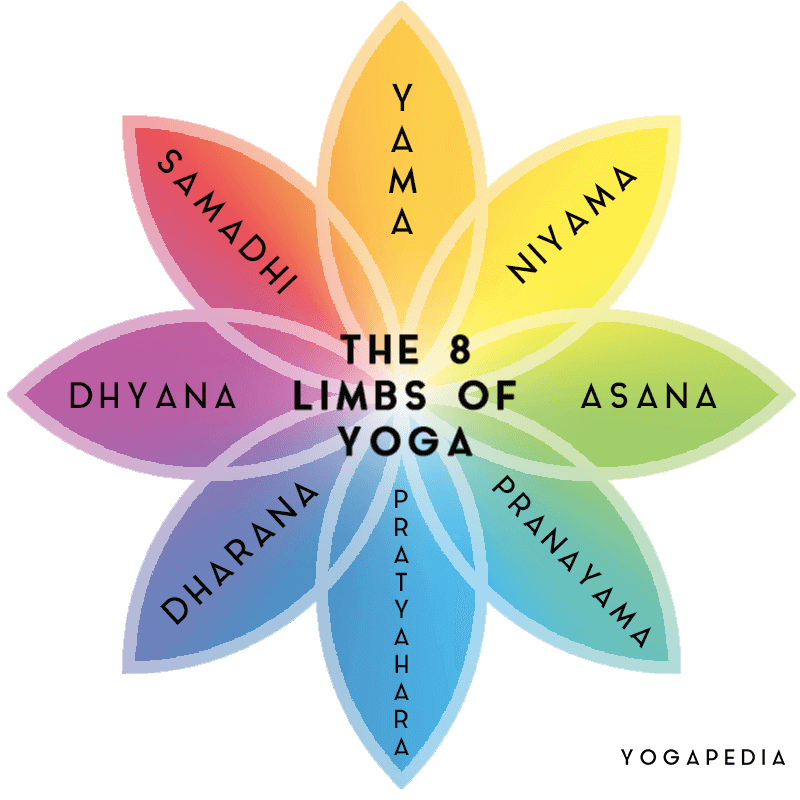
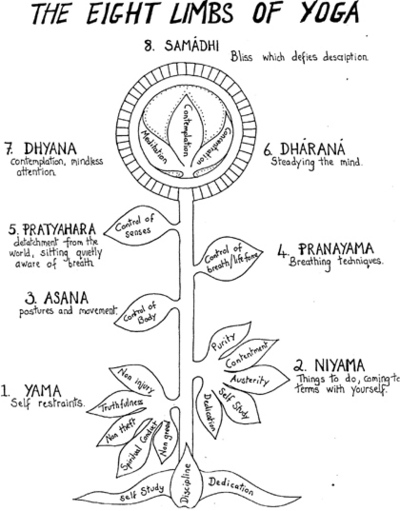
At the core of yoga philosophy are the Eight Limbs of Yoga, as outlined by the ancient sage Patanjali in the Yoga Sutras. These limbs serve as a guide for living a meaningful and purposeful life, both on and off the mat. The Eight Limbs of Yoga are:
-
Yamas (ethical guidelines): These are moral observances and include non-violence, truthfulness, non-stealing, moderation, and non-possessiveness.
-
Niyamas (personal disciplines): These are personal observances and include cleanliness, contentment, self-discipline, self-study, and surrender to a higher power.
-
Asanas (physical postures): These are the yoga poses or exercises that are practiced to strengthen and purify the body.
-
Pranayama (breath control): Pranayama involves controlling and directing the breath to enhance the flow of prana (life force energy) in the body.
-
Pratyahara (withdrawal of senses): This limb focuses on turning the attention inward by withdrawing from external distractions and sensory stimuli.
-
Dharana (concentration): Dharana is the practice of single-pointed focus or concentration, training the mind to become steady and undisturbed.
-
Dhyana (meditation): Dhyana is the state of uninterrupted meditation where the mind becomes completely absorbed in the object of focus.
-
Samadhi (state of bliss): Samadhi is the ultimate goal of yoga, where the practitioner experiences a state of oneness, transcendence, and bliss.
Principles of Yoga
Yoga is based on a set of principles that guide the practitioner in their journey towards self-realization and spiritual growth. These principles are known as the five universal principles of yoga or the pancha koshas:
-
Annamaya kosha (physical body): This is the outermost layer of the self and focuses on the physical body and its nourishment.
-
Pranamaya kosha (energy body): This layer deals with the breath and the subtle energy that flows through the body.
-
Manomaya kosha (mental body): This layer encompasses the thoughts, emotions, and mental faculties of an individual.
-
Vijnanamaya kosha (wisdom body): This layer represents the intellect, intuition, and higher knowledge.
-
Anandamaya kosha (bliss body): This is the innermost layer of the self, where one experiences a state of pure bliss and oneness with the universe.
By understanding and working with these principles, practitioners can develop a deeper connection with themselves and their surroundings, leading to personal growth and spiritual awakening.
Physical Aspects of Yoga
Asanas, or yoga poses, form an essential part of the physical aspects of yoga. These poses are designed to cultivate strength, flexibility, balance, and stability in the physical body. They help improve posture, increase blood circulation, boost metabolism, and promote overall physical health. Each asana targets specific muscle groups and organs, providing various benefits to the practitioner. Some common yoga poses include:
Poses (Asanas)
-
Mountain Pose (Tadasana): This pose focuses on grounding and stability, improving posture and body alignment.
-
Downward-Facing Dog (Adho Mukha Svanasana): This pose stretches the back, hamstrings, and calves while strengthening the arms and shoulders.
-
Warrior I (Virabhadrasana I): This pose enhances strength, balance, and flexibility, stimulating the core, legs, and hips.
-
Tree Pose (Vrikshasana): This pose improves balance, concentration, and focus while stretching the thighs, groins, and torso.
-
Corpse Pose (Savasana): This pose allows for deep relaxation and rejuvenation, promoting a sense of calm and tranquility.
Breathing exercises (Pranayama)
Pranayama, or breath control, is another vital component of the physical aspects of yoga. These breathing exercises help regulate the flow of energy and oxygen in the body, promoting physical health, mental clarity, and emotional well-being. Some common pranayama techniques include:
-
Deep Belly Breathing (Diaphragmatic Breathing): This technique involves breathing deeply into the belly, expanding the diaphragm, and filling the lungs with air.
-
Ujjayi Breathing (Victorious Breath): Ujjayi breathing involves constricting the back of the throat during inhalation and exhalation, creating a sonorous and calming sound.
-
Nadi Shodhana (Alternate Nostril Breathing): This technique involves alternating the breath between the left and right nostrils, balancing the energy channels in the body.
Mudras
Mudras are hand gestures that are used to direct the flow of energy in the body and stimulate certain parts of the brain. They are believed to have healing and transformative effects on the physical and mental state of an individual. Some common mudras include:
-
Gyan Mudra (Gesture of Knowledge): This mudra involves touching the tip of the index finger to the tip of the thumb, promoting concentration, clarity, and wisdom.
-
Anjali Mudra (Salutation Seal): Anjali mudra is a gesture of respect and reverence, performed by pressing the palms together at the heart center.
Bandhas
Bandhas are energetic locks or contractions that are used to redirect and contain the flow of energy in the body. They help increase energy, concentration, and stability while practicing yoga poses and pranayama. The three main bandhas are:
-
Mula Bandha (Root Lock): Mula bandha involves contracting and lifting the pelvic floor muscles, promoting stability and energy flow.
-
Uddiyana Bandha (Abdominal Lock): Uddiyana bandha is achieved by drawing the abdominal muscles inward and upward, energizing the digestive system and stimulating the solar plexus.
-
Jalandhara Bandha (Chin Lock): Jalandhara bandha is performed by lowering the chin towards the chest, activating the throat region, and regulating the flow of energy through the throat chakra.
Mental Aspects of Yoga
In addition to the physical practices, yoga also emphasizes the importance of cultivating mental well-being and emotional balance. The mental aspects of yoga involve practices such as meditation and concentration to calm the mind, improve focus, and enhance overall mental clarity.
Meditation (Dhyana)
Meditation is a practice that involves training the mind to become calm, focused, and aware. It is a state of deep concentration where the mind is free from distractions and attains a higher level of consciousness. There are various meditation techniques that can be practiced, such as:
-
Mindfulness Meditation: Mindfulness meditation involves paying attention to the present moment, observing thoughts and sensations without judgment.
-
Loving-Kindness Meditation: Loving-kindness meditation involves cultivating feelings of compassion, love, and kindness towards oneself and others.
Concentration (Dharana)
Dharana is the practice of single-pointed concentration. It involves focusing the mind on a specific object, sound, or visualization, aiming to develop mental clarity, focus, and stability. Dharana is a stepping stone towards meditation and helps prepare the mind for deeper states of awareness.

Benefits of Yoga
The practice of yoga offers a multitude of benefits, encompassing physical, mental, and spiritual aspects of well-being. Some of the key benefits of yoga include:
Physical Benefits
-
Increased flexibility: Regular practice of yoga poses helps improve flexibility and range of motion in the joints and muscles.
-
Enhanced strength: Yoga poses involve weight-bearing exercises that build muscular strength and endurance.
-
Improved posture: Yoga helps align the spine, strengthen the core, and improve overall posture and body awareness.
-
Increased energy: The combination of breath control, physical postures, and relaxation techniques in yoga helps boost energy levels and reduce fatigue.
-
Better immune function: Yoga practices that promote relaxation and stress reduction have been shown to have a positive impact on the immune system.
Mental Benefits
-
Reduced stress and anxiety: The practice of yoga promotes deep relaxation, stress reduction, and emotional well-being, alleviating symptoms of stress and anxiety.
-
Improved mental clarity and focus: The concentration and meditation practices in yoga help sharpen the mind and improve mental clarity.
-
Enhanced mood and emotional balance: Yoga practices release endorphins, the “feel-good” hormones, and promote emotional balance and stability.
-
Better sleep quality: The relaxation techniques in yoga help relax the body and mind, promoting better sleep and combating insomnia.
Spiritual Benefits
-
Increased self-awareness: Yoga encourages self-reflection and introspection, leading to a deeper understanding of oneself and one’s purpose in life.
-
Cultivation of compassion and gratitude: Yoga practices promote a sense of interconnectedness, empathy, and gratitude towards oneself and others.
-
Liberation from suffering: Yoga philosophy and practices offer tools for self-transformation and liberation from suffering, leading to a sense of peace and contentment.
Different Yoga Styles
There are numerous styles and approaches to practicing yoga, each with its own emphasis, pace, and focus. Some of the popular yoga styles include:
Hatha Yoga
Hatha Yoga is the most widely practiced style of yoga and forms the foundation for other styles. It involves a combination of asanas (poses) and pranayama (breath control) to balance the energies in the body and prepare for meditation.
Vinyasa Yoga
Vinyasa Yoga is a dynamic style of yoga that synchronizes movement with breath. It is characterized by flowing sequences of poses, creating a meditative flow of continuous movement.
Ashtanga Yoga
Ashtanga Yoga is a vigorous and physically demanding style that follows a set sequence of poses. It involves synchronized breath and movement, creating a strong and flowing practice.
Bikram Yoga
Bikram Yoga, also known as hot yoga, is practiced in a heated room. It consists of a set sequence of 26 poses and focuses on strength, flexibility, and detoxification.
Kundalini Yoga
Kundalini Yoga is a spiritual and energetic style of yoga that aims to awaken the dormant energy within the body. It involves dynamic movements, breathwork, chanting, and meditation.
Iyengar Yoga
Iyengar Yoga focuses on precise alignment and the use of props to support and enhance the practice. It emphasizes holding poses for longer durations, developing strength, stability, and body awareness.
Conclusion
In conclusion, the basic concept of yoga revolves around uniting the body, mind, and spirit through various practices and disciplines. Its origins can be traced back to ancient India, and it has evolved into a diverse system with numerous styles and approaches. Yoga incorporates physical poses, breath control, meditation, and ethical principles to promote overall well-being. It offers a wide range of benefits, including physical fitness, mental clarity, stress reduction, and spiritual growth. Whether you are seeking physical fitness, mental peace, or spiritual awakening, yoga provides a comprehensive and holistic path towards a balanced and fulfilling life. So, roll out your mat, take a deep breath, and embark on your journey of self-discovery through the wonderful practice of yoga.