
When considering a yoga studio, the first aspect that often comes to mind is its location and accessibility. You want a place that is not only convenient to reach but also welcoming upon arrival. Ideally, the studio should be situated in a vibrant area, easily accessible by public transportation or with ample parking options.
Imagine stepping off the bus or parking your car just a short walk away from the entrance, feeling the anticipation build as you approach the serene environment that awaits you. A well-located studio can make all the difference in your commitment to practice regularly. Accessibility goes beyond just physical location; it also encompasses the studio’s inclusivity for all individuals.
You may find that some studios offer wheelchair access, gender-neutral restrooms, and facilities that cater to various needs. This commitment to accessibility ensures that everyone can enjoy the benefits of yoga, regardless of their physical abilities. As you explore different studios, consider how each one accommodates diverse populations and whether they create an environment where everyone feels welcome and valued.
Key Takeaways
- Conveniently located with easy accessibility for all clients
- Diverse class offerings with flexible schedules to accommodate different lifestyles
- Experienced and qualified instructors with a variety of backgrounds and specialties
- Welcoming and peaceful studio atmosphere with a range of amenities for clients
- Competitive pricing with various membership options to suit individual needs
Class Offerings and Schedule
As you delve deeper into your yoga journey, the variety of class offerings and their schedules will play a crucial role in your experience. A well-rounded studio typically provides a range of classes that cater to different skill levels, from beginners to advanced practitioners. You might find classes focusing on various styles, such as Hatha, Vinyasa, or Yin yoga, each offering unique benefits and challenges.
This diversity allows you to explore different practices and discover what resonates most with you. The schedule is equally important; it should be flexible enough to accommodate your busy lifestyle. You may appreciate studios that offer early morning classes for those who prefer to start their day with mindfulness or evening sessions for winding down after a long day.
Additionally, weekend workshops can provide an opportunity for deeper exploration of specific techniques or themes. As you assess class offerings and schedules, think about how they align with your personal goals and availability, ensuring that you can maintain a consistent practice.
Instructor Qualifications and Experience
The quality of instruction can significantly impact your yoga experience, making it essential to consider the qualifications and experience of the instructors at any studio you visit. You may want to look for teachers who have completed recognized training programs and possess certifications in various yoga styles. Their expertise can enhance your understanding of postures, breathing techniques, and mindfulness practices, allowing you to deepen your practice safely and effectively.
Beyond formal qualifications, the personal experience of instructors can also enrich your learning journey. Many teachers bring their unique backgrounds and life experiences into their classes, creating a more relatable and engaging atmosphere. You might find instructors who have overcome personal challenges through yoga or those who have traveled extensively to study with renowned masters.
Their stories can inspire you and foster a sense of connection within the studio community, making each class feel more meaningful.
Studio Atmosphere and Amenities
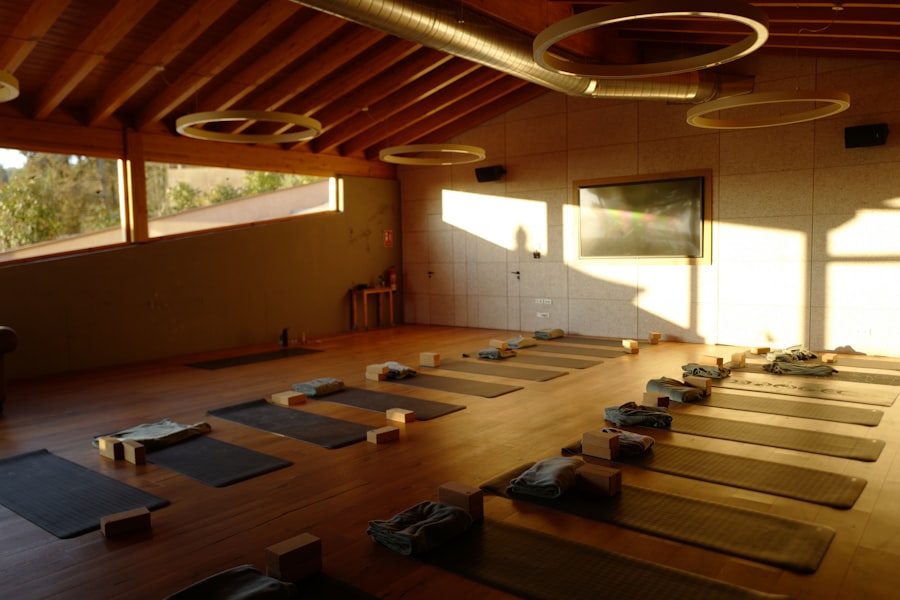
The atmosphere of a yoga studio plays a vital role in shaping your overall experience. As you step inside, you should feel an immediate sense of calm and tranquility. The design elements—such as natural lighting, soothing colors, and comfortable furnishings—can contribute to this ambiance.
A well-thought-out space encourages relaxation and focus, allowing you to immerse yourself fully in your practice. Amenities also enhance your experience at the studio. Consider whether they provide essentials like yoga mats, blocks, straps, and blankets for your use during class.
Some studios may even offer showers or changing rooms for added convenience. You might appreciate spaces for socializing or relaxing before or after class, fostering a sense of community among practitioners. As you explore different studios, pay attention to how the atmosphere and amenities align with your preferences and needs.
Pricing and Membership Options
Understanding pricing and membership options is crucial when selecting a yoga studio that fits your budget and commitment level. Many studios offer various pricing structures, including drop-in rates for occasional practitioners or class packages for those who attend more regularly. You may find that some studios provide introductory offers or discounts for new members, making it easier for you to try out classes without a significant financial commitment.
Membership options can also vary widely; some studios offer unlimited monthly memberships, while others may have tiered plans based on the number of classes attended per month. As you evaluate these options, consider how often you plan to practice and what fits best within your financial means. Additionally, inquire about any hidden fees or cancellation policies to ensure transparency in your investment in your yoga journey.
Client Reviews and Testimonials
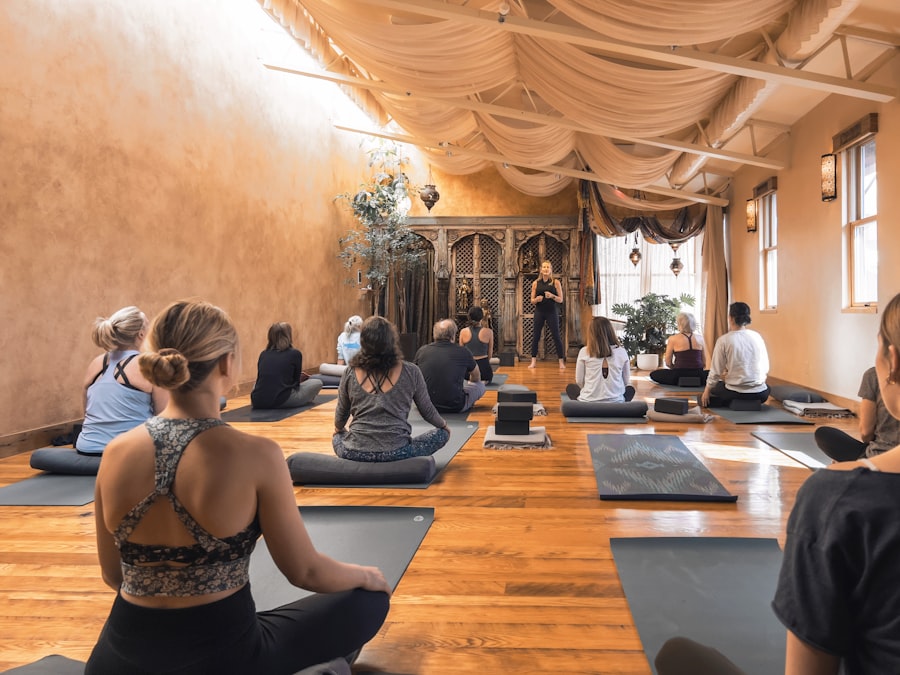
Client reviews and testimonials can provide valuable insights into the experiences of others at a yoga studio. As you research potential studios, take the time to read through feedback from current and former members. Positive reviews often highlight aspects such as instructor quality, class variety, and the overall atmosphere of the studio.
You may find that personal stories resonate with you, helping you gauge whether a particular studio aligns with your values and expectations. Conversely, constructive criticism can also be informative. If multiple reviews mention similar concerns—such as overcrowded classes or inconsistent instruction—it may be worth considering these factors in your decision-making process.
Engaging with online communities or social media platforms dedicated to yoga can also provide additional perspectives on various studios in your area. Ultimately, client reviews can serve as a helpful tool in guiding you toward a studio that meets your needs.
Special Events and Workshops
Many yoga studios host special events and workshops that can enrich your practice beyond regular classes. These events often focus on specific themes or techniques, providing an opportunity for deeper exploration of yoga philosophy or advanced postures. You might find workshops led by guest instructors who bring unique perspectives or specialized knowledge to the table.
Participating in these events can enhance your understanding of yoga while fostering connections with fellow practitioners. In addition to workshops, studios may organize community events such as charity classes or outdoor yoga sessions in local parks. These gatherings not only promote wellness but also strengthen the sense of community within the studio.
As you consider different studios, inquire about their offerings in this regard; engaging in special events can add an exciting dimension to your practice while allowing you to connect with like-minded individuals.
Community Involvement and Outreach
A yoga studio’s commitment to community involvement can significantly enhance its appeal. Many studios actively participate in outreach programs or collaborate with local organizations to promote wellness initiatives within their communities. You may appreciate studios that offer donation-based classes or partner with charities to raise funds for important causes.
This dedication to giving back not only reflects the values of the studio but also creates opportunities for you to engage in meaningful ways. Community involvement can also extend to hosting events that encourage social interaction among members. Whether it’s organizing potlucks, group hikes, or volunteer opportunities, these activities foster connections beyond the mat.
As you explore different studios, consider how their community engagement aligns with your values and whether they create an inclusive environment where everyone feels welcome.
Yoga Styles and Practices
The variety of yoga styles offered at a studio can greatly influence your experience and growth as a practitioner. Each style has its unique focus and benefits; for instance, Hatha yoga emphasizes foundational postures and alignment, while Vinyasa flows connect breath with movement in a dynamic sequence. You may find that exploring different styles allows you to discover what resonates most with your body and mind.
Additionally, some studios may offer specialized classes such as restorative yoga or power yoga, catering to specific needs or preferences. As you assess various studios, consider how their offerings align with your personal goals—whether you’re seeking relaxation, strength-building, or mindfulness practices. A diverse range of styles can keep your practice fresh and engaging while encouraging you to step outside your comfort zone.
Health and Safety Protocols
In today’s world, health and safety protocols are more important than ever when choosing a yoga studio. You want to feel confident that the studio prioritizes cleanliness and follows guidelines to ensure the well-being of its members. Inquire about their sanitation practices—such as regular cleaning of mats and equipment—and whether they have measures in place for social distancing during classes.
Additionally, consider whether the studio provides clear communication regarding any health policies or requirements for attendance. This transparency fosters trust between the studio and its members, allowing you to focus on your practice without unnecessary concerns about safety. As you explore different options, prioritize studios that demonstrate a commitment to maintaining a healthy environment for all practitioners.
Additional Services and Partnerships
Finally, many yoga studios offer additional services that can enhance your overall experience beyond regular classes. These may include wellness services such as massage therapy, acupuncture, or nutrition counseling—each contributing to a holistic approach to health and well-being. You might find that these services complement your yoga practice by addressing physical or mental health concerns more comprehensively.
Partnerships with local businesses can also add value; some studios collaborate with nearby cafes or wellness shops to provide discounts for members or host joint events. These partnerships create opportunities for community engagement while supporting local enterprises. As you evaluate different studios, consider what additional services they offer and how these align with your wellness goals—ensuring that your journey through yoga is both enriching and fulfilling.
If you’re searching for the best yoga studio near Berwyn, Illinois, you might also be interested in exploring how to strategically plan for a successful yoga business. A related article, Business Planning for Yoga Professionals, offers valuable insights into the essential steps for establishing and growing a yoga studio. This resource can be particularly beneficial for those looking to understand the business side of yoga, ensuring that your passion for teaching can also be a sustainable career. Whether you’re a seasoned instructor or just starting out, this guide provides practical advice on creating a thriving yoga community.
FAQs
What are the benefits of practicing yoga?
Practicing yoga can have numerous benefits for both the body and mind. It can improve flexibility, strength, and balance, as well as reduce stress and promote relaxation.
What should I look for in a good yoga studio?
When looking for a good yoga studio, it’s important to consider the qualifications and experience of the instructors, the variety of classes offered, the cleanliness and atmosphere of the studio, and the location and schedule of classes.
How often should I practice yoga?
The frequency of yoga practice can vary depending on individual goals and schedules. Some people may benefit from practicing yoga daily, while others may find a few times a week to be sufficient.
What types of yoga classes are typically offered at a yoga studio?
Yoga studios often offer a variety of classes, including vinyasa, hatha, yin, restorative, and power yoga. Some studios may also offer specialized classes such as prenatal yoga, yoga for beginners, or meditation classes.
What are some tips for beginners starting yoga?
For beginners starting yoga, it’s important to start with beginner-friendly classes, communicate any injuries or limitations to the instructor, and listen to your body. It’s also helpful to invest in a good quality yoga mat and wear comfortable clothing.