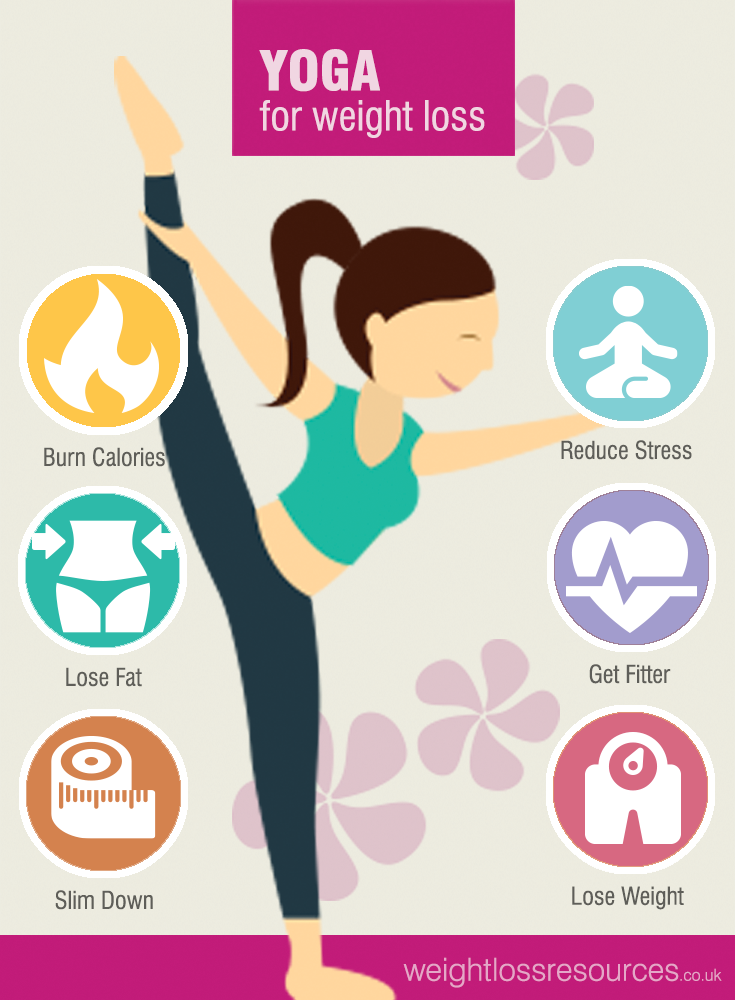
Are you curious about the effectiveness of yoga for weight loss? If so, you’ve come to the right place. Many people wonder if practicing yoga can help them shed those extra pounds, and in this article, we will explore the relationship between yoga and weight loss. So, grab your yoga mat, get ready to relax and stretch, and let’s find out if yoga can be your secret weapon in achieving your weight loss goals.

The Relationship between Yoga and Weight Loss
Overview of yoga
Yoga is a centuries-old practice that originated in ancient India and has gained popularity worldwide for its numerous health benefits. It combines physical postures, breathing exercises, and meditation to promote overall well-being. While yoga is not traditionally viewed as an aerobic exercise, it can still contribute to weight loss in several ways.
Understanding weight loss
Weight loss occurs when you burn more calories than you consume. This creates a calorie deficit and prompts your body to utilize stored fat as an energy source. Various factors influence weight loss, including diet, physical activity, metabolism, and genetics.
Potential for weight loss through yoga
While yoga may not burn as many calories per session as high-intensity workouts, it can still aid in weight loss when practiced consistently. The physical aspect of yoga helps build lean muscle mass, which can increase your metabolic rate and improve fat burning. Additionally, regular yoga practice can help reduce stress, emotional eating, and promote mindfulness, all of which can indirectly contribute to weight loss.
Types of Yoga for Weight Loss
Power yoga
Power yoga is a vigorous and physically demanding form of yoga that focuses on strength, flexibility, and endurance. It typically involves a series of flowing postures performed in a continuous, dynamic sequence. Power yoga can help raise your heart rate, increase calorie burn, and build lean muscle mass.
Vinyasa flow
Vinyasa flow yoga involves linking breath with movement in a continuous and fluid motion. It is known for its dynamic and energetic nature, making it a popular choice for those seeking a more active yoga practice. The continuous movement and transitions between poses help elevate heart rate, improve cardiovascular endurance, and support weight loss efforts.
Hot yoga
Hot yoga, also known as Bikram yoga, is practiced in a heated room, typically around 95-105 degrees Fahrenheit. The combination of heat and dynamic yoga poses leads to increased sweating, which can help detoxify the body and promote weight loss. However, it is important to stay properly hydrated and listen to your body’s limits during hot yoga sessions.
Ashtanga
Ashtanga yoga is a physically demanding and structured style of yoga that follows a set sequence of poses. It emphasizes breath control, strength, and flexibility. Ashtanga yoga can help increase muscle tone, improve cardiovascular endurance, and contribute to weight loss when practiced regularly.
Bikram yoga
Bikram yoga consists of a specific sequence of 26 poses and two breathing exercises practiced in a room heated to 105 degrees Fahrenheit. The heat and humidity promote flexibility, detoxification, and enhanced calorie burn. Bikram yoga can be an effective choice for weight loss, but it is important to stay hydrated and listen to your body’s needs in the elevated temperatures.
Hatha yoga
Hatha yoga is a gentle and slower-paced style of yoga that focuses on holding poses and proper alignment. While it may not be as physically intense as other types of yoga, it still offers benefits for weight loss. The deliberate and controlled movements in Hatha yoga help build muscle strength and endurance, which can increase metabolism and aid in weight management.
Yoga Practices for Weight Loss
Dynamic yoga sequences
Dynamic yoga sequences, such as Sun Salutations, involve flowing movements and transitions between poses. These sequences help elevate heart rate and build strength, ultimately leading to increased calorie burn and weight loss. Incorporating dynamic sequences into your yoga practice can be an effective way to support your weight loss goals.
Cardio-focused yoga
Certain yoga styles, such as Power yoga and Vinyasa flow, offer a more cardiovascular workout compared to other traditional forms of yoga. These practices involve continuous movement, rapid transitions, and can help increase heart rate and improve cardiovascular endurance. Including cardio-focused yoga sessions in your routine can contribute to weight loss.
Strength-building poses
Yoga poses that require engaging and holding muscles, such as arm balances and inversions, can help build strength and lean muscle mass. Increased muscle mass can boost metabolism and aid in fat burning, leading to weight loss. Incorporating strength-building poses into your yoga practice can complement your overall weight loss efforts.
Core-strengthening poses
Strong core muscles not only contribute to better posture and stability but also help increase overall calorie burn. Poses like Plank, Boat Pose, and Side Plank target the abdominal muscles and can enhance core strength. Regularly including core-strengthening poses in your yoga practice can support weight loss and help you achieve a toned abdomen.
Incorporating high-intensity intervals
Adding high-intensity intervals to your yoga practice can further boost calorie burn and promote weight loss. For example, incorporating quick bursts of intense poses or sequences followed by brief periods of rest can help elevate heart rate and increase overall energy expenditure. High-intensity intervals can be an effective way to maximize the benefits of yoga for weight loss.
Pranayama and breathing exercises
Pranayama, or yogic breathing exercises, can have a calming effect on the nervous system and help reduce stress. Stress reduction is vital for weight loss, as high stress levels can lead to emotional eating and hinder weight management efforts. Practicing pranayama regularly alongside your yoga routine can contribute to both mental and physical well-being, supporting your weight loss journey.
Factors Influencing Weight Loss in Yoga
Intensity and duration of yoga practice
The intensity and duration of your yoga practice play a crucial role in weight loss outcomes. While gentle and restorative yoga styles provide benefits for overall well-being, more vigorous and longer yoga sessions tend to offer greater caloric expenditure and muscle-building potential, thus supporting weight loss.
Caloric expenditure
The number of calories burned during a yoga session depends on various factors, including body weight, intensity, duration, and the specific type of yoga practiced. While yoga may not burn as many calories as high-intensity exercises like running or cycling, it can still contribute to weight loss when combined with a balanced diet and consistent practice.
Muscle building and metabolism
Yoga helps build lean muscle mass, which can increase your resting metabolic rate. With an increased metabolic rate, your body becomes more efficient at burning calories throughout the day, even when at rest. As you build more muscle through regular yoga practice, your overall metabolism can improve, supporting weight loss efforts.
Diet and nutrition
While yoga can positively impact weight loss, it is essential to complement your practice with a healthy and balanced diet. Fueling your body with nutrient-dense foods and properly managing portion sizes can optimize the results of your yoga practice. A diet rich in whole grains, lean proteins, fruits, vegetables, and healthy fats can support weight loss and overall well-being.
Stress reduction and emotional eating
The practice of yoga incorporates mindfulness, deep breathing, and relaxation techniques, which can help reduce stress levels. High levels of stress are often associated with emotional eating and weight gain. By managing stress through yoga, you can develop healthier coping mechanisms, reduce emotional eating, and better support your weight loss goals.
Scientific Studies on Yoga and Weight Loss
Effectiveness of yoga for weight loss
Several scientific studies have explored the effectiveness of yoga for weight loss. A study published in the Journal of Alternative and Complementary Medicine found that overweight individuals who practiced yoga experienced significant reductions in body weight, body mass index (BMI), and waist circumference. The results suggest that regular yoga practice can contribute to weight loss efforts.
Comparisons with other forms of exercise
While yoga may not burn as many calories as high-intensity exercises like running or aerobics, research suggests that it can be comparable to moderate-intensity exercises. A study published in the American Journal of Lifestyle Medicine found that a 30-minute yoga session resulted in similar calorie burn as brisk walking or slow cycling. These findings indicate that yoga can be an effective form of exercise for weight loss.
Mechanisms behind weight loss in yoga
The mechanisms behind weight loss in yoga are multifaceted. Regular yoga practice can increase muscle strength and endurance, leading to improved metabolism and calorie burn. Yoga can also reduce stress, emotional eating, and improve mindfulness, all of which indirectly contribute to weight loss. The mind-body connection fostered through yoga can positively influence lifestyle choices and support long-term weight management.
Limitations of Yoga for Weight Loss
Losing weight vs. body composition
While yoga can support weight loss, it is important to consider body composition. While the number on the scale may not change significantly, yoga can help build lean muscle mass, resulting in a leaner and more toned appearance. Focusing solely on weight loss numbers may not accurately reflect the positive changes happening in your body.
Individual variations
Weight loss results can vary between individuals based on factors such as genetics, metabolism, diet, and overall lifestyle. While yoga can contribute to weight loss, it is essential to remember that everyone’s journey is unique. Embrace and celebrate your own progress, rather than comparing it to others.
Potential plateau effect
As with any exercise routine, it is possible to reach a weight loss plateau in yoga. The body may adapt to the physical demands over time, leading to a decrease in calorie burn and weight loss. To overcome this plateau effect, it can be beneficial to vary your yoga practice, incorporate different types of yoga, and challenge yourself with new poses and sequences.

Real-life Experiences: Testimonials on Yoga and Weight Loss
Success stories
Many individuals have shared their success stories of losing weight through regular yoga practice. From increased strength and flexibility to improved body confidence and overall well-being, yoga has helped numerous people achieve their weight loss goals. These success stories highlight the transformative power of yoga when approached with dedication and consistency.
Challenges and obstacles
While yoga can be a transformative practice, it is not without its challenges. Some common obstacles people may face in their weight loss journey through yoga include physical limitations or injuries, lack of motivation, time constraints, and difficulties sticking to a consistent practice. It is important to listen to your body, be patient with yourself, and seek support when needed.
Long-term weight management
Yoga can be a valuable tool for long-term weight management. By cultivating mindfulness, stress reduction techniques, and promoting a healthy relationship with your body and food, yoga helps develop sustainable lifestyle habits. Embracing the holistic approach of yoga can support lasting weight loss results and overall well-being.
Tips for Maximizing Weight Loss through Yoga
Commitment and consistency
Consistency is key when it comes to weight loss through yoga. Set aside dedicated time for your practice and make it a priority. Aim for regular sessions, whether daily or a few times a week, to experience the full benefits of yoga for weight loss.
Combining yoga with other forms of exercise
While yoga offers numerous benefits, combining it with other forms of exercise can enhance weight loss. Incorporating cardiovascular activities like running, cycling, or swimming can increase overall calorie burn and support your weight loss goals. Strength training or resistance exercises can further boost metabolism and muscle development.
Balanced and mindful eating
Pairing your yoga practice with a balanced and mindful approach to eating is essential for weight loss. Focus on nutrient-dense foods, proper portion control, and listening to your body’s hunger and fullness cues. Avoid restrictive diets and embrace a sustainable eating pattern that nourishes your body.
Setting realistic goals
Setting realistic and achievable goals is crucial for staying motivated in your weight loss journey. Remember that weight loss is a gradual and individual process. Instead of solely focusing on the scale, consider other non-scale victories, such as increased endurance, improved flexibility, or enhanced self-confidence.
Seeking professional guidance
If you are uncertain about how to approach weight loss through yoga or have specific health concerns, it is beneficial to seek guidance from a qualified yoga instructor or a registered dietitian. These professionals can provide personalized advice, modifications, and support tailored to your individual needs.

Creating a Well-rounded Yoga Practice for Weight Loss
Combining different types of yoga
To create a well-rounded yoga practice for weight loss, consider incorporating a variety of yoga styles. Combining power yoga, Vinyasa flow, and Hatha yoga can provide a balance between strength building, cardiovascular conditioning, and relaxation. Varying your practice can keep you engaged and challenge your body in different ways.
Incorporating strength and resistance training
While yoga helps build lean muscle mass, incorporating additional strength and resistance training exercises can further boost metabolism and support weight loss efforts. Utilize bodyweight exercises or incorporate weights and resistance bands to target specific muscle groups and enhance overall fitness.
Including cardiovascular exercises
Cardiovascular exercises are important for increasing calorie burn and promoting weight loss. Alongside yoga, consider incorporating activities like brisk walking, jogging, cycling, or swimming into your routine. Thirty minutes to an hour of moderate-intensity cardio exercises several times a week can complement your yoga practice.
Using props and equipment
Props and equipment, such as yoga blocks, straps, and resistance bands, can enhance your yoga practice and add intensity to certain poses. These tools can help modify poses, increase strength and flexibility, and challenge your body in new ways. Experiment with different props and equipment to support your weight loss goals.
Mindset and Mental Health Benefits of Yoga during Weight Loss
Building a positive body image
Yoga encourages self-acceptance and self-care, fostering a positive body image. Through your practice, you can develop a deeper connection with your body, appreciate its strength and capabilities, and cultivate a sense of gratitude. Embracing a positive body image is essential for a healthy relationship with yourself throughout your weight loss journey.
Enhancing mindfulness and self-awareness
Mindfulness is a key component of yoga, and it can be a powerful tool for weight loss. By practicing mindfulness during yoga sessions, you can develop a heightened sense of self-awareness, including recognizing hunger and fullness cues, identifying emotional triggers for eating, and developing healthier coping mechanisms. Mindfulness can support mindful eating practices and contribute to weight loss efforts.
Developing a healthy relationship with food
Yoga promotes a holistic approach to wellness, which includes nourishing your body with mindful eating. Regular practice can help you develop a healthy relationship with food by cultivating awareness of your body’s nutritional needs, recognizing emotional and stress-related eating patterns, and making conscious choices that support your overall well-being.
Stress reduction and emotional well-being
The mind-body connection cultivated through yoga contributes to stress reduction and emotional well-being. Chronic stress can lead to weight gain and hinder weight loss efforts. By practicing yoga, you can activate the relaxation response, reduce stress levels, and develop healthy coping mechanisms, thereby supporting weight loss and overall emotional well-being.
In conclusion, yoga can be a valuable tool for weight loss when combined with a balanced diet and consistent practice. Different types of yoga offer varying levels of intensity and focus, and incorporating dynamic sequences, cardio-focused sessions, strength-building poses, and mindful breathing exercises can support weight loss efforts. Factors such as the intensity and duration of your practice, caloric expenditure, muscle building, proper nutrition, and stress reduction all play a role in the relationship between yoga and weight loss. While there may be limitations and individual variations, yoga offers a holistic approach that benefits both the body and mind, ultimately supporting long-term weight management and overall well-being.