When you step into a hot yoga studio in Frisco, Texas, you are entering a space that is not just about physical exercise; it’s a holistic experience designed to rejuvenate your body and mind. The studio is typically heated to a temperature that can range from 90 to 105 degrees Fahrenheit, creating an environment that encourages deeper stretching and detoxification through sweat. As you walk in, the warmth envelops you, setting the stage for a practice that is both challenging and rewarding.
The ambiance is often enhanced by soothing music and the faint scent of essential oils, making it a sanctuary for those seeking to escape the hustle and bustle of daily life. Hot yoga has gained immense popularity in recent years, attracting individuals from all walks of life. Whether you are a seasoned yogi or a complete beginner, the welcoming atmosphere of a hot yoga studio in Frisco invites you to explore your limits and discover new dimensions of your practice.
The classes are typically led by experienced instructors who guide you through a series of postures designed to build strength, flexibility, and balance. As you immerse yourself in this unique environment, you may find that hot yoga offers more than just physical benefits; it can also serve as a powerful tool for mental clarity and emotional well-being.
Key Takeaways
- Hot Yoga Studio Frisco Tx offers a unique and challenging yoga experience in a heated environment
- Benefits of Hot Yoga include increased flexibility, detoxification, and improved cardiovascular health
- Hot Yoga Studio Frisco Tx provides a more intense and sweat-inducing environment compared to non-heated studios
- Physical demands are higher in Hot Yoga Studio Frisco Tx due to the increased temperature and humidity
- Hot Yoga Studio Frisco Tx offers mental and emotional benefits such as stress relief and improved focus and concentration
Benefits of Hot Yoga
Engaging in hot yoga provides a multitude of benefits that extend beyond the physical realm. One of the most significant advantages is the enhanced flexibility that comes from practicing in a heated environment. The warmth allows your muscles to relax more deeply, enabling you to stretch further and hold poses longer.
This increased flexibility can lead to improved performance in other physical activities and can help prevent injuries. Additionally, the heat encourages your body to release toxins through sweat, promoting a sense of purification and renewal. Beyond the physical benefits, hot yoga also offers profound mental and emotional advantages.
The intense focus required during practice can help clear your mind of distractions, allowing you to cultivate mindfulness and presence. Many practitioners report feeling a sense of euphoria or heightened mood after a session, attributed to the release of endorphins during exercise. This emotional uplift can be particularly beneficial for those dealing with stress or anxiety, as it provides an outlet for pent-up emotions and fosters a sense of inner peace.
Difference in Environment: Hot Yoga Studio Frisco Tx vs Non-heated Studio
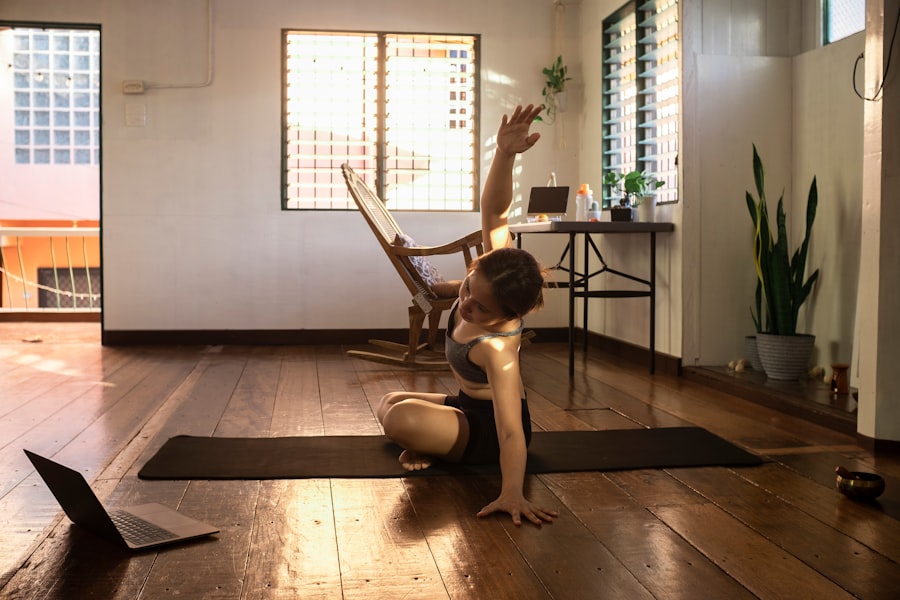
The environment in which you practice yoga plays a crucial role in shaping your experience. In a hot yoga studio in Frisco, the elevated temperature creates an atmosphere that is both invigorating and challenging. The heat not only warms your muscles but also encourages deeper breathing, which can enhance your overall practice.
You may find that the combination of heat and humidity allows for a more profound connection between your body and mind, as you learn to navigate the challenges presented by the environment. In contrast, non-heated studios offer a different ambiance that may appeal to those who prefer a more traditional approach to yoga. The cooler temperatures allow for a different kind of focus, where you can concentrate on alignment and technique without the added intensity of heat.
This environment may be more suitable for beginners or those who are sensitive to high temperatures. Ultimately, the choice between a hot yoga studio and a non-heated one depends on your personal preferences and goals for your practice.
Physical Demands: Hot Yoga Studio Frisco Tx vs Non-heated Studio
When it comes to physical demands, hot yoga presents unique challenges that can push your limits in ways that non-heated studios may not. The heat intensifies every movement, requiring greater effort and concentration as you flow through poses. You may find that your heart rate increases more rapidly in a hot yoga class, leading to a more vigorous workout that can improve cardiovascular fitness over time.
The combination of heat and movement can also lead to increased calorie burn, making hot yoga an effective option for those looking to lose weight or maintain their fitness levels. On the other hand, non-heated studios provide an opportunity for slower-paced practice, allowing you to focus on mastering each pose without the added pressure of heat. This environment can be particularly beneficial for those recovering from injuries or looking to build strength gradually.
The absence of heat allows for more extended holds in poses, giving you time to explore alignment and technique deeply. Ultimately, both environments offer valuable physical benefits; it just depends on what kind of challenge you are seeking.
Mental and Emotional Benefits: Hot Yoga Studio Frisco Tx vs Non-heated Studio
The mental and emotional benefits of practicing yoga are well-documented, but they can manifest differently depending on whether you choose a hot yoga studio or a non-heated one. In a hot yoga class in Frisco, the combination of heat and movement often leads to heightened emotional release. As you sweat through challenging poses, you may find yourself confronting mental barriers and emotional blockages that have been holding you back.
This cathartic experience can lead to feelings of liberation and empowerment as you push through discomfort. Conversely, non-heated studios may provide a more introspective experience where you can delve into your thoughts without the distraction of heat-induced intensity. This setting allows for deeper reflection and mindfulness as you connect with your breath and body at a more measured pace.
Many practitioners find that this environment fosters a sense of calm and clarity, making it easier to process emotions and cultivate self-awareness. Both settings offer valuable mental health benefits; it ultimately comes down to what resonates with you personally.
Safety Considerations: Hot Yoga Studio Frisco Tx vs Non-heated Studio

Safety is paramount when engaging in any form of physical activity, especially in environments that present unique challenges like hot yoga studios. In Frisco’s hot yoga classes, the elevated temperatures can pose risks if not approached mindfully. It’s essential to listen to your body and recognize when you need to take breaks or modify poses.
Staying hydrated before, during, and after class is crucial to prevent overheating or dehydration. Instructors are trained to guide you through safe practices, but being aware of your limits is equally important. In contrast, non-heated studios may present fewer immediate risks related to temperature but still require attention to safety and alignment.
Practicing in cooler conditions allows for more extended holds in poses without the urgency created by heat; however, it’s still vital to maintain proper form to avoid injuries. Regardless of the environment you choose, prioritizing safety should always be at the forefront of your practice.
Hydration and Nutrition: Hot Yoga Studio Frisco Tx vs Non-heated Studio
Hydration plays an essential role in any yoga practice, but it becomes even more critical when participating in hot yoga classes in Frisco. The high temperatures lead to increased sweating, which means you need to replenish lost fluids regularly. It’s advisable to drink water before class begins and continue hydrating throughout the day leading up to your session.
Some practitioners also find it beneficial to consume electrolyte-rich beverages post-class to restore balance in their bodies. In non-heated studios, while hydration remains important, the urgency is somewhat lessened due to cooler temperatures. You may not sweat as profusely during these sessions; however, maintaining proper hydration is still vital for optimal performance and recovery.
Nutrition also plays a role in how well you perform in both environments; consuming light meals or snacks rich in carbohydrates and proteins before class can provide the energy needed for an effective practice.
Suitable for Different Fitness Levels: Hot Yoga Studio Frisco Tx vs Non-heated Studio
One of the appealing aspects of yoga is its adaptability for various fitness levels, but this adaptability can manifest differently between hot yoga studios and non-heated ones. Hot yoga classes often attract individuals looking for an intense workout; however, they can also be modified for beginners or those with limited experience. Instructors typically offer variations for poses based on individual capabilities, ensuring everyone feels included regardless of their fitness level.
Non-heated studios may provide an easier entry point for beginners who are still learning the fundamentals of yoga without the added challenge of heat. The slower pace allows newcomers to familiarize themselves with basic postures and breathing techniques before diving into more intense practices. Ultimately, both environments cater to diverse fitness levels; it just depends on what kind of challenge you are ready to embrace.
Community and Social Aspects: Hot Yoga Studio Frisco Tx vs Non-heated Studio
The community aspect of any yoga studio can significantly enhance your experience, providing support and camaraderie among practitioners. In hot yoga studios like those found in Frisco, there’s often a palpable energy created by shared challenges faced during class. The collective experience of sweating together can foster connections among participants as they encourage one another through difficult poses or share stories after class.
Non-heated studios also cultivate community but may do so in different ways. The slower pace allows for more interaction among students during class breaks or after sessions as they discuss their experiences or seek advice from instructors. Both environments offer opportunities for social engagement; it just depends on whether you prefer the high-energy atmosphere of hot yoga or the more relaxed vibe found in non-heated settings.
Cost and Accessibility: Hot Yoga Studio Frisco Tx vs Non-heated Studio
When considering where to practice yoga, cost and accessibility are important factors that can influence your decision-making process. Hot yoga studios in Frisco may have higher membership fees due to the specialized facilities required for heating and maintaining temperature control during classes. However, many studios offer introductory packages or discounts for new members that make it easier to try out hot yoga without committing long-term.
On the other hand, non-heated studios might present more budget-friendly options with lower membership costs or drop-in rates. Accessibility also varies; while some hot yoga studios may have limited class schedules due to their specialized nature, non-heated studios often provide a wider range of class times catering to different schedules. Ultimately, evaluating both cost and accessibility will help you determine which type of studio aligns best with your lifestyle.
Choosing the Right Yoga Studio for You
In conclusion, selecting the right yoga studio—whether it be a hot yoga studio in Frisco or a non-heated one—depends on various factors including personal preferences, fitness levels, and desired outcomes from your practice. Each environment offers unique benefits that cater to different needs; thus understanding what resonates with you will enhance your overall experience. As you embark on this journey toward improved physical health and mental well-being through yoga, take time to explore both options before making a decision.
Attend trial classes at different studios if possible; this will allow you to gauge how each environment feels while providing insight into what aligns best with your goals. Ultimately, whether you choose the invigorating heat of hot yoga or the calming atmosphere of a non-heated studio, remember that the most important aspect is finding joy in your practice and nurturing your connection with yourself.
When considering the benefits of a hot yoga studio in Frisco, TX, versus a non-heated studio, it’s essential to explore various perspectives on yoga practices. For instance, you might find valuable insights in the article about yoga studios in Grand Prairie, Texas, which discusses different styles and environments that can enhance your yoga experience. You can read more about it here: Yoga Studio Near Me – Grand Prairie, Texas. This comparison can help you make an informed decision based on your personal preferences and fitness goals.
FAQs
What is the difference between a hot yoga studio and a non-heated studio?
A hot yoga studio is heated to a higher temperature, usually around 95-105 degrees Fahrenheit, while a non-heated studio is kept at room temperature.
What are the benefits of practicing yoga in a hot studio?
Practicing yoga in a hot studio can help increase flexibility, improve circulation, promote detoxification through sweating, and provide a more intense workout.
Are there any risks associated with practicing yoga in a hot studio?
Practicing yoga in a hot studio can lead to dehydration and overheating if proper precautions are not taken. It is important to stay hydrated and listen to your body’s limits.
What are the benefits of practicing yoga in a non-heated studio?
Practicing yoga in a non-heated studio allows for a more gentle and relaxed practice, and may be more suitable for beginners or those with certain medical conditions.
Can I switch between hot yoga and non-heated yoga classes?
Yes, many yoga studios offer both hot and non-heated classes, allowing practitioners to choose based on their preferences and needs.
Which type of yoga studio is better for beginners?
For beginners, a non-heated studio may be more suitable as it allows for a gentler introduction to yoga practice without the added intensity of heat.