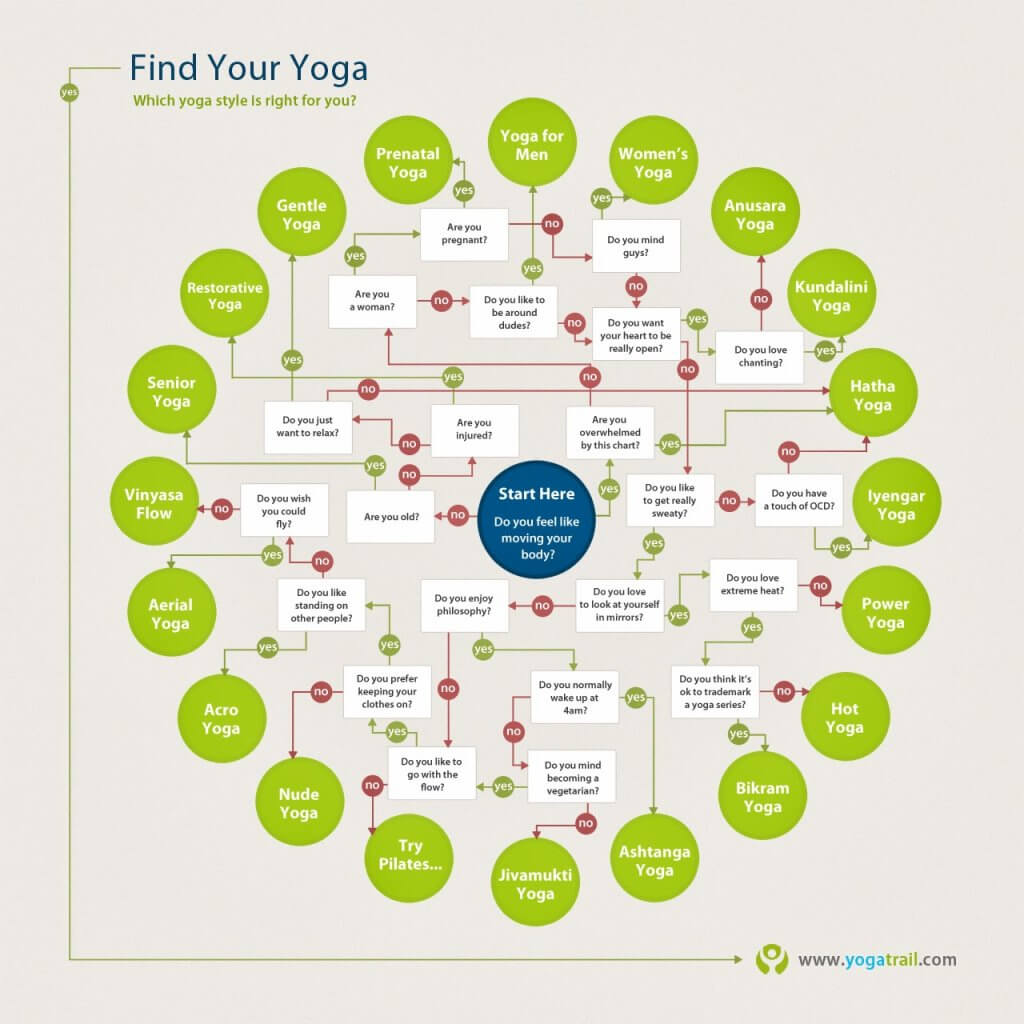
Are you feeling overwhelmed by the vast array of yoga styles out there? Choosing the right yoga style for yourself can be a daunting task, but fret not, for this article will guide you through the process step by step. By understanding your goals, preferences, and physical abilities, you will be able to find the perfect yoga style that aligns with your unique needs. Whether you seek relaxation, flexibility, strength, or spiritual connection, this article has got you covered. So, let’s delve into the world of yoga and find the style that suits you best.
Consider Your Goals
When choosing a yoga style, it’s important to consider your goals. Yoga offers benefits for physical fitness, mental health, and spiritual growth. By identifying your main objectives, you can select a style that aligns with what you hope to achieve.
Physical Fitness
If your goal is to improve your physical fitness, there are various yoga styles that can help you achieve this. Power Yoga and Ashtanga Yoga are more dynamic and physically demanding practices that focus on building strength, flexibility, and stamina. These styles involve flowing sequences of poses and often incorporate challenging transitions. Vinyasa Yoga is another style that can enhance your fitness level, as it combines breath with movement in a continuous flow.
Mental Health
Yoga is renowned for its positive impact on mental health. If you’re looking to reduce stress, improve focus, and enhance overall well-being, consider styles like Restorative Yoga and Yin Yoga. These practices emphasize relaxation, mindfulness, and deep stretching, allowing you to find stillness and release tension. Hatha Yoga, which incorporates gentle movements and breathing exercises, can also promote a calm and peaceful state of mind.
Spiritual Growth
For those seeking spiritual growth and a deeper connection with themselves, Kundalini Yoga and Sivananda Yoga could be excellent choices. Kundalini Yoga focuses on awakening the dormant energy within, leading to spiritual enlightenment. Sivananda Yoga, on the other hand, integrates physical postures, breathing exercises, meditation, and positive thinking to cultivate inner peace and self-realization.
Assess Your Fitness Level
Before selecting a yoga style, it is crucial to assess your fitness level. This will help you choose a practice that aligns with your current capabilities and allows for gradual progression.
Beginner
If you are new to yoga or have limited experience, it is advisable to start with beginner-friendly styles like Hatha Yoga or Restorative Yoga. These styles provide a solid foundation and focus on proper alignment, making them accessible to all fitness levels. Gentle and relaxing, they allow beginners to develop the necessary strength, flexibility, and body awareness without overwhelming physical demands.
Intermediate
For those with some yoga experience and a moderate fitness level, Vinyasa Yoga and Iyengar Yoga can be great options. Vinyasa Yoga offers a more dynamic flow, allowing you to refine your practice and explore more challenging postures. Iyengar Yoga, on the other hand, emphasizes precise alignment and the use of props, providing an opportunity to deepen your understanding of each pose and improve balance and flexibility.
Advanced
If you have a high level of fitness and a strong yoga foundation, you may be ready for more vigorous and demanding practices such as Ashtanga Yoga, Power Yoga, or Bikram Yoga. These styles require a certain level of strength, flexibility, and stamina, so it’s essential to have a solid base before attempting them. Advanced practitioners often appreciate the physical and mental challenge these styles offer, as they push boundaries and promote growth.
Understand the Different Yoga Styles
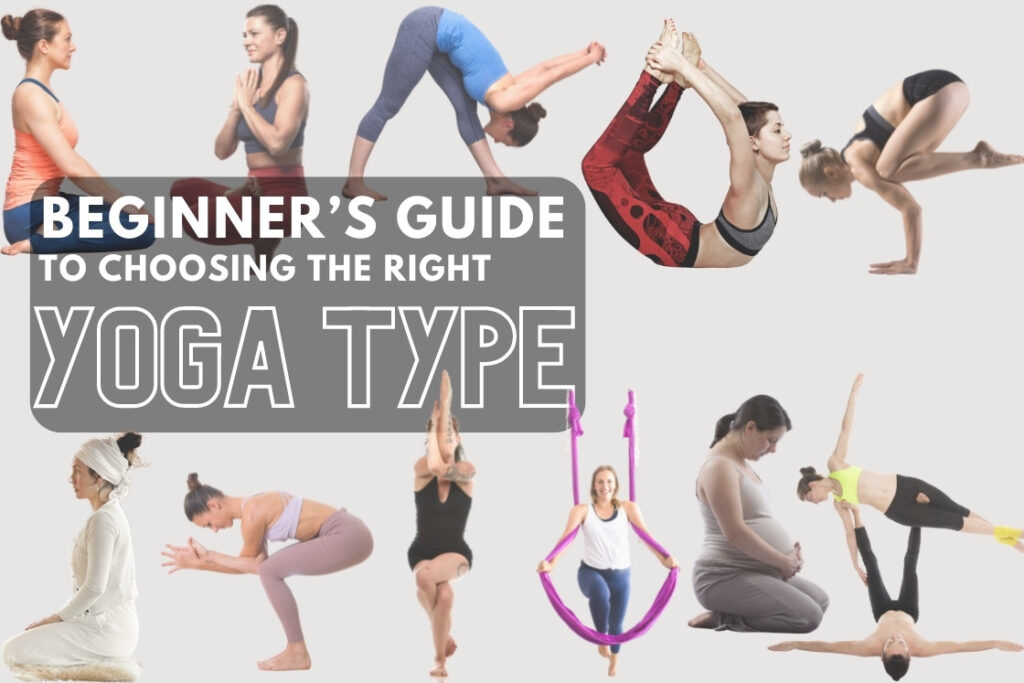
With numerous yoga styles available, understanding the differences between each can help you make an informed decision. Here are some popular styles to consider:
Hatha Yoga
Hatha Yoga is a foundational practice that focuses on physical postures (asanas) and breath control (pranayama). It is a gentle and accessible style suitable for beginners.
Vinyasa Yoga
Vinyasa Yoga synchronizes breath with movement, creating a flowing and dynamic practice. It offers a range of intensity levels and flexibility in sequencing, making it suitable for various fitness levels.
Ashtanga Yoga
Ashtanga Yoga is a physically demanding and structured style that follows a specific set sequence of poses. It aims to build strength, flexibility, and mental focus through challenging vinyasa flows.
Bikram Yoga
Bikram Yoga, also known as hot yoga, is practiced in a heated room with a specific sequence of 26 poses. The heat helps increase flexibility and release toxins, while the sequence targets the whole body.
Kundalini Yoga
Kundalini Yoga combines physical postures, breathwork, chanting, and meditation to awaken the dormant spiritual energy within. It focuses on increasing awareness, balancing energy, and promoting spiritual growth.
Iyengar Yoga
Iyengar Yoga emphasizes precision and alignment in each pose, often utilizing props to support and enhance the practice. It is suitable for all levels and is particularly effective for improving posture and relieving chronic pain.
Restorative Yoga
Restorative Yoga is a deeply relaxing and calming practice that uses props to support the body in comfortable poses. It promotes healing and rejuvenation by releasing tension and restoring balance.
Yin Yoga
Yin Yoga targets the deep connective tissues of the body, allowing for long-held passive stretches. It cultivates patience, flexibility, and mindfulness while promoting relaxation and releasing energetic blockages.
Power Yoga
Power Yoga is a dynamic and challenging style that combines strength, flexibility, and cardiovascular fitness. It is a physically intense practice that can help build muscle tone and improve overall athletic performance.
Sivananda Yoga
Sivananda Yoga incorporates a balanced approach to physical postures, breathing exercises, relaxation, and meditation. It aims to harmonize the body, mind, and spirit, promoting self-realization and inner peace.
Consider the Level of Physical Demands
Yoga styles vary in their physical demands, so it’s important to choose a style that matches your desired level of intensity.
Gentle and Relaxing
If you prefer a more gentle and relaxing yoga practice, styles such as Restorative Yoga, Yin Yoga, and Hatha Yoga may be best suited for you. These styles focus on slow-paced movements, deep stretching, and calming the mind. They provide an opportunity to unwind, release tension, and promote a sense of tranquility.
Moderate Intensity
For those seeking a moderate intensity practice, Vinyasa Yoga and Iyengar Yoga offer a balanced approach. Vinyasa Yoga provides rhythmic flows that require focus and stamina, while Iyengar Yoga’s precision and use of props can challenge your strength and flexibility. These styles strike a middle ground between relaxation and physical exertion.
Intense and Challenging
If you crave a more intense and physically challenging experience, Ashtanga Yoga, Power Yoga, and Bikram Yoga may be the styles for you. These practices require a higher level of fitness and offer vigorous sequences that build strength, endurance, and mental fortitude. They can be transformative for those looking to push their limits and break through barriers.
Determine Your Preferred Class Format
Yoga classes are offered in various formats, including group classes, private classes, and even online classes. Assessing your preferences will help you choose the format that suits you best.
Group Classes
Group classes provide a sense of community, support, and motivation. They offer the opportunity to connect with like-minded individuals and benefit from the collective energy of the group. Group classes also provide guidance from an instructor and the chance to learn from others’ experiences.
Private Classes
Private classes offer personalized attention and cater to your specific needs and goals. They allow for one-on-one instruction and can be tailored to focus on certain areas or address individual concerns. Private classes provide a more intimate setting and enable you to deepen your practice at your own pace.
Online Classes
In recent times, online yoga classes have gained popularity and accessibility. They provide the convenience of practicing from home or anywhere with an internet connection. Online classes offer a wide range of styles and instructors to choose from, allowing you to explore different practices at your own convenience.
Find a Qualified Instructor
A qualified and experienced instructor can greatly contribute to your yoga journey. When selecting an instructor, consider the following factors:
Experience and Certification
Look for instructors who have undergone certified yoga teacher training programs and have relevant experience. Experienced instructors will have a solid foundation in yoga principles and techniques, enabling them to guide you safely through your practice.
Teaching Style
Different instructors have unique teaching styles, so it’s essential to find one whose approach resonates with you. Some instructors may prioritize alignment and precision, while others may emphasize a more flowing and intuitive practice. Experiment with different instructors to find someone who inspires and supports your growth.
Personal Connection
Establishing a personal connection and feeling comfortable with your instructor is crucial to your yoga experience. Find an instructor who creates a safe and welcoming space, listens to your needs, and offers personalized guidance. A positive and supportive relationship can enhance your practice and deepen your connection to yoga.
Consider the Yoga Studio Environment
The yoga studio environment plays a significant role in your overall experience. Pay attention to the following factors when selecting a yoga studio:
Location and Accessibility
Choose a studio that is conveniently located and easily accessible to you. Consider factors such as distance, transportation options, and parking availability. A studio that is easily reachable will make it more likely for you to establish a consistent practice.
Atmosphere and Ambiance
The atmosphere and ambiance of a yoga studio can greatly impact your practice. Look for a studio that creates a peaceful and serene environment, allowing you to disconnect from the outside world and cultivate a deeper connection with yourself. Consider aspects such as natural lighting, cleanliness, and the overall energy of the space.
Crowd and Community
The people you practice with can contribute to your motivation and sense of community. Some studios attract diverse communities, fostering a supportive and inclusive atmosphere. Others may have a more focused or specific community. Find a studio that aligns with your values and provides an environment that resonates with you.
Explore Class Schedules and Availability
Class schedules and availability should be taken into consideration when selecting a yoga style and studio. Key factors to consider include:
Frequency of Classes
Ensure that the studio offers classes at a frequency that suits your schedule and desired level of commitment. Some studios offer classes multiple times a day, while others have more limited schedules. Think about how often you plan to practice and choose a studio that can accommodate your needs.
Timing and Duration
Consider the timing and duration of classes offered by the studio. Check if the schedule aligns with your availability and preferences. Some studios offer early morning or evening classes to cater to different lifestyles and work schedules. Additionally, consider the duration of classes to ensure they fit comfortably within your daily routine.
Flexibility in Scheduling
Life can be unpredictable, so it’s beneficial to select a studio that offers flexibility in scheduling. Look for studios that have options for drop-in classes, class packages, or monthly memberships. This allows you to adjust your practice according to your changing schedule and commitments.
Try Out Different Yoga Styles
To truly find the right yoga style for you, it’s essential to try out different styles and attend various classes. This will help you experience different teaching approaches and explore which styles resonate with your body, mind, and spirit.
Attend Trial Classes
Many studios offer trial classes or introductory packages for new students. Take advantage of these offerings to experience firsthand what each style has to offer. By attending trial classes, you can assess how your body responds to the practice, how engaged you feel during the class, and whether the style aligns with your goals and preferences.
Experience Different Instructors
Each instructor brings their unique teaching style and energy to the practice. Attend classes with different instructors to gain exposure to various teaching methods and perspectives. This will allow you to discover mentors who inspire you and guide you in your yoga journey.
Experiment with Various Styles
Don’t be afraid to experiment and explore different styles of yoga. Challenge yourself by trying both physically demanding styles and more relaxing practices. This will provide a well-rounded experience that helps you understand what truly resonates with you.
Listen to Your Intuition
Ultimately, when choosing the right yoga style, it is important to listen to your intuition and trust your instincts. Everyone has different preferences, needs, and motivations when it comes to yoga. By tuning in to your inner guidance, you can make a choice that aligns with your unique journey.
Personal Preference
Consider what you genuinely enjoy and find fulfilling. Pay attention to the styles, practices, and instructors that make you feel excited, inspired, and connected. Trusting your personal preferences will lead you to a yoga style that resonates with you on a deeper level.
Comfort and Connection
Yoga is a practice that involves vulnerability and introspection. It’s essential to choose a style and studio where you feel comfortable and supported. If a particular style or studio doesn’t resonate with you, don’t hesitate to explore other options until you find a place where you can fully immerse yourself in your practice.
Choosing the right yoga style is a personal and unique process. By considering your goals, assessing your fitness level, understanding different yoga styles, and exploring various aspects of the yoga community, you can find a practice that enriches your life physically, mentally, and spiritually. Remember to listen to your intuition, trust your instincts, and embrace the journey of self-discovery that yoga offers.