Restorative yoga is a gentle, calming practice designed to promote relaxation and healing. As you step onto your mat, you may find that this form of yoga invites you to slow down and reconnect with your body and mind. Unlike more vigorous styles, restorative yoga focuses on passive stretching and deep relaxation, allowing you to release tension and stress.
This practice often incorporates props such as blankets, bolsters, and blocks to support your body in various poses, making it accessible for everyone, regardless of experience or flexibility. In a world that often feels fast-paced and overwhelming, restorative yoga serves as a sanctuary. It encourages you to take a break from the hustle and bustle of daily life, providing a space where you can simply be.
As you settle into each pose, you may discover a profound sense of peace and tranquility. This practice not only nurtures your physical body but also fosters emotional well-being, making it an essential component of a balanced lifestyle.
Key Takeaways
- Restorative yoga focuses on relaxation and deep stretching, using props to support the body in various poses.
- Benefits of restorative yoga include stress reduction, improved sleep, and enhanced flexibility and balance.
- At a restorative yoga studio, expect a calming and peaceful environment with dim lighting and soothing music.
- Finding the right studio is important for personalized attention, experienced instructors, and a variety of class options.
- Restorative yoga classes offered may include gentle flow, yin yoga, and meditation, catering to all levels of experience.
Benefits of Restorative Yoga
The benefits of restorative yoga extend far beyond the physical realm. As you engage in this practice, you may notice a significant reduction in stress levels. The gentle stretches and prolonged holds allow your body to release accumulated tension, promoting a sense of calm that can carry over into your daily life.
Additionally, restorative yoga encourages mindfulness, helping you cultivate a deeper awareness of your thoughts and feelings. This heightened state of consciousness can lead to improved emotional regulation and resilience. Moreover, restorative yoga can enhance your overall well-being by improving sleep quality.
Many practitioners report that the deep relaxation achieved during classes translates into better sleep patterns at night. As you learn to quiet your mind and relax your body, you may find it easier to drift off into a restful slumber. Furthermore, the practice can aid in recovery from injuries or chronic pain by promoting circulation and flexibility without the strain of more intense workouts.
What to Expect at a Restorative Yoga Studio
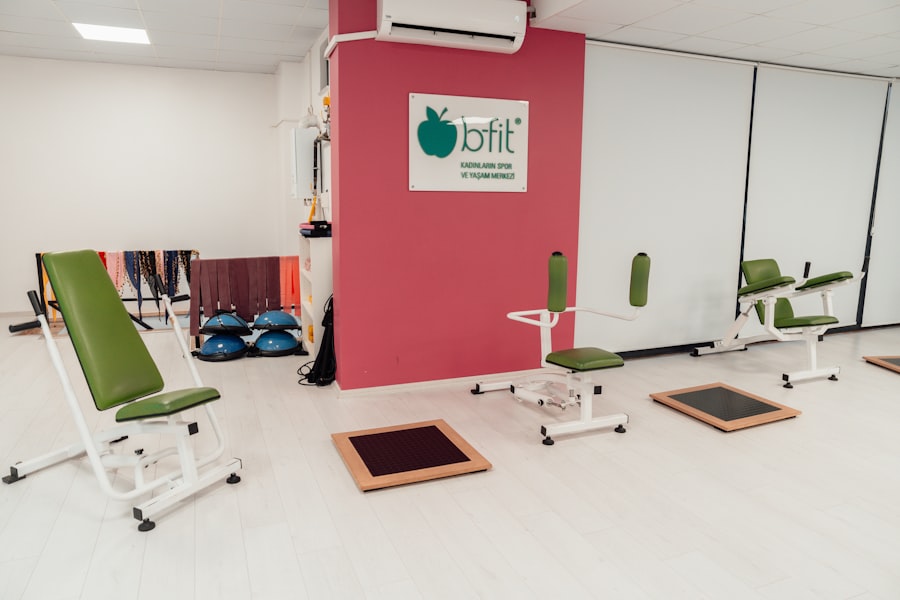
When you walk into a restorative yoga studio, you are likely to be greeted by a serene atmosphere designed to promote relaxation. Soft lighting, calming scents, and soothing music create an inviting environment that encourages you to leave your worries at the door. As you settle onto your mat, you may notice that the studio is equipped with various props to support your practice.
These tools are essential for helping you find comfort in each pose, allowing you to fully surrender to the experience. During a typical restorative yoga class, you can expect to hold poses for extended periods, often ranging from five to twenty minutes. Instructors will guide you through gentle transitions, encouraging you to focus on your breath and cultivate mindfulness.
You may also be invited to explore different variations of poses, ensuring that you find the most supportive options for your body. This emphasis on individual needs fosters a sense of safety and acceptance, allowing you to fully immerse yourself in the practice.
The Importance of Finding the Right Studio
Choosing the right restorative yoga studio is crucial for maximizing your experience. Each studio has its unique vibe and community, so it’s essential to find one that resonates with you. Consider factors such as location, class size, and the overall atmosphere when making your decision.
A studio that feels welcoming and supportive can significantly enhance your practice, making it easier for you to relax and let go. Additionally, the philosophy and approach of the studio can impact your experience. Some studios may emphasize a more traditional approach to restorative yoga, while others might incorporate elements from various styles or focus on specific themes such as mindfulness or self-compassion.
Take the time to explore different studios in your area, attend introductory classes, and connect with instructors to find the perfect fit for your needs.
Restorative Yoga Classes Offered
Restorative yoga classes come in various formats, catering to different preferences and needs. You might find classes specifically designed for beginners, where instructors provide detailed guidance on foundational poses and techniques. Alternatively, there may be advanced classes that explore deeper aspects of restorative practice, allowing seasoned practitioners to deepen their understanding and experience.
Some studios also offer themed classes that focus on specific intentions or goals. For instance, you might encounter sessions centered around stress relief, emotional healing, or even seasonal changes. These specialized classes can provide a unique opportunity for personal growth and exploration within the context of restorative yoga.
Regardless of the format, each class aims to create a nurturing environment where you can unwind and reconnect with yourself.
Experienced Instructors and Their Approach
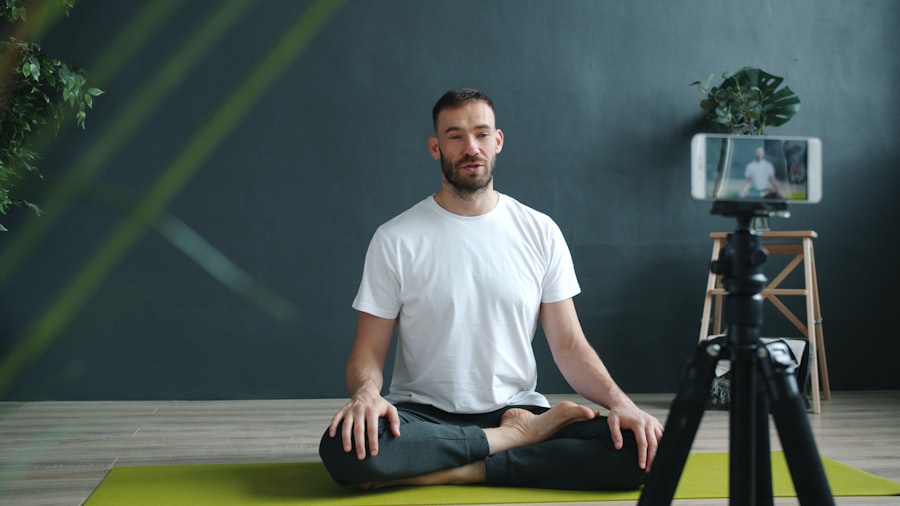
The quality of instruction plays a vital role in your restorative yoga experience. Experienced instructors bring a wealth of knowledge and understanding to their classes, guiding you through poses with care and attention. They often emphasize the importance of listening to your body and honoring its limits, encouraging you to cultivate self-awareness throughout your practice.
Instructors may also incorporate elements of mindfulness and meditation into their teachings, helping you develop a deeper connection between body and mind. Their approach can vary widely; some may focus on traditional techniques while others might blend different styles or philosophies. Regardless of their individual teaching methods, skilled instructors are dedicated to creating a safe space for exploration and healing.
Creating a Relaxing Environment
A relaxing environment is essential for restorative yoga practice. Studios often prioritize creating a calming atmosphere through thoughtful design choices such as soft colors, comfortable seating areas, and tranquil decor. The use of natural materials like wood and plants can further enhance the sense of peace within the space.
In addition to physical elements, studios may also incorporate sensory experiences such as aromatherapy or soothing music. These elements work together to create an immersive environment that encourages relaxation and introspection. As you enter this serene space, you may find it easier to let go of external distractions and focus on your inner experience.
Testimonials from Satisfied Clients
Hearing from satisfied clients can provide valuable insight into what you might expect from restorative yoga classes. Many practitioners share stories of transformation—how they discovered a newfound sense of calm or relief from chronic stress through their practice. Testimonials often highlight the supportive community within studios, emphasizing how connections with fellow practitioners can enhance the overall experience.
Clients frequently express gratitude for the guidance provided by instructors who create a safe space for exploration and healing. These personal accounts can inspire you to embark on your own restorative journey, reassuring you that others have found solace and growth through this gentle practice.
Pricing and Membership Options
When considering restorative yoga classes, it’s essential to explore pricing and membership options available at different studios. Many studios offer drop-in rates for single classes, allowing you to try out different sessions before committing long-term. Additionally, some studios provide package deals or class passes that offer discounts for purchasing multiple sessions at once.
Membership options may also be available for those who wish to attend classes regularly. These memberships often come with benefits such as unlimited access to classes or exclusive workshops. By understanding the pricing structure at various studios, you can make an informed decision that aligns with your budget and commitment level.
Special Events and Workshops
In addition to regular classes, many restorative yoga studios host special events and workshops designed to deepen your practice or explore specific themes. These events may include guest instructors who bring unique perspectives or specialized knowledge to the practice. Workshops often focus on topics such as mindfulness techniques, breathwork, or even integrating restorative yoga into daily life.
Participating in these events can enhance your understanding of restorative yoga while providing opportunities for connection with fellow practitioners. They create a sense of community that extends beyond regular classes, fostering relationships that support your journey toward relaxation and healing.
How to Get Started with Restorative Yoga
Getting started with restorative yoga is an exciting journey toward self-discovery and relaxation. Begin by researching local studios that offer restorative classes; many provide introductory sessions or trial passes for newcomers. This allows you to explore different environments and teaching styles before committing fully.
Once you’ve found a studio that resonates with you, consider attending a beginner class where instructors will guide you through foundational poses and techniques. Remember that restorative yoga is about honoring your body’s needs; there’s no rush or competition here. As you embark on this path, embrace the opportunity to slow down, breathe deeply, and cultivate a deeper connection with yourself through this nurturing practice.
At Restorative Yoga Studio in Frisco, TX, practitioners can experience the calming benefits of restorative yoga, which focuses on relaxation and healing. For those interested in building a supportive environment within their yoga practice, a related article titled Building a Supportive Yoga Community offers valuable insights on fostering connections and support among yoga enthusiasts. This resource can enhance your experience at Restorative Yoga Studio by encouraging a sense of community and shared growth.
FAQs
What is restorative yoga?
Restorative yoga is a form of yoga that focuses on relaxation and stress relief. It involves holding gentle poses for an extended period of time, typically using props such as blankets, bolsters, and blocks to support the body.
What are the benefits of restorative yoga?
Restorative yoga can help reduce stress, improve flexibility, promote relaxation, and enhance overall well-being. It can also help with insomnia, anxiety, and chronic pain.
What can I expect at a restorative yoga studio in Frisco, TX?
At a restorative yoga studio in Frisco, TX, you can expect a peaceful and calming environment, experienced instructors, and a variety of props to support your practice. Classes typically focus on gentle, relaxing poses and deep breathing exercises.
Is restorative yoga suitable for beginners?
Yes, restorative yoga is suitable for beginners as well as experienced practitioners. The gentle nature of the practice makes it accessible to people of all fitness levels and abilities.
How often should I practice restorative yoga?
It is recommended to practice restorative yoga at least once or twice a week to experience the full benefits. However, even practicing for a few minutes each day can have a positive impact on your well-being.