
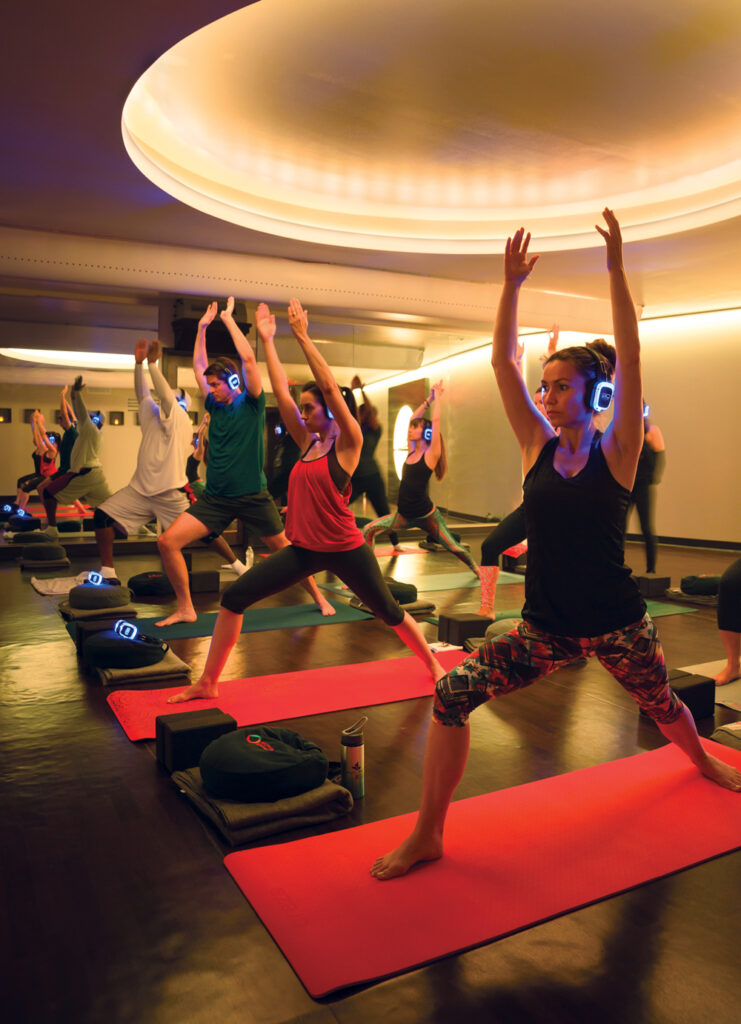
Looking to find a yoga studio in Atlanta, Georgia? Look no further! This article will guide you in discovering the perfect yoga studio near you. Whether you are a beginner or an advanced practitioner, you will find a variety of options to suit your needs and preferences in Atlanta. Get ready to embark on a yoga journey that will nourish your mind, body, and soul!
Benefits of Practicing Yoga
Improves flexibility and balance
Practicing yoga helps improve your flexibility and balance by stretching and strengthening your muscles. Regular yoga practice can gradually increase your range of motion, making everyday activities easier and reducing the risk of injuries caused by stiffness or imbalance.
Increases strength and muscle tone
Yoga is not just about stretching; it also helps build strength and muscle tone. Through various yoga poses and sequences, you can engage different muscle groups, working on both your major muscles and smaller stabilizing muscles. As you develop more strength, you’ll notice improved posture and overall body tone.
Promotes relaxation and stress relief
One of the most well-known benefits of yoga is its ability to promote relaxation and reduce stress. The combination of physical movement, breath control, and mindfulness helps calm the nervous system, lowering stress hormone levels and inducing a state of relaxation. Regular yoga practice can help you better manage daily stressors and improve your overall well-being.
Enhances mental focus and clarity
Yoga isn’t just a workout for the body; it’s also a practice for the mind. Through breath awareness and focused attention on the present moment, yoga cultivates mental focus and clarity. Regular practice can improve concentration, memory, and overall cognitive function, allowing you to approach tasks with greater efficiency and mindfulness.
Boosts cardiovascular health
While yoga may not be as high-intensity as cardiovascular exercises like running or cycling, it still offers benefits for your heart health. Certain styles of yoga, such as Vinyasa and Power Yoga, incorporate flowing movements and continuous sequences that increase your heart rate and improve cardiovascular fitness. By practicing yoga, you can support a healthy heart and maintain good cardiovascular health.
Supports weight loss and management
If weight loss or weight management is one of your goals, yoga can be a valuable tool in your journey. While yoga alone may not result in significant calorie burn, it can complement a balanced diet and other aerobic activities. Yoga can help build lean muscle mass, boost metabolism, and increase body awareness, which may contribute to weight loss and weight maintenance.
Improves posture and body alignment
Sitting for long hours and poor posture can lead to various musculoskeletal issues. Yoga can help correct postural imbalances and improve body alignment by strengthening the muscles that support proper posture. Through a combination of stretching and strengthening, yoga practice can realign your spine and improve your overall posture.
Increases energy levels and vitality
Contrary to the perception that yoga is only about relaxation, it can also boost your energy levels. Regular yoga practice enhances circulation, increases oxygen supply to the cells, and stimulates the nervous system, resulting in improved energy and vitality. By practicing yoga, you can experience a natural energy boost that can carry over into other areas of your life.
Stimulates detoxification and immune function
Certain yoga poses and practices can support the body’s natural detoxification processes. Twisting poses, for example, help wring out toxins from the internal organs, while inversions aid lymphatic drainage. Additionally, yoga’s emphasis on breath control and relaxation can help reduce oxidative stress and enhance immune function, promoting overall health and well-being.
Promotes better sleep and restfulness
If you struggle with sleep issues or insomnia, yoga can offer relief. The combination of physical movement, breathwork, and relaxation techniques can calm the mind and prepare the body for restful sleep. Incorporating a regular yoga practice, especially in the evening, can promote better sleep quality and help you wake up feeling refreshed and rejuvenated.
Types of Yoga Practices
Hatha Yoga
Hatha yoga is a gentle and foundational style of yoga that focuses on building strength, flexibility, and balance. It involves holding static poses for extended periods and emphasizes breath control and relaxation.
Vinyasa Yoga
Vinyasa yoga is a dynamic and fluid style of yoga that synchronizes movement with breath. It typically involves flowing through a sequence of poses in a creative and continuous manner, promoting cardiovascular fitness and flexibility.
Ashtanga Yoga
Ashtanga yoga is a physically demanding and structured style of yoga that follows a specific sequence of poses. It involves synchronized breath and movement, with each movement linked to a specific breath pattern.
Bikram Yoga
Bikram yoga, also known as hot yoga, is practiced in a room heated to around 105°F (40°C) with a high humidity level. It follows a set sequence of 26 poses and two breathing exercises, designed to promote flexibility and detoxification.
Iyengar Yoga
Iyengar yoga is a precise and alignment-focused style of yoga that uses props such as blocks, straps, and blankets to support proper alignment in each pose. It emphasizes holding poses for longer durations to develop strength and flexibility.
Kundalini Yoga
Kundalini yoga is a spiritually oriented style of yoga that combines dynamic movements, breathing exercises, chanting, and meditation. It aims to awaken Kundalini energy located at the base of the spine, promoting spiritual growth and self-awareness.
Restorative Yoga
Restorative yoga is a gentle and relaxing style of yoga that involves holding poses supported by props for extended periods. It promotes deep relaxation, stress relief, and rejuvenation of the body and mind.
Yin Yoga
Yin yoga is a slow-paced and meditative style of yoga that focuses on stretching and targeting the connective tissues, such as ligaments and tendons, through long-held passive poses. It enhances flexibility, joint mobility, and mindfulness.
Power Yoga
Power yoga is a fast-paced and challenging style of yoga that combines strength, flexibility, and cardiovascular exercise. It often incorporates elements from Vinyasa yoga and emphasizes building core strength and endurance.
Yoga for Beginners
Yoga for beginners classes provide a welcoming and accessible environment for individuals new to yoga. These classes focus on introducing foundational poses, alignment principles, and basic breathing techniques, making yoga accessible to all.
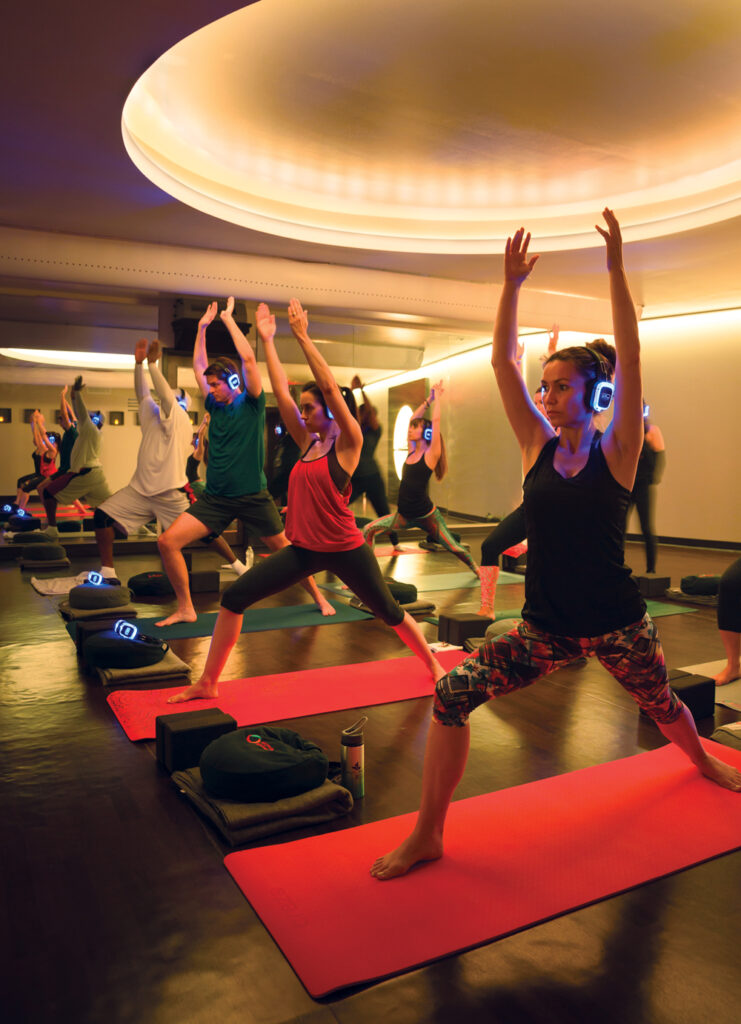
Choosing the Right Yoga Studio
Location and convenience
Consider the location of the yoga studio and how easily accessible it is for you. Choose a studio that is conveniently located and suits your daily routine, making it easier to incorporate regular yoga practice into your schedule.
Class schedule and availability
Check the class schedule of the yoga studio to ensure that they offer classes at times that align with your availability. It’s beneficial to choose a studio that provides a variety of class times throughout the week to accommodate different schedules.
Instructor credentials and experience
Research the credentials and experience of the yoga instructors at the studio. Look for instructors who have completed comprehensive training programs and have experience teaching a variety of yoga styles.
Studio atmosphere and cleanliness
Visit the yoga studio in person or explore their website to get an idea of the studio’s atmosphere and cleanliness. Choose a studio that has a welcoming and positive environment, where you feel comfortable practicing.
Variety of classes and levels
Consider your personal preferences and goals when choosing a yoga studio. Look for studios that offer a wide range of classes and levels, catering to beginners, intermediate practitioners, and advanced yogis. This ensures that you can progress and diversify your practice as you grow.
Size of class and personal attention
Take into account the size of the classes at the studio. Smaller class sizes often provide more individual attention from the instructor and create a more personalized experience. However, larger classes can offer a sense of community and energy.
Pricing options and membership plans
Compare the pricing options and membership plans of different yoga studios. Consider your budget and the frequency at which you plan to attend classes. Many studios offer discounted rates for multiple class packages or monthly memberships.
Community and student reviews
Research the studio’s community and read online reviews or testimonials from current and previous students. Positive reviews and a strong sense of community can indicate a supportive and inspiring yoga environment.
Accessibility and facilities
Consider the accessibility and facilities provided by the yoga studio. Check if they offer parking, changing rooms, showers, and other amenities that are important to you. It’s also beneficial to choose a studio that meets any specific accessibility needs you may have.
COVID-19 safety measures
Given the current circumstances, it’s essential to prioritize studios that prioritize the health and safety of their students. Look for studios that have implemented rigorous cleaning protocols, social distancing measures, and provide options for virtual or outdoor classes.
Popular Yoga Studios in Atlanta
Studio 1
Location: Description:
Studio 2
Location: Description:
Studio 3
Location: Description:
Studio 4
Location: Description:
Studio 5
Location: Description:
Studio 6
Location: Description:
Studio 7
Location: Description:
Studio 8
Location: Description:
Studio 9
Location: Description:
Studio 10
Location: Description:
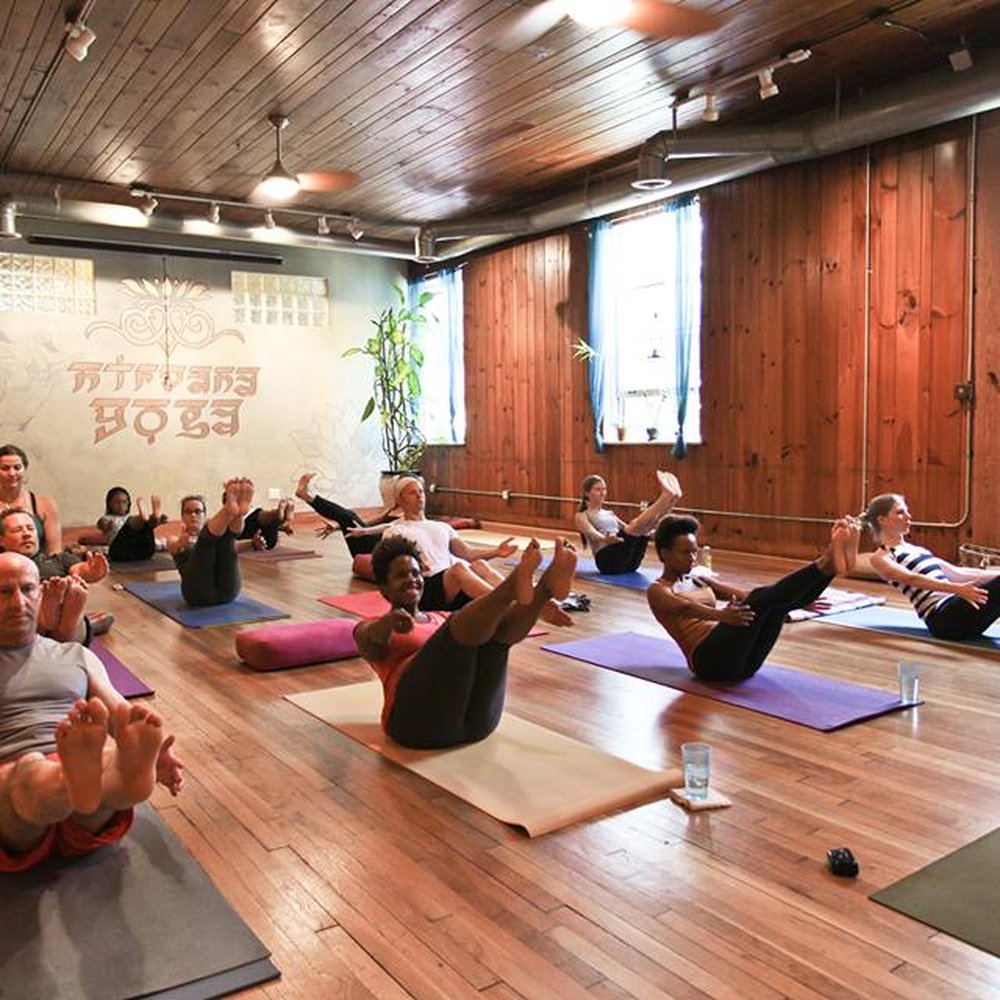
Tips for Finding Yoga Studios near Atlanta, Georgia
Search online directories and platforms
Utilize online directories and platforms dedicated to listing yoga studios in your area. These directories often provide comprehensive information and user reviews to help you narrow down your options.
Utilize yoga studio locator apps
Yoga studio locator apps can be a convenient tool for finding yoga studios near you. These apps provide detailed information on studio locations, class schedules, and often include user ratings and reviews.
Ask for recommendations from friends and colleagues
Reach out to friends, colleagues, or acquaintances who practice yoga for recommendations. Personal recommendations can provide valuable insights into the quality and atmosphere of different yoga studios.
Check local fitness centers and gyms
Many fitness centers and gyms offer yoga classes, either as part of their regular schedule or as specialized yoga programs. Explore the options available at your local fitness establishments to find a yoga class that suits your preferences.
Research and read online reviews
Research different yoga studios in Atlanta online and read reviews from current and previous students. Online reviews can offer insight into the overall experience, quality of instruction, and community environment of the studio.
Attend yoga festivals and workshops
Yoga festivals and workshops often attract a variety of yoga studios and teachers. Attend these events to experience a range of yoga styles and meet instructors who may be teaching at studios near you.
Visit the studios in person for a trial class
To get a firsthand experience of a yoga studio, visit them in person and attend a trial class. This allows you to assess the studio’s atmosphere, the instructor’s teaching style, and whether it aligns with your preferences and needs.
Join online yoga communities and forums
Participate in online yoga communities and forums where fellow yogis share recommendations and insights. These platforms can help you discover hidden gems and connect with like-minded practitioners.
Contact local yoga teacher associations
Local yoga teacher associations often maintain directories of yoga studios and teachers in the area. Reach out to them for recommendations and information on the best yoga studios in Atlanta.
Seek referrals from yoga instructors
If you have an existing relationship with a yoga instructor, ask them for recommendations on yoga studios near Atlanta. Instructors may have firsthand knowledge of the local yoga scene and can provide valuable insights.
What to Expect in a Yoga Class
Welcoming atmosphere and friendly community
Yoga classes generally have a welcoming and inclusive atmosphere, where people of all backgrounds and fitness levels come together to practice. The yoga community often fosters a sense of support and camaraderie, making it easier for newcomers to feel comfortable and included.
Guidance and instructions from the instructor
In a yoga class, the instructor will guide you through a series of poses and sequences. They will provide verbal cues, demonstrating proper alignment and offering modifications when necessary. It’s important to listen and follow their instructions to get the most out of your practice.
Warm-up exercises and stretches
Most yoga classes begin with warm-up exercises and stretches to prepare the body for the yoga practice ahead. These warm-up movements often target major muscle groups, increase circulation, and help loosen tight muscles.
Sequencing of yoga poses
The sequencing of yoga poses varies depending on the style of yoga and the focus of the class. In a typical class, you can expect a series of poses that flow logically from one to the next, gradually building strength, flexibility, and balance.
Breathing techniques and breath awareness
Breathing techniques, known as pranayama, are an integral part of yoga practice. In a yoga class, you’ll be guided to synchronize your breath with each movement, enhancing the mind-body connection and promoting a deeper sense of relaxation.
Mindfulness and meditation practices
Yoga often incorporates mindfulness and meditation practices to cultivate present-moment awareness and mental clarity. The instructor may guide you through guided meditations, breath awareness exercises, or moments of silence for introspection.
Cool-down and relaxation
At the end of a yoga class, there is typically a cool-down segment that involves gentle stretches and relaxation poses. This allows the body to cool down gradually and helps calm the nervous system before final relaxation (savasana).
Modifications and variations for different levels
Yoga classes are designed to accommodate individuals of different levels of experience and physical ability. Instructors often provide modifications and variations for poses to challenge more advanced students or make them accessible to beginners.
Emphasis on alignment and proper form
Yoga places a strong emphasis on alignment and proper form to ensure safety and maximum benefit. Instructors will guide you to align your body correctly in each pose, preventing strain or injury and allowing for optimal muscle engagement.
Opportunity for questions and individual assistance
In many yoga classes, there is an opportunity to ask questions or seek individual assistance from the instructor. Whether you need clarification on a pose or have a specific concern, don’t hesitate to reach out for guidance and support.
Yoga Etiquette and Guidelines
Arrive on time and be prepared
To respect the instructor and other students, arrive at the yoga class on time and be prepared. Come dressed in comfortable clothing, bring a yoga mat and any other personal props you may need for the class.
Respect personal space and others’ practice
Yoga is a personal practice, and it’s important to respect the personal space of others in the class. Allow space between mats and avoid stepping on or crossing over other students’ mats during the class.
Avoid strong scents and perfumes
To create a comfortable environment for everyone, refrain from wearing strong scents or perfumes to a yoga class. Strong scents can be distracting or cause discomfort for individuals with sensitivities.
Silence or turn off electronic devices
Before entering the yoga studio, ensure that your electronic devices are silenced or turned off. Avoid checking your phone or engaging with technology during the class, as it can disrupt your own practice and that of others around you.
Follow the instructor’s cues and instructions
Listen attentively to the instructor’s cues and instructions throughout the class. They provide guidance for proper alignment, safe transitions, and offer modifications when needed. Trust their expertise and follow their lead.
Listen to your body and practice self-care
Yoga is a personal practice, and it’s important to listen to your body’s needs and limitations. Honor any discomfort or pain by modifying poses or taking a rest when necessary. Practicing self-care is essential for a safe and enjoyable yoga experience.
Stay hydrated and bring water if needed
Hydration is important before, during, and after a yoga class. Remember to drink enough water to stay hydrated. Some studios provide water fountains, but it’s always a good idea to bring your own water bottle.
Clean and return any equipment used
If you use any props or equipment provided by the studio, such as blocks, straps, or blankets, make sure to clean and return them to their designated storage area after the class. Respecting and taking care of the studio’s equipment is part of good yoga etiquette.
Share feedback and gratitude with the instructor
After the class, if you had a positive experience, feel free to express your gratitude to the instructor. Sharing feedback not only helps them improve their teaching but also fosters a positive teacher-student relationship.
Maintain a peaceful and positive mindset
Yoga is not just a physical practice; it also cultivates a peaceful and positive mindset. Throughout the class, embrace a non-judgmental attitude, focusing on self-acceptance and gratitude. Contribute to a positive and supportive energy in the studio.
Frequently Asked Questions (FAQs)
How much does a yoga class typically cost?
The cost of a yoga class can vary depending on several factors, such as the location, type of studio, and level of instruction. On average, drop-in rates for a single yoga class range from $15 to $25, with discounted rates available for class packages or memberships.
What should I wear to a yoga class?
Wear comfortable, breathable clothing that allows you to move freely. Opt for stretchy fabrics that won’t restrict your movement. Most people wear leggings, shorts, or yoga pants along with a fitted top or t-shirt.
Do I need to bring my own yoga mat?
Some yoga studios provide mats for student use, while others require you to bring your own. It’s best to check with the studio beforehand or consider investing in your own yoga mat for hygiene purposes and personal comfort.
Can I practice yoga if I have an injury?
Depending on the severity of the injury and the recommendations of your healthcare provider, modifications or alternative poses can often be practiced. However, it’s essential to consult with a medical professional before participating in yoga if you have any concerns or injuries.
Is yoga suitable for all ages and fitness levels?
Yes, yoga is suitable for people of all ages and fitness levels. Many yoga classes offer modifications and variations to accommodate different levels of experience or physical abilities. If you’re new to yoga or have specific concerns, seek out beginner or gentle classes.
How often should I practice yoga?
The frequency of your yoga practice depends on your personal goals and lifestyle. Ideally, aim for at least two to three yoga sessions per week to experience its benefits. However, even practicing once a week can still bring about positive changes.
Can yoga help with weight loss?
While yoga alone may not directly lead to significant weight loss, it can contribute to weight management by increasing overall mindfulness, promoting strength and flexibility, and supporting a balanced approach to health and well-being. Combining yoga with a healthy diet and other forms of exercise can be beneficial for weight loss.
What is the best time of day to do yoga?
The best time of day to practice yoga depends on individual preferences and schedules. Some people prefer to start their day with a morning practice to energize and set a positive tone for the day. Others find an evening practice to be more relaxing and help promote better sleep. Choose a time that works best for you and your lifestyle.
Can I eat before a yoga class?
It’s generally recommended to avoid eating a large meal immediately before a yoga class, as it may cause discomfort or interfere with your practice. However, having a light snack or a small meal about one to two hours before class can provide you with the necessary energy for your practice.
What if I feel self-conscious or intimidated?
Feeling self-conscious or intimidated in a yoga class is common, especially for beginners. Remember that yoga is a personal practice, and everyone is on their own journey. Focus on your own experience and progress, and embrace the non-judgmental nature of yoga. Most yoga studios foster a supportive and inclusive environment, so don’t hesitate to reach out to the instructor or staff if you have any concerns or questions.
Conclusion
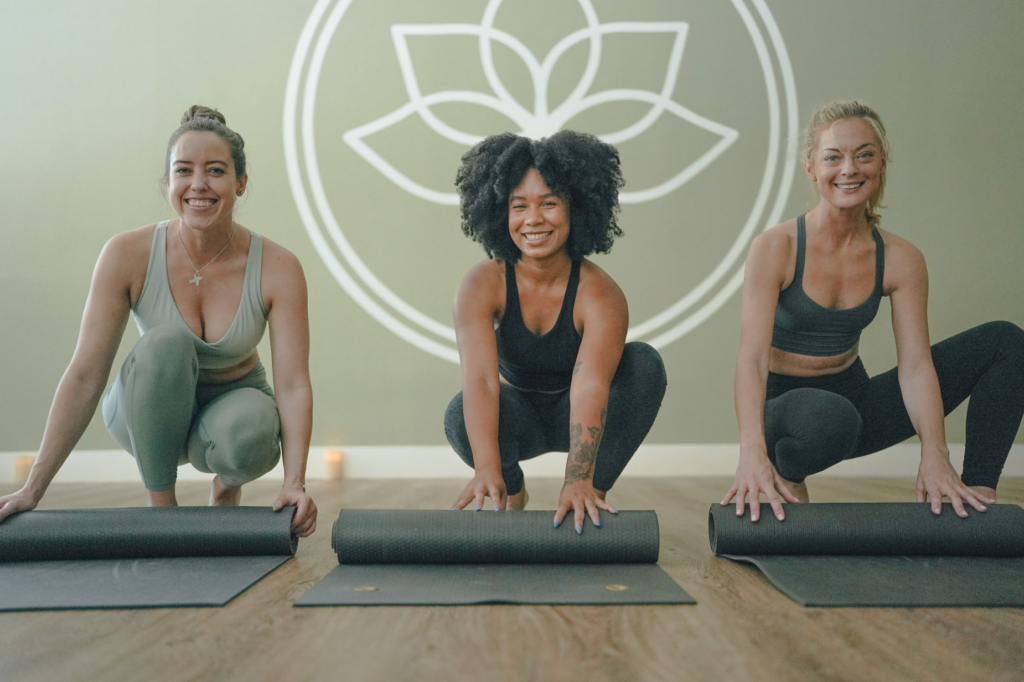
Practicing yoga offers numerous benefits for physical, mental, and emotional well-being. From improving flexibility and strength to promoting relaxation and stress relief, yoga has the potential to enhance various aspects of your life. By exploring different types of yoga practices and finding the right yoga studio in Atlanta, you can embark on a transformative journey that nurtures your mind, body, and spirit. Remember to approach yoga with an open mind, listen to your body’s needs, and embrace the sense of community that yoga cultivates. Whether you’re a novice or an experienced practitioner, the path of yoga has something to offer for everyone. So, get ready to roll out your mat and start your yoga journey in Atlanta, Georgia!