
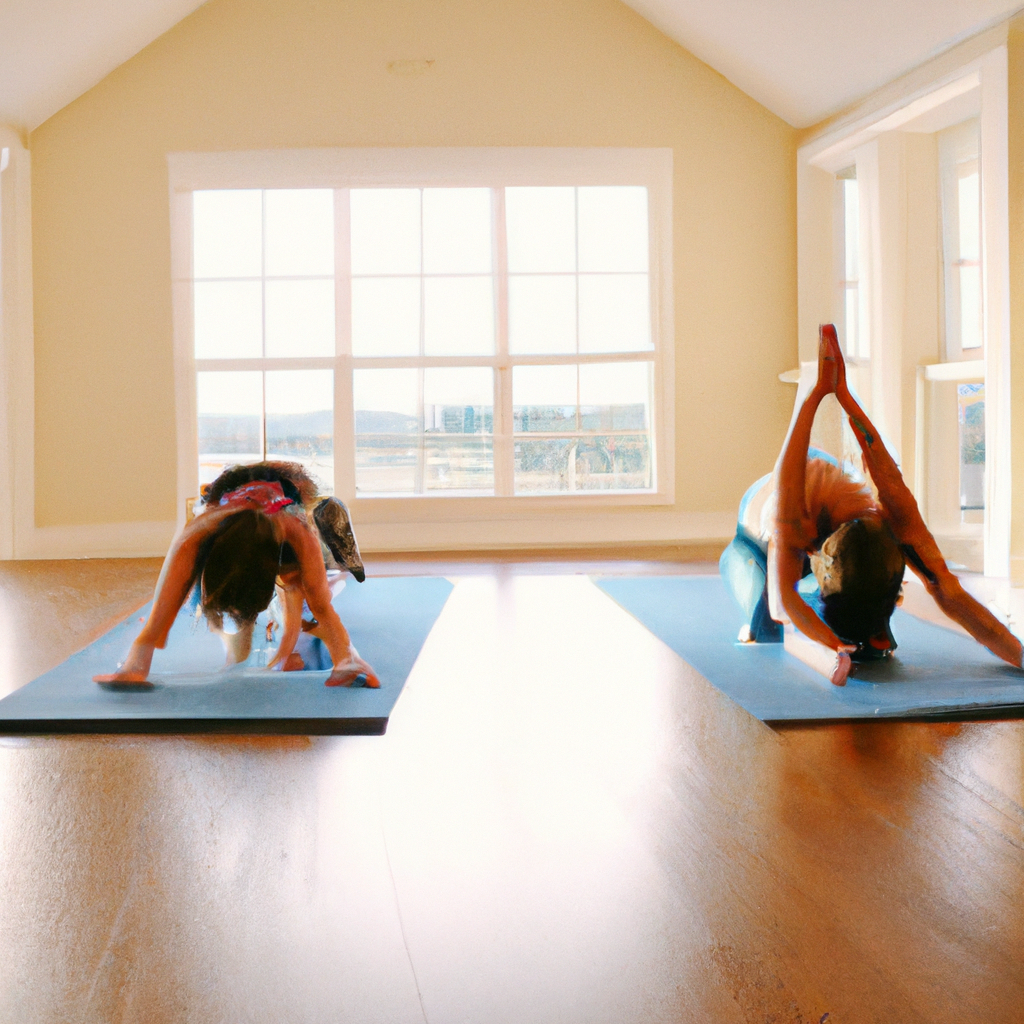
Finding a yoga studio near you in High Point, North Carolina has never been easier. Whether you’re a seasoned yogi or just starting out, this vibrant city has a variety of options to cater to all levels and preferences. From traditional studios offering diverse classes to unique outdoor spaces perfect for practicing in nature, High Point has something for everyone looking to deepen their yoga practice. So, grab your mat and get ready to discover the perfect yoga studio that suits your needs in High Point, North Carolina.
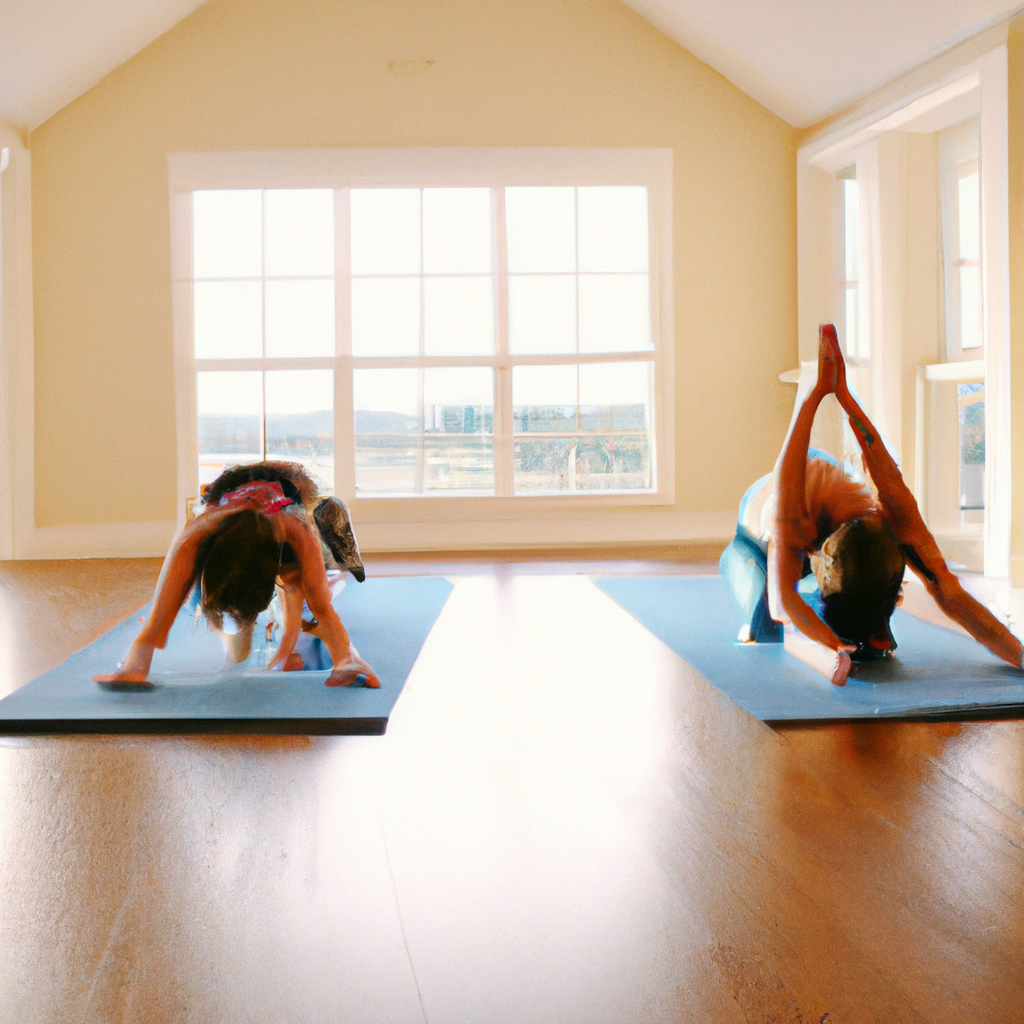
1. Types of Yoga Classes Available
Yoga offers a wide variety of classes to cater to different preferences and goals. Whether you are a beginner or an advanced practitioner, there is a yoga style that will suit you. Here are some of the most popular types of yoga classes available:
1.1 Hatha Yoga
Hatha yoga is a gentle and slow-paced style that focuses on basic postures, breath control, and meditation. It is a great option for beginners who want to build a strong foundation and improve flexibility and balance.
1.2 Vinyasa Yoga
Vinyasa yoga, also known as flow yoga, is a dynamic style that connects breath with movement. It involves transitioning smoothly between poses, creating a continuous flow of sequences. This type of yoga helps improve strength, flexibility, and cardiovascular health.
1.3 Ashtanga Yoga
Ashtanga yoga is a rigorous and structured style that follows a specific sequence of postures. It incorporates synchronized breathing and movement to create a strong and dynamic practice. It is suitable for individuals looking for a physically demanding and disciplined yoga practice.
1.4 Bikram Yoga
Bikram yoga, also known as hot yoga, is performed in a heated room with a temperature of around 105 degrees Fahrenheit. It consists of a series of 26 poses and two breathing exercises. The heat helps to warm up the muscles, increasing flexibility and detoxification.
1.5 Kundalini Yoga
Kundalini yoga focuses on awakening the dormant energy at the base of the spine through a combination of breathwork, chanting, and physical postures. It aims to promote spiritual growth, mental clarity, and physical vitality.
1.6 Restorative Yoga
Restorative yoga is a gentle and relaxing practice that uses props, such as bolsters and blankets, to support the body in passive stretches. It is designed to promote deep relaxation and restore the body’s natural balance. This type of yoga is beneficial for stress reduction and improving overall well-being.
1.7 Yin Yoga
Yin yoga involves holding passive poses for an extended period, typically ranging from two to five minutes. It targets the connective tissues and joints, improving flexibility and releasing tension. Yin yoga is a meditative practice that focuses on stillness and introspection.
1.8 Power Yoga
Power yoga is a vigorous and physically demanding style that combines strength, flexibility, and cardio exercises. It emphasizes flowing sequences and challenging poses, making it a popular choice for individuals looking for a more intense workout.
1.9 Prenatal Yoga
Prenatal yoga is specifically designed for pregnant women to help them strengthen their bodies, relieve discomfort, and prepare for childbirth. It focuses on gentle stretches, breath control, and relaxation techniques suitable for all stages of pregnancy.
1.10 Kids Yoga
Kids yoga is a playful and fun practice tailored for children. It combines yoga poses, breathing exercises, and games to help children develop strength, flexibility, focus, and emotional well-being.
2. Benefits of Practicing Yoga
Practicing yoga offers numerous benefits for both physical and mental health. Here are some of the benefits you can expect from a regular yoga practice:
2.1 Physical Health Benefits
Yoga improves flexibility, strength, and posture. It also enhances cardiovascular health, promotes weight management, and boosts metabolism. Regular practice can reduce the risk of chronic diseases such as heart disease, diabetes, and high blood pressure.
2.2 Mental Health Benefits
Yoga has a positive impact on mental health by reducing symptoms of anxiety, depression, and stress. It promotes relaxation, improves mood, and increases feelings of well-being. Yoga also helps to enhance self-awareness and cultivate a positive mindset.
2.3 Stress Reduction
Yoga combines physical movement, breathwork, and meditation techniques that activate the body’s relaxation response. This reduces the production of stress hormones and promotes a sense of calm and tranquility.
2.4 Flexibility and Balance
Regular yoga practice improves flexibility and range of motion, reducing the risk of injuries and promoting better posture. Yoga also enhances balance, coordination, and proprioception, which is the body’s awareness of its position in space.
2.5 Increased Strength
Yoga poses require muscle engagement and body resistance, which helps build strength and tone muscles. It particularly targets the core muscles, which are essential for maintaining stability and supporting the spine.
2.6 Improved Breathing
Yoga incorporates various breath control techniques, such as deep belly breathing and alternate nostril breathing. These techniques increase lung capacity, improve respiratory efficiency, and promote a calm and focused mind.
2.7 Better Sleep
Practicing yoga before bed can help improve the quality of your sleep. Yoga relaxes the nervous system, reduces anxiety, and prepares the body for deep restorative sleep.
2.8 Weight Management
Regular yoga practice can assist in weight management by increasing metabolism, supporting healthy digestion, and promoting mindful eating habits. It also helps to build lean muscle mass, which aids in burning calories.
2.9 Enhanced Focus and Concentration
The combination of physical movement, breathwork, and meditation in yoga helps improve focus and concentration. Yoga promotes mindfulness, reduces mental clutter, and enhances cognitive function.
2.10 Overall Well-being
Yoga is a holistic practice that nourishes the mind, body, and spirit. It fosters a sense of self-care, self-acceptance, and gratitude. Yoga also helps in developing resilience and adaptability, enabling individuals to navigate life’s challenges with greater ease.
3. Finding the Right Yoga Studio near High Point
Choosing the right yoga studio is crucial for creating a positive and fulfilling yoga experience. Here are some factors to consider when finding a yoga studio near High Point, North Carolina:
3.1 Location and Accessibility
Consider the proximity of the yoga studio to your home or workplace. Look for a studio that is easily accessible and convenient for you to attend regularly.
3.2 Studio Atmosphere
Pay attention to the ambiance and energy of the studio. It should be welcoming, clean, and aesthetically pleasing. Find a studio that aligns with your personal preferences and creates a comfortable space for your practice.
3.3 Class Schedule
Check the class schedule to ensure that it offers classes at times that suit your availability. Consider if the studio offers a variety of classes throughout the day to accommodate different schedules.
3.4 Experienced Instructors
The expertise and experience of the yoga instructors play a significant role in your learning and growth. Look for a studio that has skilled and certified instructors who create a safe and supportive environment.
3.5 Variety of Classes Offered
A good yoga studio offers a range of classes to cater to different levels, goals, and preferences. Check if the studio offers the specific yoga styles you are interested in trying.
3.6 Price and Membership Options
Consider your budget and the cost of yoga classes or membership packages offered by the studio. Look for studios that provide flexible membership options or class packages that suit your financial needs.
3.7 Studio Reviews and Recommendations
Read reviews or seek recommendations from friends or family who have attended yoga classes in the area. Their feedback can provide valuable insights into the quality and reputation of the yoga studio.
3.8 Facilities and Amenities
Take note of the facilities and amenities offered by the studio. This may include clean and spacious yoga rooms, changing rooms, showers, and equipment provided.
3.9 Yoga Studio Etiquette
Consider the studio’s etiquette policies, such as arriving on time, respecting others’ space, and adhering to any code of conduct. A well-maintained and organized studio environment promotes a positive yoga experience.
3.10 Trial Classes and Introductory Offers
Many yoga studios offer trial classes or introductory offers for new students. Take advantage of these opportunities to experience the studio firsthand and determine if it meets your needs and preferences.
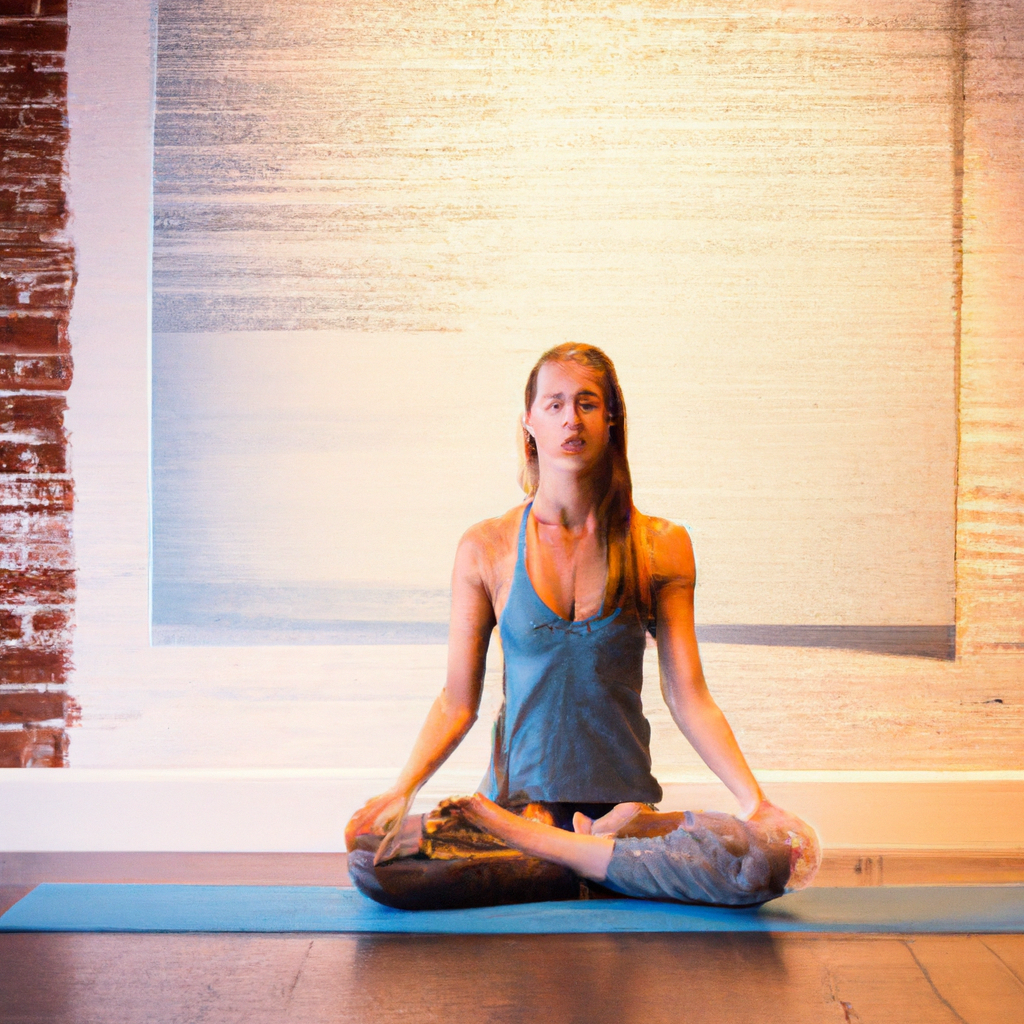
4. Top Yoga Studios near High Point, NC
High Point, North Carolina, is home to several excellent yoga studios. Here are some of the top studios in the area:
4.1 Studio A
Studio A offers a wide range of yoga classes, including Hatha, Vinyasa, and Restorative yoga. The studio boasts experienced instructors and a welcoming atmosphere. Their class schedule provides options for individuals of all skill levels.
4.2 Studio B
Studio B specializes in Ashtanga and Power yoga classes. Their instructors are highly trained and guide students through challenging yet rewarding sequences. The studio has a vibrant community and offers workshops for those looking to deepen their practice.
4.3 Studio C
Studio C focuses on Kundalini and Yin yoga classes. Their classes are designed to awaken the energy within and create a harmonious flow in the body and mind. The studio offers a serene and peaceful environment for practice.
4.4 Studio D
Studio D is known for its Bikram and Hot yoga classes. They provide a heated studio environment, which aids in deepening stretches and detoxification. The studio offers classes suitable for both beginners and experienced practitioners.
4.5 Studio E
Studio E offers a variety of yoga classes, including Prenatal and Kids yoga. Their instructors specialize in providing safe and nurturing practices for expectant mothers and children. The studio creates a supportive and inclusive environment for all.
4.6 Studio F
Studio F is renowned for its dynamic Vinyasa and Power yoga classes. Their skilled instructors guide students through challenging sequences while emphasizing proper alignment and breath control. The studio promotes a sense of empowerment and strength.
4.7 Studio G
Studio G focuses on Restorative and Yin yoga classes, providing gentle and nurturing practices. Their instructors prioritize relaxation and mindfulness, creating a serene and restorative experience for students.
4.8 Studio H
Studio H offers a variety of yoga classes, ranging from Hatha to Ashtanga. Their diverse class schedule accommodates individuals of all levels and interests. The studio emphasizes inclusivity and encourages self-exploration.
4.9 Studio I
Studio I specializes in Prenatal and Mommy & Me yoga classes. They provide a supportive and nurturing environment for expectant mothers and new moms. The studio’s classes focus on strengthening the body, reducing stress, and bonding with the baby.
4.10 Studio J
Studio J offers a comprehensive range of yoga classes, from gentle to vigorous styles. Their experienced instructors guide students with a focus on alignment and mindfulness. The studio promotes a sense of community and personal growth.
5. Tips for Choosing the Right Yoga Class
With the abundance of yoga classes available, it can be overwhelming to determine which one is right for you. Here are some tips to help you choose the right yoga class:
5.1 Determine Your Goals and Needs
Consider your goals and what you want to achieve from your yoga practice. Do you want to improve flexibility, reduce stress, or build strength? Identifying your objectives will guide you towards the appropriate class.
5.2 Consider Your Fitness Level
Take into account your current fitness level and any physical limitations. If you are new to yoga or have specific health concerns, consider starting with a beginner or gentle yoga class.
5.3 Check Class Level and Intensity
Pay attention to the class level and intensity indicated by the studio. Classes may be categorized as beginner, intermediate, or advanced. Choose a class that matches your skill level to avoid injury and frustration.
5.4 Look for Specialized Classes
If you have specific interests or needs, such as prenatal yoga or classes for seniors, look for studios that offer specialized classes. These classes are tailored to address specific concerns and provide a more targeted experience.
5.5 Inquire about Class Size
Consider the class size and the level of individual attention you prefer. Some people thrive in larger classes with a more energetic atmosphere, while others prefer smaller classes that allow for personalized attention and adjustments from the instructor.
5.6 Seek Recommendations
Ask for recommendations from friends, family, or fellow yogis who have similar interests or goals. Their firsthand experiences can help you find classes or studios that align with your preferences.
5.7 Visit the Studio in Person
Visit the prospective studios in person to get a feel for the space, ambiance, and energy. Attend any open houses or community events to interact with instructors and fellow yogis. Trust your instincts and choose a studio that resonates with you.
5.8 Attend Trial Classes
Take advantage of trial classes or introductory offers to experience different classes and instructors. This will give you a better sense of the teaching style, flow, and atmosphere of the classes.
5.9 Listen to Your Intuition
Pay attention to how you feel during and after attending a yoga class. Listen to your body and intuition when evaluating if the class is a good fit for you. Your overall comfort and enjoyment are essential for sustaining a regular practice.
5.10 Trust the Process
Keep in mind that finding the right yoga class may involve some trial and error. Be patient and open-minded as you explore different styles and studios. Trust that the right class will come along to support your journey.
6. How to Prepare for a Yoga Class
To make the most of your yoga class experience, it is essential to be adequately prepared. Here are some tips on how to prepare for a yoga class:
6.1 Dress Comfortably
Wear comfortable and breathable clothing that allows for unrestricted movement. Opt for clothing that is not too loose, as it may interfere with certain poses. Remember to dress in layers to adapt to changes in temperature during the class.
6.2 Bring a Water Bottle
Stay hydrated by bringing a water bottle to your yoga class. Sip water throughout the session as needed, especially if you are attending a heated or vigorous class.
6.3 Arrive Early
Arrive at the yoga studio a few minutes before the class starts. This allows you to set up your mat, get settled, and prepare yourself mentally and physically for the practice. Arriving early also shows respect for the instructor and other students.
6.4 Avoid Heavy Meals
Avoid eating a heavy meal at least two to three hours before your yoga class. If you need to eat before the class, opt for a light snack that is easy to digest, such as a piece of fruit or a small handful of nuts.
6.5 Inform the Instructor about Injuries or Limitations
Inform your yoga instructor about any injuries, physical limitations, or health conditions you may have. They can provide modifications or offer alternative poses to ensure your safety and comfort during the class.
6.6 Practice Basic Hygiene
Shower or freshen up before attending a yoga class to ensure basic hygiene. Avoid using strong perfumes or heavily scented products that may disturb others in close proximity.
6.7 Use the Bathroom Before Class
Use the bathroom before the class begins to prevent interruptions during the session. This allows you to fully immerse yourself in the practice without distractions.
6.8 Turn Off Your Phone
Silence or turn off your phone before entering the yoga studio. This encourages mindfulness and minimizes distractions for both yourself and others in the class.
6.9 Respect Others’ Space
When setting up your mat, be mindful of the space around you and the proximity to other students. Avoid stepping on others’ mats and maintain an appropriate distance from neighboring yogis.
6.10 Have an Open Mind and Heart
Approach your yoga class with an open mind and heart. Be receptive to the guidance of the instructor and be willing to explore new postures and experiences. Embrace the opportunity to connect with yourself and others in the class.
7. Frequently Asked Questions about Yoga
Yoga raises many questions for beginners and seasoned practitioners alike. Here are answers to some frequently asked questions about yoga:
7.1 What should I wear to a yoga class?
Wear comfortable and breathable clothing that allows you to move freely. Opt for fitted clothing that doesn’t interfere with poses. Avoid clothing with zippers or buttons that may dig into the skin during certain positions.
7.2 Do I need to bring my own mat?
It is recommended to have your own yoga mat for hygiene reasons. However, many studios provide mats for communal use. If you prefer using your own mat, make sure to clean and maintain it regularly.
7.3 What if I’m not flexible?
Flexibility is not a requirement to start practicing yoga. Yoga will gradually improve your flexibility over time. Honor your body’s abilities and focus on proper alignment and engagement rather than achieving extreme flexibility.
7.4 Can I do yoga if I have an injury or health condition?
Yoga can be beneficial for individuals with injuries or health conditions, but it’s important to consult with your healthcare provider and inform your yoga instructor about your specific situation. They can guide you on modifications or alternative poses that suit your needs.
7.5 How often should I practice yoga?
The frequency of your yoga practice depends on your personal schedule and goals. Ideally, aim for at least two to three sessions per week to experience the benefits of yoga. Consistency is key to progress in your practice.
7.6 Can children practice yoga?
Yes, children can practice yoga. Kids yoga classes are specially designed to suit their age and developmental stage. Practicing yoga at a young age can promote physical strength, flexibility, focus, and emotional well-being.
7.7 Is yoga suitable for pregnant women?
Yes, prenatal yoga is specifically designed for pregnant women. It helps alleviate common discomforts, strengthens the body for childbirth, and provides relaxation techniques. However, it’s important to consult with your healthcare provider and attend specialized prenatal classes.
7.8 Can men practice yoga?
Absolutely! Yoga is not limited to any gender. Men can benefit from yoga by improving flexibility, strength, focus, and overall well-being. Many studios now offer classes specifically catered to men’s needs.
7.9 Is yoga a religious practice?
Yoga originated from ancient spiritual traditions, but it is not inherently religious. Yoga is a holistic practice that encompasses physical postures, breathwork, meditation, and ethical principles. Yoga can be practiced by individuals of any religious or spiritual background.
7.10 Can yoga help with weight loss?
Yoga can be an effective tool for weight management when combined with a balanced diet and an active lifestyle. It boosts metabolism, builds lean muscle, and promotes mindfulness around eating habits. Regular practice can contribute to overall weight loss and maintenance.
8. The Importance of Regular Yoga Practice
Regular yoga practice offers numerous benefits for physical, mental, and spiritual well-being. Here are some reasons why maintaining a consistent yoga practice is crucial:
8.1 Consistency and Progress
Consistency in yoga practice allows for gradual progress and improvement. Regular practice helps build muscle memory, strength, flexibility, and focus. It allows you to deepen your poses, explore advanced variations, and progress in your yoga journey.
8.2 Building Mind-Body Connection
Yoga fosters the integration of mind and body. Regular practice enhances body awareness and helps you develop mindfulness in movement and breath. This mind-body connection promotes a sense of inner harmony and alignment.
8.3 Cultivating Self-Discipline
Committing to a regular yoga practice cultivates self-discipline and self-motivation. It requires dedication, consistency, and the ability to prioritize self-care. This discipline nurtures a sense of responsibility and personal growth.
8.4 Deepening Awareness
Through regular yoga practice, you become more attuned to your thoughts, emotions, and physical sensations. This heightened awareness extends beyond the yoga mat and allows you to navigate life with greater clarity, authenticity, and compassion.
8.5 Meeting Personal Goals
Consistent yoga practice enables you to set and achieve personal goals. Whether it’s mastering a challenging pose, finding inner peace, or improving overall health, regular practice supports your journey towards self-improvement and self-realization.
8.6 Nurturing Self-Care
Yoga provides a space for self-care and self-nurturing. Regular practice encourages self-reflection, self-compassion, and self-acceptance. It serves as a reminder to prioritize your well-being and create balance in your life.
8.7 Expanding Spiritual Growth
For those seeking spiritual growth, regular yoga practice can deepen their connection to their inner self and spiritual essence. The combination of physical movement, breathwork, and mindfulness enhances spiritual awareness and consciousness.
8.8 Embracing a Holistic Lifestyle
Yoga is not limited to the physical practice on the mat. Regular practice inspires you to adopt a holistic approach to life. It encourages healthy eating habits, mindfulness, conscious decision-making, and overall well-being.
8.9 Celebrating Life’s Journey
Yoga teaches us to embrace the present moment and appreciate life’s journey. Regular practice cultivates gratitude, joy, and a sense of celebration for the small wins and blessings in life. It encourages a positive outlook and resilience in the face of challenges.
8.10 Creating Balance and Harmony
Regular yoga practice helps create balance and harmony in all aspects of life. It fosters equilibrium between work and rest, strength and flexibility, effort and surrender. The integration of these elements promotes a well-rounded and fulfilling life.
9. Incorporating Yoga into Your Daily Routine
Apart from attending yoga classes, incorporating yoga into your daily routine can provide additional benefits. Here are some ways to integrate yoga into your daily life:
9.1 Morning Yoga Routine
Start your day with a short morning yoga routine to awaken your body, energize your mind, and set a positive tone for the day. Focus on gentle stretches, breathwork, and a moment of mindfulness or gratitude.
9.2 Yoga at Work
Take short breaks during your workday to practice desk yoga or simple stretching exercises. These brief moments of movement and mindfulness can help reduce stress, improve focus, and prevent stiffness from prolonged sitting.
9.3 Evening Yoga Routine
Wind down in the evening with a gentle yoga sequence to release tension, calm the mind, and prepare for a good night’s sleep. Focus on soothing stretches, relaxation techniques, and deep breathing.
9.4 Yoga for Stress Relief
Whenever you feel stressed or overwhelmed, practice yoga for stress relief. Engage in gentle postures, deep breathing, and restorative poses to activate the relaxation response and promote a sense of calm.
9.5 Yoga for Better Sleep
Incorporate yoga practices that promote better sleep. Wind down your evening with restorative poses, gentle stretches, and bedtime rituals that relax the body and quiet the mind. Avoid stimulating poses or activities close to bedtime.
9.6 Yoga for Posture Improvement
Improve your posture by incorporating yoga poses that target the muscles responsible for maintaining proper alignment. Practice poses that strengthen the core, open the chest, and align the spine.
9.7 Yoga for Strength Training
Use yoga as a strength training tool by incorporating poses that build muscular endurance and stability. Engage in dynamic sequences, balance poses, and challenging poses that utilize body weight resistance.
9.8 Yoga for Flexibility
Enhance your flexibility by regularly practicing yoga poses that lengthen and stretch the muscles. Focus on both active and passive stretching techniques, targeting different muscle groups throughout the body.
9.9 Yoga for Relaxation
Create moments of relaxation throughout the day by practicing relaxation techniques such as deep breathing, meditation, or mindful movement. Use these moments to release tension, restore focus, and cultivate a sense of peace.
9.10 Yoga for Mindful Meditation
Incorporate brief periods of mindful meditation into your daily routine. Set aside a few minutes to sit quietly, focus on your breath, and observe your thoughts without judgment. This practice enhances mindfulness and cultivates present-moment awareness.
10. Conclusion
Yoga is a versatile and transformative practice that offers numerous benefits for physical, mental, and spiritual well-being. By exploring different yoga classes and finding the right yoga studio near High Point, North Carolina, you can embark on a journey of self-discovery and personal growth. Through consistent practice, you can cultivate a more balanced, harmonious, and fulfilling life. Reflect on the benefits of yoga, find a studio that resonates with you, and embrace the opportunity to live a more vibrant and mindful life.