
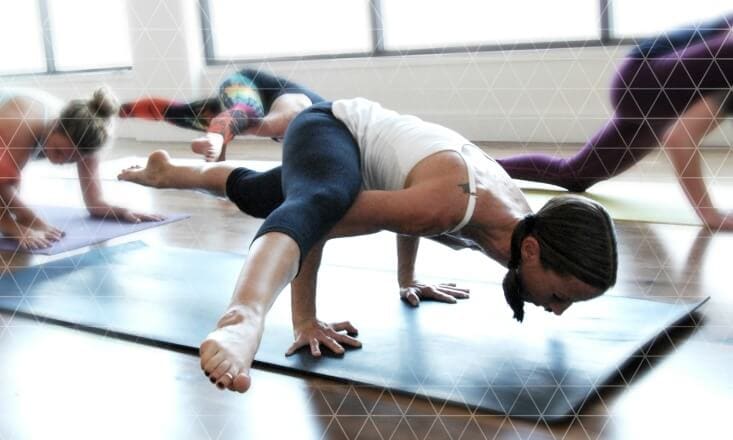
Looking for a yoga studio in San Francisco, California? Look no further! Whether you’re a beginner or an experienced yogi, our yoga studio in the heart of San Francisco is the perfect place for you. Offering a wide range of classes, from Vinyasa to Hatha, our friendly and experienced instructors are dedicated to helping you find balance, strength, and inner peace. Join us on the mat and discover the transformative power of yoga that will leave you feeling rejuvenated and inspired. Find your zen at our yoga studio near you in San Francisco, California.
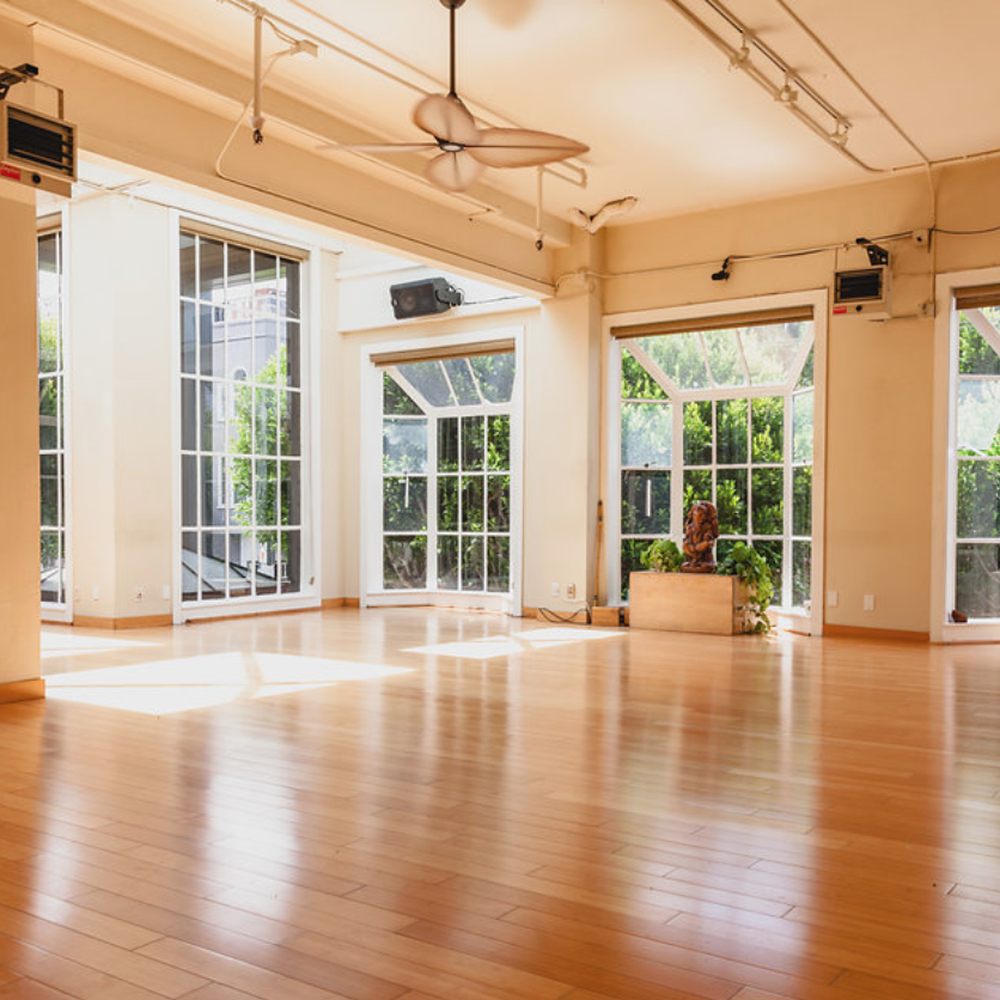
1. Yoga Studios in San Francisco
San Francisco is known for its vibrant yoga community, with numerous yoga studios scattered throughout the city. Whether you’re a seasoned yogi looking for a new studio or a beginner interested in starting your yoga journey, San Francisco has plenty of options to suit everyone’s needs. In this article, we’ll explore the popular yoga studios in San Francisco, the benefits of practicing yoga at a studio, and how to find the best yoga studio for you.
1.1 Popular yoga studios in San Francisco
San Francisco boasts a wide range of popular yoga studios that cater to different preferences and styles. One such studio is “Sunshine Yoga Studio,” located in the heart of the city. They offer a variety of classes, from Hatha to Vinyasa, with experienced instructors who provide guidance for practitioners of all levels.
Another renowned yoga studio is “Inner Peace Yoga,” nestled in a tranquil neighborhood. This studio focuses on mindfulness and offers various meditation techniques alongside yoga classes. Their serene ambiance and experienced instructors make it a top choice for many yoga enthusiasts.
For those looking for a fusion of yoga and fitness, “PowerFlow Yoga” is a popular option. They offer dynamic and challenging classes that combine yoga postures with strength-building exercises. With energetic instructors and a motivating atmosphere, PowerFlow Yoga is a favorite among those seeking an invigorating workout.
1.2 Benefits of practicing yoga at a studio
While practicing yoga at home has its advantages, attending a yoga studio offers unique benefits that can enhance your practice. One significant advantage is the presence of knowledgeable instructors who can provide hands-on corrections and personalized guidance. In a studio setting, instructors can observe and correct your alignment, helping you deepen your practice and avoid injuries.
Yoga studios also provide a dedicated space for your practice, free from distractions and household responsibilities. Being in a studio environment can foster a focused and meditative state, allowing you to fully immerse yourself in your yoga journey.
Additionally, yoga studios often offer a sense of community and support. Connecting with fellow yogis can be a source of inspiration and motivation. Studios regularly host workshops, events, and social activities that encourage interaction, allowing you to build relationships and expand your yoga network.
1.3 Finding the best yoga studio for you
With numerous yoga studios in San Francisco, finding the best one for your needs may seem overwhelming. However, there are a few factors to consider that can simplify your decision-making process.
Firstly, location and accessibility play a crucial role. Determine whether you prefer a studio located in the bustling downtown area or in a peaceful residential neighborhood. Consider the proximity to your home or workplace and the ease of commute to ensure regular attendance.
Next, explore the variety of yoga styles offered by different studios. San Francisco studios provide a diverse range of options, including Hatha, Vinyasa, Ashtanga, Yin, and many more. Research the different styles and check if they align with your preferences and goals.
It’s also essential to assess the expertise and certifications of the instructors. Look for studios that employ experienced and certified yoga teachers who can guide you safely through your practice. Specializations and expertise can further enhance your experience, so consider whether you have any specific requirements or interests.
Lastly, take advantage of trial classes or introductory offers provided by yoga studios. This allows you to experience the studio firsthand and assess if it aligns with your expectations and comfort level. Don’t hesitate to ask questions and seek recommendations from friends or fellow yogis to gather more information before making a decision.
2. Location and Accessibility
San Francisco is a sprawling city, and the location and accessibility of yoga studios play a significant role in the convenience of your practice. Depending on your preferences and lifestyle, you may opt for a studio located in downtown San Francisco or in the residential areas.
2.1 Studios located in downtown San Francisco
If you work or spend most of your time in the bustling downtown area, choosing a yoga studio in this location can be highly convenient. Many studios in downtown San Francisco offer early morning, lunchtime, and evening classes to accommodate busy schedules. This allows you to squeeze in a yoga session during your lunch break or before and after work.
The downtown studios often provide additional amenities such as showers and changing facilities, allowing you to freshen up before heading back to the office or exploring the city. Some studios may also offer parking options or be easily accessible by public transportation, ensuring a seamless and stress-free commute.
2.2 Studios located in the residential areas
If you prefer a more serene and residential environment for your yoga practice, consider exploring studios located in quieter neighborhoods. These studios often provide a peaceful retreat from the hustle and bustle of the city.
Residential area studios tend to have a more laid-back atmosphere, with fewer crowds and a stronger sense of community. You may find that these studios offer a wider range of class times, accommodating different time preferences and allowing for a flexible yoga schedule.
2.3 Accessibility options for yoga studios
In addition to studio locations, it’s important to assess the accessibility options available. Some yoga studios in San Francisco may offer online classes, allowing you to practice yoga from the comfort of your own home. This can be especially beneficial for those with busy schedules, mobility limitations, or who prefer the convenience of practicing at home.
For those seeking in-person classes but needing flexibility, consider studios that offer a combination of in-person and virtual options. This way, you can attend classes in person when possible and transition to online classes as needed.
When considering accessibility options, keep in mind the availability of recorded classes and resources. Some studios may provide recorded classes for you to access at any time, enabling you to fit your yoga practice into your schedule at your convenience.
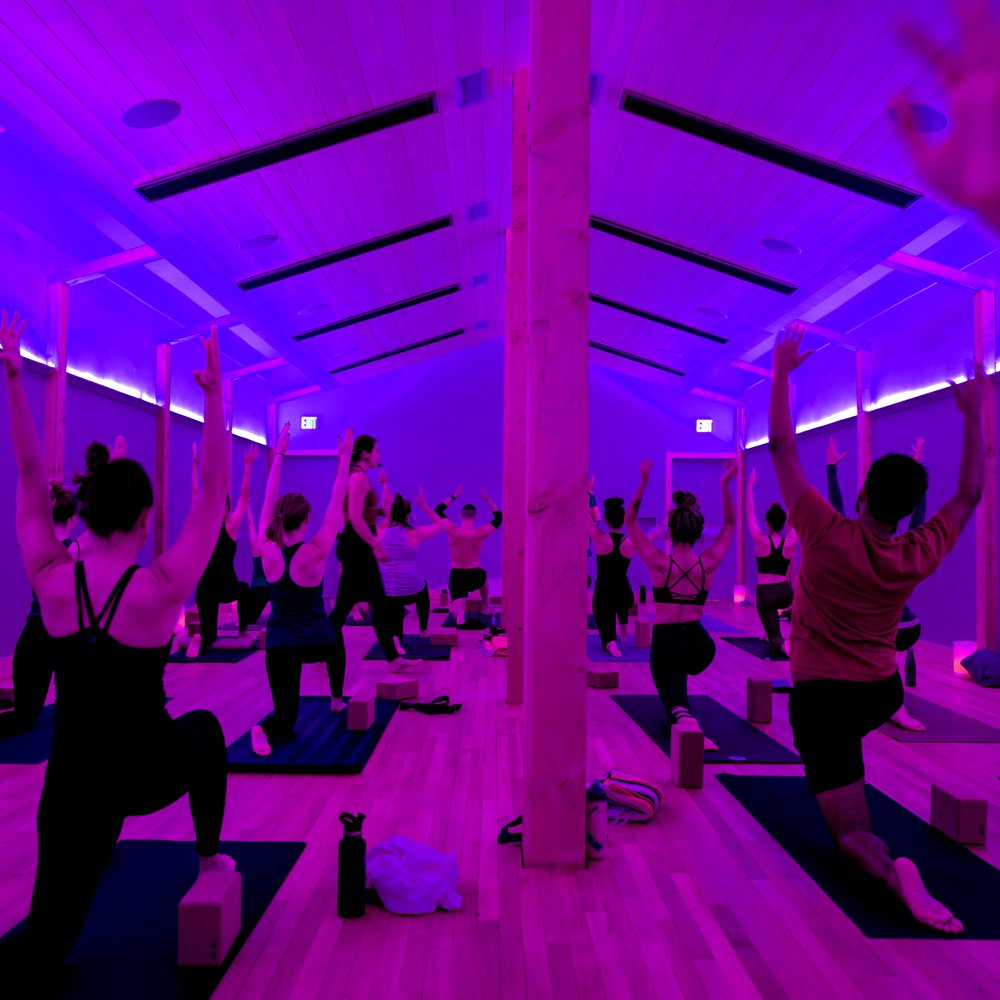
3. Yoga Styles and Classes Offered
One of the appealing aspects of San Francisco’s yoga scene is the plethora of yoga styles and classes available. Whether you’re a beginner or an experienced yogi, there is a style and class to suit your preferences and goals.
3.1 Varieties of yoga styles available in San Francisco studios
San Francisco yoga studios offer a wide range of yoga styles, allowing practitioners to explore and find their ideal practice. Some popular styles include:
-
Hatha Yoga: A gentle, foundational practice that focuses on aligning the body and breath. Hatha classes are suitable for all levels and often incorporate holding postures for longer periods.
-
Vinyasa Yoga: A dynamic and flowing practice that synchronizes movement with breath. Vinyasa classes often involve sequences of poses linked together, creating a fluid and energetic practice.
-
Ashtanga Yoga: A traditional and physically demanding practice that follows a specific sequence of poses. Ashtanga classes are known for their disciplined structure and emphasis on breath control.
-
Yin Yoga: A slow-paced style that targets the deep connective tissues of the body. Yin classes involve holding passive poses for an extended period, promoting relaxation, flexibility, and mindfulness.
These are just a few examples of the many yoga styles available in San Francisco. Studios often offer a blend of styles, allowing you to explore and mix up your practice based on your preferences and goals.
3.2 Specialty classes offered by certain studios
While many studios offer a diverse range of classes, some specialize in specific styles or practices. For example, you may find studios that focus on hot yoga, which is practiced in a heated room to enhance flexibility and detoxification.
Other studios may specialize in prenatal yoga, providing classes tailored for expectant mothers to support their physical and emotional well-being during pregnancy. These specialty classes can be a great option if you have specific needs or interests.
Additionally, some studios offer meditation classes, bringing the benefits of mindfulness and introspection alongside the physical practice of yoga. These classes can be a wonderful complement to your yoga practice, allowing you to deepen your connection with yourself and find inner calm.
3.3 Class schedules and availability
When exploring different yoga studios in San Francisco, it’s important to consider their class schedules and availability. Look for studios that offer a range of class times that align with your daily routine. This ensures that you can consistently attend classes without feeling rushed or overwhelmed.
Some studios may provide early morning classes for those who prefer to start their day with yoga, while others may offer evening classes for individuals with busy daytime schedules. Remember to also check the duration of the classes, as this can vary between studios. Opt for a class length that suits your preferences and allows you to fully immerse yourself in your practice.
4. Studio Amenities and Facilities
The amenities and facilities provided by yoga studios can greatly contribute to your overall yoga experience. When selecting a studio, consider the availability of yoga props and equipment, shower and changing facilities, and other additional amenities.
4.1 Availability of yoga props and equipment
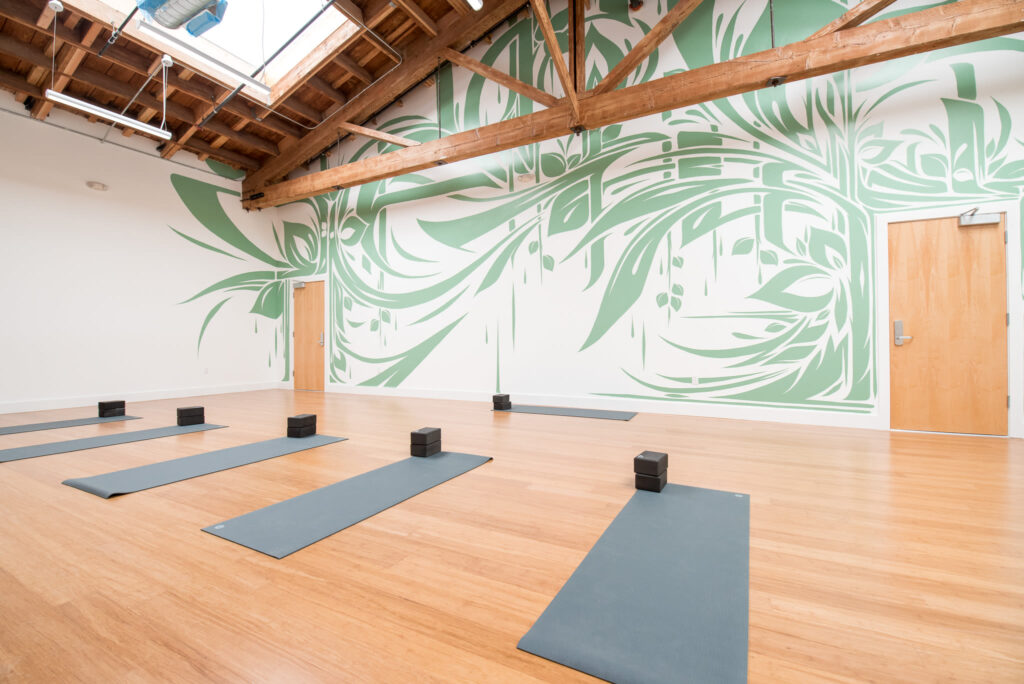
Yoga props, such as blocks, straps, bolsters, and blankets, can greatly enhance your practice by providing support and helping you explore postures with correct alignment. It’s important to choose a yoga studio that offers a variety of props and ensures their cleanliness and availability.
Some studios may provide these props free of charge, while others may require you to bring your own. Check with the studio beforehand to understand their prop policy and determine if it aligns with your preferences and needs.
4.2 Shower and changing facilities
If you plan to attend yoga classes before or after work, having access to showers and changing facilities can be extremely convenient. Many downtown yoga studios in San Francisco offer these amenities, allowing you to freshen up and transition seamlessly between your yoga practice and daily activities.
Shower and changing facilities can also be beneficial if you have a busy schedule and need to quickly refresh before attending other engagements. Assess the availability of these facilities when selecting a studio and ensure they meet your personal hygiene needs.
4.3 Additional amenities such as parking and childcare services
Some yoga studios in San Francisco provide additional amenities that can enhance your overall experience. For instance, parking options may be available, making it easier for you to commute to and from the studio. This can be especially valuable if you prefer driving or if you have limited access to public transportation.
If you’re a parent, you may also want to consider studios that offer childcare services. These studios provide a safe and supervised environment for your little ones while you enjoy your yoga practice. Childcare services can be an excellent option for parents who want to prioritize their well-being without compromising on their family responsibilities.
When considering additional amenities, it’s important to weigh their importance against your personal needs and preferences. The availability of these amenities may influence your decision but should not overshadow the quality of yoga instruction and the overall atmosphere of the studio.
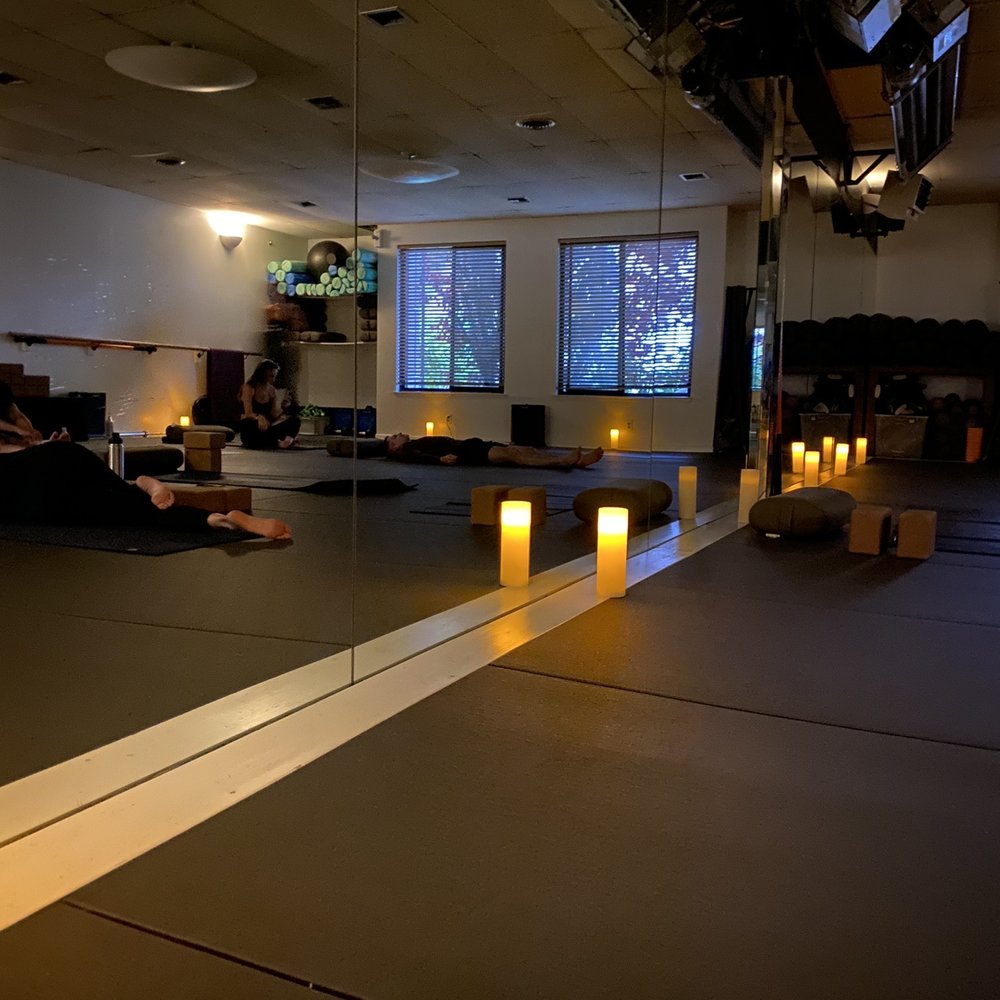
5. Pricing and Membership Options
As you explore different yoga studios in San Francisco, understanding the pricing structures and membership options can help you find a studio that aligns with your budget and financial preferences.
5.1 Membership options offered by yoga studios
Many San Francisco yoga studios offer different membership options to cater to various commitment levels. These options may include unlimited monthly memberships, class packs, drop-in rates, or introductory offers for new students.
Unlimited monthly memberships are an excellent choice if you plan to attend yoga classes frequently and want to establish a consistent practice. They often provide the best value for those who attend more than a few classes per week. Class packs, on the other hand, allow you to purchase a specific number of classes upfront and use them within a certain period. This option suits those with unpredictable schedules or those who want more flexibility in their attendance.
Drop-in rates are typically higher than membership options but give you the flexibility to attend classes as and when you please. This option is ideal for occasional practitioners or for those who want to try out different studios before committing to a membership.
5.2 Pricing structures and discounts
When comparing pricing structures, be sure to factor in any additional costs, such as rental fees for yoga mats, towels, or other equipment. While some studios include these in their membership fees, others may charge separately for their usage.
Keep an eye out for any special discounts or promotions that studios may offer. Many studios provide discounted rates for students, seniors, or individuals with specific professions. Some studios may also offer discounted rates for classes during off-peak hours, allowing you to save on regular class fees.
It’s essential to evaluate the overall value you’re receiving for the price you’re paying. Consider the quality of instruction, the variety of classes offered, and the overall atmosphere and facilities of the studio when assessing the pricing. Ultimately, choose a studio that provides the best value and meets your budget while delivering a satisfying yoga experience.
5.3 Trial classes and introductory offers
Before committing to a membership or purchasing a class pack, take advantage of trial classes or introductory offers provided by yoga studios. These opportunities allow you to experience the studio firsthand and assess if it aligns with your preferences and expectations.
Trial classes are typically offered at a discounted rate or even for free. During these classes, you can experience the teaching style, ambiance, and overall vibe of the studio. Pay attention to the instructor’s approach, the level of personalized attention, and the level of comfort you feel during the trial class.
Additionally, keep an eye out for any introductory offers exclusively available to new students. These offers may include a discounted membership rate for the initial period or special discounts on class packs. Utilize these opportunities to explore various studios, gather information, and make an informed decision based on your experience.
6. Yoga Instructors and Expertise
The expertise and qualifications of the yoga instructors play a vital role in your yoga journey. When selecting a yoga studio in San Francisco, it’s important to ensure that the instructors are experienced, certified, and able to guide you safely through your practice.
6.1 Experienced and certified yoga instructors
Look for studios that employ experienced yoga instructors with a strong background in their respective disciplines. Experienced teachers have deep knowledge about yoga and can effectively guide you through various poses, modifications, and adjustments. They can tailor their instruction to meet different levels, ensuring a safe and fulfilling practice for all students.
Certifications are also crucial in ensuring that instructors have received comprehensive training and are competent in teaching yoga. Common certifications include those from well-recognized yoga schools, such as Yoga Alliance. These certifications require rigorous training, including a minimum number of study hours and teaching experience. Checking for these certifications can give you confidence in the expertise and professionalism of the instructors.
6.2 Specializations and expertise
In addition to experience and certifications, consider whether the instructors have any specializations or expertise in particular areas. Some instructors may have advanced training in specific yoga styles, such as Ashtanga or Yin, while others may have expertise in therapeutic or prenatal yoga. If you have specific needs or interests, seeking out instructors with relevant specializations can greatly enhance your yoga experience.
It’s also helpful to assess the teaching style and personality of the instructors. Some teachers may focus more on physical alignment, while others may emphasize mindfulness and emotional well-being. Determine your preferences and find instructors who align with your goals, ensuring a compatible and enjoyable learning experience.
6.3 Reputation and testimonials
Researching the reputation of yoga instructors and reading testimonials from current and past students can provide valuable insights into their teaching abilities. Check if the studio website or other online platforms provide information about the instructors’ backgrounds, experience, and teaching philosophies. Many studios also include instructor bios on their websites, allowing you to learn more about their expertise and teaching styles.
In addition to online resources, word-of-mouth recommendations and referrals from fellow yogis can give you a more personal perspective on the instructors. Reach out to your yoga community, friends, or family who practice yoga and ask for their recommendations. Personal referrals can provide reassurance and help you navigate your options with confidence.
7. Community and Social Events
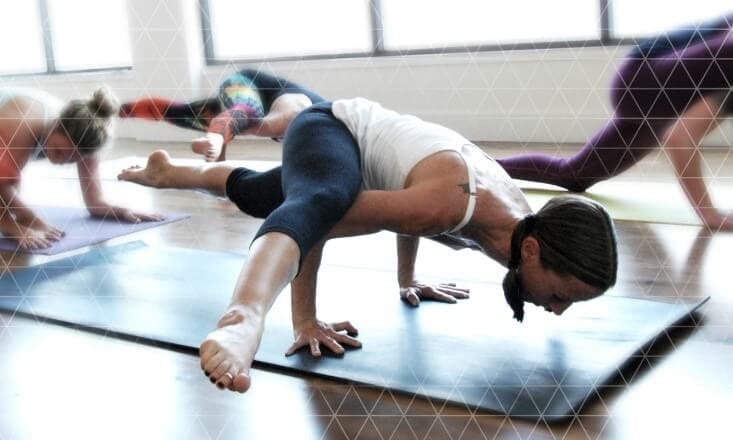
Yoga studios often serve as hubs for building a supportive community and fostering connections among practitioners. When selecting a yoga studio, consider the community events, workshops, retreats, and social gatherings they organize to create a vibrant and inclusive environment.
7.1 Community events organized by yoga studios
Many yoga studios in San Francisco actively organize community events to bring students together and cultivate a sense of belonging. These events may include donation-based classes for a charitable cause, outdoor yoga sessions in parks, or special classes with live music. Participating in these events can be a wonderful way to meet like-minded individuals and share the collective energy of a group practice.
7.2 Workshops, retreats, and special gatherings
Workshops and retreats provide opportunities for deeper exploration and immersion in specific aspects of yoga. Studios often invite renowned instructors or specialists to lead workshops on topics such as inversions, arm balances, or meditation. These sessions offer a unique learning experience and allow you to expand your skills and knowledge.
Yoga retreats, both local and international, offer a chance to retreat from daily life and immerse yourself in a concentrated period of yoga practice, relaxation, and self-reflection. Retreats can be transformative experiences that deepen your connection with yourself and provide valuable insights into your yoga journey.
Special gatherings, such as celebrations of festivals or significant yoga milestones, can also create a sense of camaraderie within the yoga community. These events foster connection and joy, allowing you to engage with fellow practitioners on a deeper level and celebrate the shared love for yoga.
7.3 Social engagement and networking opportunities
Attending yoga classes at a studio provides a unique opportunity to connect and network with individuals who share a similar interest. Studios often offer designated spaces for practitioners to socialize before and after classes, creating a warm and welcoming atmosphere.
Engaging in conversations with fellow yogis can lead to new friendships, mentoring relationships, and the exchange of ideas and experiences. It’s not uncommon for yoga studios to host informal gatherings or events where practitioners can connect beyond the mat. These social engagement opportunities contribute to the holistic yoga experience and enrich your practice with diverse perspectives.
8. Online Resources and Virtual Classes
With the advancement of technology, many yoga studios now offer online resources and virtual classes to cater to the needs of their students. The availability of online options can greatly enhance the flexibility of your practice and broaden your access to different yoga teachings.
8.1 Yoga studios offering online classes
Especially in the wake of the COVID-19 pandemic, many San Francisco yoga studios have incorporated online classes into their offerings. These virtual classes make it possible to practice yoga from the comfort of your own home, ensuring your safety and convenience.
Online classes can be live-streamed, allowing you to virtually join an ongoing class in real-time. This provides the opportunity for interactive sessions, where instructors can provide verbal cues and corrections just as they would in-person. Some studios may also offer pre-recorded classes that you can access anytime, offering flexibility for your practice.
8.2 Availability of recorded classes and resources
In addition to virtual classes, many yoga studios provide recorded classes and resources that you can access at your convenience. These resources may include recorded yoga classes, guided meditations, or instructional videos on specific poses or techniques.
Having access to recorded classes is especially beneficial for those with busy schedules or conflicting time zones. It allows you to practice yoga at a time that suits you best, without being restricted by live class schedules. Additionally, being able to revisit recorded classes can facilitate self-practice and support your progress and development.
8.3 Virtual live streaming options
Virtual live streaming is a great alternative for practitioners who prefer the energy and real-time interaction of a live class but are unable to attend in-person. With virtual live streaming, you can join a yoga class remotely and participate as if you were physically present.
When selecting a yoga studio that offers virtual classes, consider the platform on which the classes are conducted. Ensure that the platform is user-friendly and compatible with your devices, allowing for a seamless and uninterrupted virtual experience. Familiarize yourself with any technical requirements or recommendations provided by the studio to optimize your online practice.
9. Health and Safety Measures
In light of the COVID-19 pandemic, health and safety measures have become paramount concerns for yoga studios. When considering a yoga studio in San Francisco, evaluate the protocols and practices they have in place to ensure the well-being of their students.
9.1 COVID-19 protocols and safety measures
Determine if the studio follows strict sanitization protocols, including frequent cleaning of floors, props, and high-touch surfaces. Look for studios that provide hand sanitizers, disinfectant wipes, and handwashing facilities to maintain proper hygiene.
Many studios have adjusted their class capacities to ensure physical distancing between participants. This may involve reducing the number of students per class, marking mat placements to maintain adequate spacing, or implementing staggered class schedules to prevent overcrowding. Assess whether the studio’s safety measures align with your comfort level and expectations.
Masks may be required during certain parts of the class, such as when entering or leaving the studio or during movements that involve close proximity to others. Studios may also implement health screenings, such as temperature checks, before allowing individuals to enter the facility. These measures are designed to prioritize the health and safety of all participants.
9.2 Sanitization and cleanliness practices
Sanitation and cleanliness are paramount in a yoga studio to create a safe and hygienic environment. Inquire about the studio’s cleaning practices, including the regularity of cleaning sessions and the disinfectants used.
Ensure that the studio has a protocol in place for sanitizing props and equipment between each use. Yoga mats, blocks, and straps should be thoroughly cleaned or replaced after each session to minimize any potential transmission of germs.
Additionally, check if the studio provides sufficient ventilation to ensure a fresh and clean practice space. Adequate airflow helps circulate fresh air and eliminate stagnant air, reducing the risk of any airborne contaminants.
9.3 Precautions for a safe and healthy yoga practice
To ensure a safe and healthy yoga practice, it’s important to adhere to certain precautions regardless of the studio’s safety measures. Follow any guidelines provided by the studio, such as arriving on time, wearing masks when required, and maintaining physical distance from others.
It’s also advisable to bring your own yoga mat, towels, and water bottle to minimize shared equipment. Additionally, consider practicing self-screening by monitoring your health and refraining from attending classes if you feel unwell or show any symptoms of illness.
Remember that your individual well-being and that of others in the yoga community depend on collective responsibility and adherence to health and safety measures. By taking necessary precautions, you can enjoy a safe and fulfilling yoga practice in the studio environment.
10. Reviews and Recommendations
Reading reviews and seeking recommendations from others can provide valuable insights and help you make an informed decision when choosing a yoga studio. Consider both online platforms and word-of-mouth referrals to gather various perspectives and opinions.
10.1 Online platforms for yoga studio reviews
Numerous online platforms offer reviews and ratings for yoga studios. Websites like Yelp, Google Reviews, and ClassPass provide reliable information and firsthand experiences from students who have attended different studios in San Francisco. While reading reviews, consider the overall rating, as well as specific aspects commented on, such as the atmosphere, instructors, cleanliness, or class experiences.
Bear in mind that reviews are subjective and personal opinions may differ. Look for common themes or patterns across multiple reviews to gain a more balanced understanding of the studio. Additionally, consider leaving your own review after attending a yoga studio to contribute to the community and help future yogis make informed decisions.
10.2 Word-of-mouth recommendations and referrals
In addition to online reviews, word-of-mouth recommendations and referrals can be highly valuable in selecting a yoga studio. Ask family, friends, coworkers, or fellow yogis about their experiences and seek their suggestions. Personal recommendations often come with firsthand insights, making them highly reliable sources of information.
When seeking referrals, provide specific information about your preferences and requirements. For example, if you’re particularly interested in restorative yoga or prenatal classes, ask for recommendations within those areas. This targeted approach can help you gather recommendations that closely align with your needs, ensuring a tailored and satisfactory yoga experience.
10.3 Importance of reading and leaving reviews
Reading and leaving reviews benefits both yoga studios and prospective students. Positive reviews can help studios gain visibility and attract new students, while constructive feedback can highlight areas for improvement and encourage studios to enhance their offerings.
Leaving reviews allows you to express appreciation for exceptional experiences, acknowledge the efforts of instructors, and provide guidance for others looking to join the yoga community. Share your honest and detailed observations to assist future students in making well-informed decisions and contribute to the collective growth of the yoga community in San Francisco.
In conclusion, San Francisco offers a treasure trove of yoga studios that cater to various preferences and needs. When selecting a yoga studio, consider factors such as location and accessibility, the variety of yoga styles and classes offered, studio amenities, pricing and membership options, instructor expertise, community engagement, online resources, health and safety measures, and the recommendations and reviews of others. By carefully evaluating these aspects, you can find the perfect yoga studio that aligns with your goals, nurtures your practice, and enhances your overall well-being.