
When you step into a yoga studio in Frisco, TX, you are entering a space designed for tranquility and self-discovery. The atmosphere is often serene, with soft lighting and calming scents that invite you to leave the outside world behind. You might hear gentle music playing in the background or the sound of soft chimes, creating an ambiance that encourages relaxation.
As you walk in, you’ll likely be greeted by friendly staff who are eager to help you feel at home. This welcoming environment is essential for fostering a sense of community and belonging, which is a significant aspect of the yoga experience. As you prepare for your first class, you can expect to see a variety of individuals, each on their unique journey.
Some may be seasoned practitioners, while others are just beginning their exploration of yoga. This diversity adds to the richness of the experience, as you can learn from others and share in the collective energy of the group. The instructor will guide you through the session, offering modifications and adjustments to ensure that everyone feels comfortable and supported.
You’ll quickly realize that yoga is not just about physical postures; it’s also about connecting with yourself and those around you.
Key Takeaways
- Expect a welcoming and peaceful environment at a yoga studio in Frisco, Tx
- Choose a class that matches your level of experience and physical ability
- Different types of yoga are offered, such as Hatha, Vinyasa, and Bikram
- Proper breathing techniques are essential for maximizing the benefits of yoga
- Look for a yoga studio in Frisco, Tx that aligns with your personal preferences and needs
Choosing the Right Class for Your Level
Selecting the right class for your skill level is crucial to ensuring a positive experience at the yoga studio. If you are new to yoga, look for beginner classes that focus on foundational poses and basic breathing techniques. These classes are designed to introduce you to the principles of yoga without overwhelming you.
Instructors will often take the time to explain each pose in detail, allowing you to build confidence as you progress. You may find that these introductory sessions help you develop a solid understanding of alignment and body awareness, which are essential for your practice. As you become more comfortable with the basics, you can explore intermediate or advanced classes that challenge your abilities and deepen your practice.
These sessions may incorporate more complex poses and sequences, pushing you to expand your limits. However, it’s essential to listen to your body and not rush into advanced classes before you’re ready. Remember that yoga is a personal journey, and it’s perfectly acceptable to take your time as you grow and evolve in your practice.
Understanding the Different Types of Yoga Offered
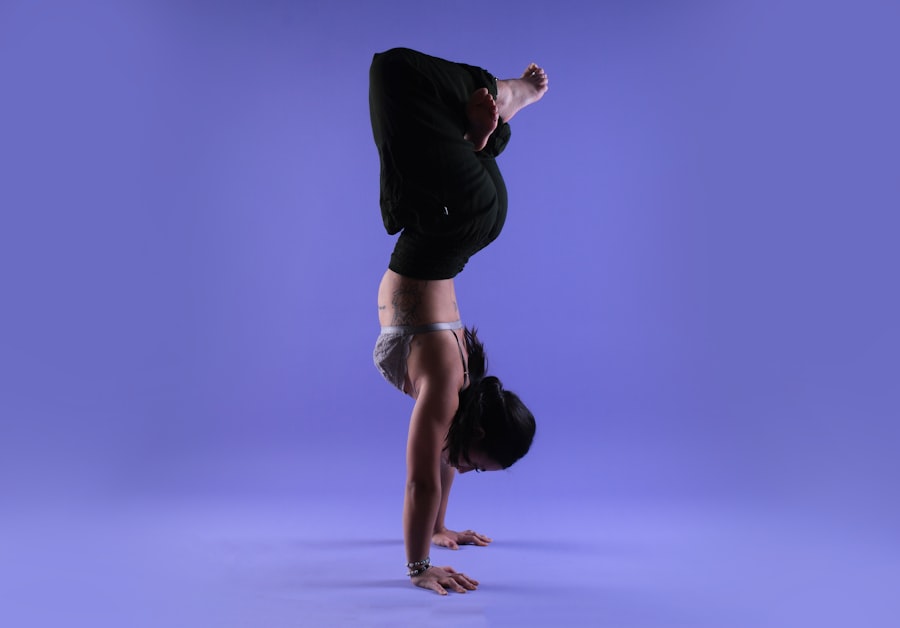
Yoga studios often offer a variety of styles, each with its unique focus and benefits. Familiarizing yourself with these different types can help you choose the one that resonates most with your goals and preferences. For instance, Hatha yoga is a gentle introduction to the practice, emphasizing basic postures and alignment.
It’s an excellent choice for beginners or those looking for a slower-paced class. On the other hand, Vinyasa yoga is more dynamic, linking breath with movement in a flowing sequence. This style can be invigorating and is perfect for those seeking a more energetic workout.
If relaxation is what you’re after, consider trying Yin yoga, which involves holding poses for extended periods to promote deep stretching and mindfulness. By exploring various styles, you can discover what feels best for your body and mind, ultimately enhancing your overall experience at the studio.
The Importance of Proper Breathing Techniques
Breathing is a fundamental aspect of yoga that often goes unnoticed by beginners. However, understanding proper breathing techniques can significantly enhance your practice. In yoga, breath control—known as pranayama—helps to center your mind and connect your body with your movements.
As you inhale and exhale deeply, you create space within yourself, allowing for greater flexibility and focus during your practice. Incorporating breath awareness into your routine can also help reduce stress and anxiety. When you consciously control your breath, it activates the parasympathetic nervous system, promoting relaxation and calmness.
As you progress in your practice, pay attention to how your breath influences your movements and overall experience. You may find that focusing on your breath not only enhances your physical practice but also cultivates a deeper sense of mindfulness in your daily life.
Tips for Finding the Right Yoga Studio Frisco Tx
Finding the right yoga studio in Frisco can be an exciting yet daunting task. Start by researching local studios online, reading reviews from fellow practitioners to gauge their experiences. Look for studios that align with your values and preferences—whether that’s a focus on community, specific styles of yoga, or the qualifications of instructors.
Many studios offer introductory packages or trial classes, allowing you to sample their offerings before committing long-term. Visiting different studios can also help you determine which environment feels most comfortable for you. Pay attention to factors such as class size, instructor-to-student ratio, and overall atmosphere.
A studio that fosters a sense of belonging will enhance your experience and encourage you to return regularly. Ultimately, trust your instincts; choose a studio where you feel inspired and motivated to grow in your practice.
What to Wear and Bring to Your First Class
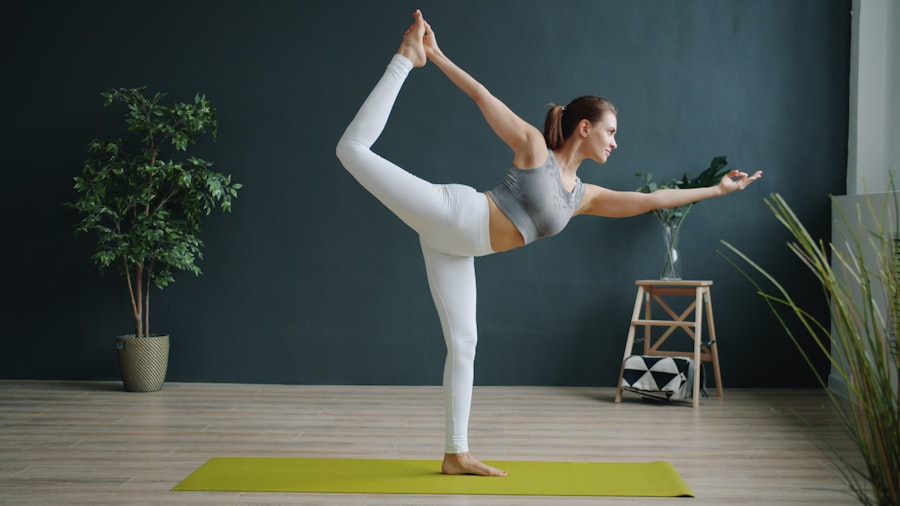
When preparing for your first yoga class, choosing the right attire is essential for comfort and mobility. Opt for breathable fabrics that allow for easy movement—think leggings or shorts paired with a fitted top. Avoid overly baggy clothing that may hinder your range of motion or distract you during poses.
Additionally, consider wearing layers if you’re unsure about the studio’s temperature; this way, you can adjust as needed throughout the class. In terms of what to bring, a yoga mat is typically essential for providing grip and cushioning during practice. If you don’t own one yet, many studios offer rentals or have mats available for use.
You might also want to bring a water bottle to stay hydrated during class and a towel if you’re prone to sweating. Lastly, consider bringing an open mind and a willingness to learn; these are perhaps the most important items you’ll carry with you into the studio.
How to Prepare Mentally and Emotionally for Your Practice
Preparing mentally and emotionally for your yoga practice can significantly enhance your experience on the mat. Before heading to class, take a moment to set an intention for your practice—this could be anything from cultivating gratitude to letting go of stress. By establishing a clear focus, you create a framework for what you hope to achieve during your time on the mat.
Additionally, consider incorporating mindfulness techniques into your pre-class routine. This could involve deep breathing exercises or a brief meditation session to clear your mind of distractions. Arriving at the studio early allows you time to settle in and connect with yourself before class begins.
By taking these steps, you’ll create a more meaningful practice that resonates with both your body and spirit.
The Benefits of Regular Yoga Practice
Engaging in regular yoga practice offers numerous benefits that extend beyond physical fitness. One of the most significant advantages is improved flexibility; over time, you’ll notice increased range of motion in your joints and muscles. This newfound flexibility can enhance not only your yoga practice but also other physical activities in your life.
Moreover, consistent practice fosters mental clarity and emotional resilience. As you learn to navigate challenging poses on the mat, you’ll develop skills that translate into everyday life—such as patience, focus, and stress management. Many practitioners report feeling more balanced and centered after incorporating yoga into their routines.
Ultimately, regular practice can lead to a profound transformation in both body and mind.
Common Yoga Studio Etiquette
Understanding yoga studio etiquette is essential for creating a respectful environment for all practitioners. One key aspect is punctuality; arriving on time allows you to settle in before class begins and minimizes disruptions for others. If you’re running late, it’s generally best to wait until after the opening meditation or initial poses before entering the room.
Another important consideration is maintaining silence during class—this includes turning off or silencing your phone to avoid distractions. Additionally, be mindful of personal space; while sharing a studio with others is part of the experience, it’s essential to respect each individual’s practice by giving them room to move freely. By adhering to these guidelines, you’ll contribute positively to the studio atmosphere and enhance everyone’s experience.
How to Avoid Injury and Practice Safely
Safety should always be a priority during your yoga practice to prevent injury and ensure long-term enjoyment of the discipline. Start by listening to your body; if something doesn’t feel right or causes pain, don’t hesitate to modify or skip that pose altogether. Instructors are there to help guide you through adjustments or alternatives that suit your needs better.
Additionally, pay attention to alignment cues provided by your instructor; proper alignment is crucial for preventing strain on muscles and joints. If you’re unsure about how to execute a pose safely, don’t hesitate to ask questions or seek clarification during class. Remember that yoga is not about achieving perfection; it’s about honoring where you are in your journey while cultivating awareness and compassion for yourself.
Finding Community and Support at Your Yoga Studio
One of the most rewarding aspects of practicing yoga in a studio setting is the sense of community it fosters among practitioners. As you attend classes regularly, you’ll likely begin to recognize familiar faces and form connections with fellow yogis who share similar interests and goals. This camaraderie can provide invaluable support as you navigate your personal journey through yoga.
Many studios offer workshops, events, or social gatherings that encourage interaction beyond regular classes. Participating in these activities can deepen your sense of belonging within the community while also providing opportunities for growth and learning from others’ experiences. Embrace this chance to connect with like-minded individuals; together, you’ll create an enriching environment that enhances not only your practice but also your overall well-being.
In conclusion, embarking on your yoga journey at a studio in Frisco offers an array of experiences that can transform both body and mind. By understanding what to expect, choosing the right classes, practicing proper etiquette, and connecting with others in the community, you’ll cultivate a fulfilling practice that supports your personal growth every step of the way.
If you’re looking to deepen your understanding of yoga practices beyond the basics, you might find the article on Advanced Pranayama Techniques particularly insightful. This resource complements the Beginner’s Guide to Yoga Studio Frisco, TX, by exploring advanced breathing techniques that can enhance your yoga experience and overall well-being.
FAQs
What is yoga?
Yoga is a physical, mental, and spiritual practice that originated in ancient India. It involves various postures, breathing techniques, and meditation to promote overall health and well-being.
What are the benefits of practicing yoga?
Practicing yoga can improve flexibility, strength, and balance. It also helps reduce stress, anxiety, and depression, and can promote relaxation and better sleep.
What should I expect at a yoga studio in Frisco, TX?
At a yoga studio in Frisco, TX, you can expect to find a welcoming and peaceful environment where you can practice yoga under the guidance of experienced instructors. The studio may offer a variety of classes for different skill levels and preferences.
Do I need to bring my own yoga mat?
It is recommended to bring your own yoga mat to a yoga studio in Frisco, TX. However, some studios may provide mats for student use.
What should I wear to a yoga class?
Wear comfortable and breathable clothing that allows for easy movement. Avoid wearing anything too loose or baggy that may get in the way during certain poses.
Is yoga suitable for beginners?
Yes, yoga is suitable for beginners. Many yoga studios offer beginner-friendly classes that focus on foundational poses and proper alignment. Instructors are usually accommodating and can provide modifications for different skill levels.