
In the vibrant city of Frisco, Texas, the wellness scene is thriving, and two popular forms of yoga have captured the attention of many: hot yoga and Vinyasa. Both practices offer unique experiences that cater to different preferences and goals. If you’re looking to deepen your understanding of these two styles, you’re in the right place.
Hot yoga typically takes place in a heated room, creating an environment that promotes sweating and detoxification. Vinyasa, on the other hand, is characterized by its fluid movement and breath synchronization, allowing for a dynamic flow that can be both invigorating and calming. As you explore these practices, you may find that each offers distinct benefits that can enhance your physical and mental well-being.
Whether you’re a seasoned yogi or a newcomer, understanding the nuances of hot yoga and Vinyasa can help you make informed choices about your practice. In this article, we will delve into the physical and mental benefits of both styles, examine their differences, and discuss how elements like breathing and alignment play crucial roles in each practice.
Key Takeaways
- Hot yoga and Vinyasa are popular yoga practices in Frisco, Tx, offering a range of physical and mental benefits.
- Hot yoga can improve flexibility, strength, and cardiovascular health, while Vinyasa focuses on building strength, balance, and endurance.
- Both practices can reduce stress, anxiety, and depression, and improve mental clarity and focus.
- Hot yoga is practiced in a heated room with high humidity, while Vinyasa may or may not involve heat and humidity.
- Proper breathing is essential in both practices, helping to calm the mind and improve overall performance.
The Physical Benefits of Hot Yoga
Hot yoga is renowned for its ability to promote physical fitness through a combination of heat and movement. Practicing in a heated environment can lead to increased flexibility as your muscles warm up more quickly, allowing you to stretch deeper into poses. This enhanced flexibility can be particularly beneficial for those who may struggle with tight muscles or joint stiffness.
As you flow through various postures, you may notice that your range of motion improves over time, making everyday activities feel easier and more comfortable. Additionally, the heat in hot yoga encourages sweating, which can aid in detoxification. As you perspire, your body releases toxins and impurities, leaving you feeling refreshed and rejuvenated.
This cleansing effect can also contribute to improved skin health, as the increased circulation helps nourish your skin cells. Furthermore, the intensity of hot yoga can provide a cardiovascular workout, elevating your heart rate and promoting overall cardiovascular health. You may find that regular practice not only enhances your physical strength but also boosts your endurance.
The Physical Benefits of Vinyasa
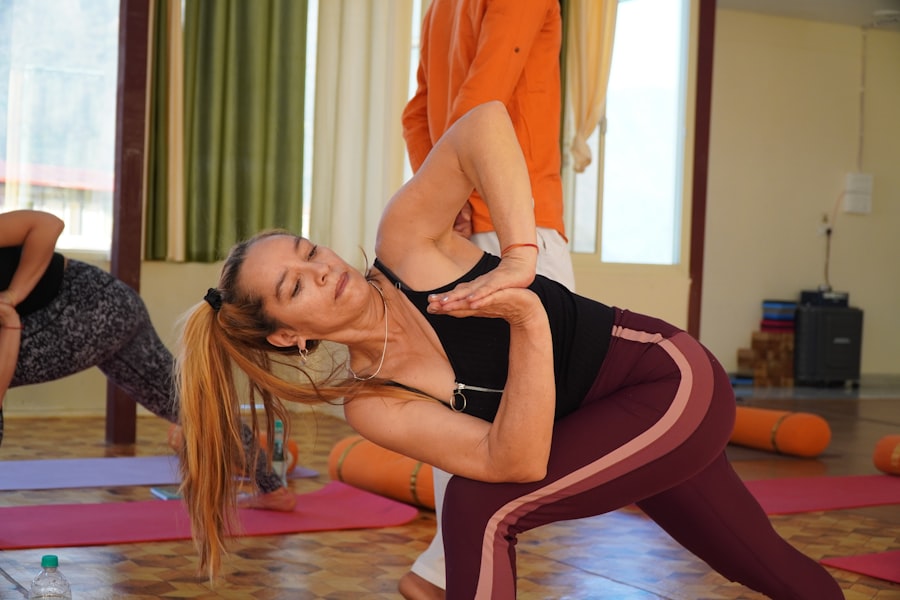
Vinyasa yoga offers its own set of physical benefits that cater to those who enjoy a more dynamic practice. The flowing nature of Vinyasa allows you to transition smoothly between poses, creating a rhythm that can be both energizing and meditative. This continuous movement helps build strength in various muscle groups as you engage different parts of your body throughout the sequence.
You may find that your core strength improves significantly as you stabilize yourself during transitions and hold challenging poses. Moreover, Vinyasa encourages balance and coordination as you move from one posture to another. This focus on fluidity can enhance your overall body awareness, helping you develop a deeper connection with your physical self.
As you practice regularly, you may notice improvements in your posture and alignment, which can alleviate discomfort and tension in your body. The combination of strength-building and flexibility-enhancing movements makes Vinyasa an excellent choice for those looking to cultivate a well-rounded fitness routine.
The Mental Benefits of Hot Yoga
Beyond the physical advantages, hot yoga also offers profound mental benefits that can enhance your overall well-being. The heat creates an environment that encourages mindfulness and presence, allowing you to focus on your breath and body sensations. As you immerse yourself in the practice, you may find that distractions fade away, leading to a heightened sense of awareness.
This mindfulness can translate into everyday life, helping you manage stress and anxiety more effectively. Additionally, the challenge of practicing in a heated room can foster resilience and mental strength. As you push through discomfort and fatigue, you learn to embrace challenges both on and off the mat.
This newfound resilience can empower you to tackle obstacles in your daily life with greater confidence. The meditative aspect of hot yoga also promotes relaxation and mental clarity, providing a much-needed escape from the hustle and bustle of daily responsibilities.
The Mental Benefits of Vinyasa
Vinyasa yoga offers its own unique mental benefits that complement its physical practice. The rhythmic flow of movements encourages a meditative state that allows you to connect deeply with your breath. As you synchronize your breath with each transition, you cultivate a sense of calmness and focus that can carry over into other areas of your life.
This practice of mindfulness can help reduce stress levels and improve overall mental clarity. Moreover, Vinyasa encourages creativity in movement. Unlike more static forms of yoga, Vinyasa allows for personal expression as you explore different sequences and variations.
This creative aspect can be liberating, enabling you to discover new ways to connect with your body and mind. As you experiment with different flows, you may find that your confidence grows, leading to a more positive self-image and enhanced emotional well-being.
The Differences in Heat and Humidity

One of the most significant differences between hot yoga and Vinyasa lies in the environmental conditions during practice. Hot yoga typically takes place in a room heated to around 95-105 degrees Fahrenheit with high humidity levels. This combination creates an intense atmosphere that challenges both your physical and mental limits.
The heat can help loosen tight muscles but may also require some time for your body to acclimate if you’re new to this style. In contrast, Vinyasa is often practiced in a standard room temperature setting without the added humidity. This allows for a different experience where the focus is primarily on movement rather than coping with heat.
While Vinyasa can still be physically demanding, it may feel more accessible for those who prefer a less intense environment. Understanding these differences can help you choose which practice aligns better with your comfort level and personal preferences.
The Importance of Breathing in Hot Yoga
Breathing plays a crucial role in hot yoga, where practitioners often emphasize deep inhalations and exhalations throughout their practice. The heat intensifies the need for mindful breathing as it helps regulate body temperature and maintain focus during challenging poses. By concentrating on your breath, you create a sense of calm amidst the heat, allowing yourself to stay present in the moment.
Moreover, proper breathing techniques can enhance your endurance during hot yoga sessions. As you learn to control your breath, you’ll find it easier to navigate through difficult postures without becoming overwhelmed by fatigue or discomfort. This connection between breath and movement fosters a deeper mind-body relationship that can lead to greater self-awareness both on and off the mat.
The Importance of Breathing in Vinyasa
In Vinyasa yoga, breath is equally important but serves a slightly different purpose compared to hot yoga. Here, breath acts as an anchor that guides your movements through each transition between poses. The synchronization of breath with movement creates a flowing rhythm that enhances the overall experience of the practice.
By focusing on your breath, you cultivate mindfulness that allows for greater concentration during each sequence. Additionally, proper breathing techniques in Vinyasa can help prevent injury by ensuring that you’re engaging the right muscles at the right times. As you flow through various postures, being aware of your breath helps maintain alignment and stability within each pose.
This awareness not only enhances your physical practice but also contributes to emotional balance as you learn to navigate challenges with grace.
The Role of Alignment in Hot Yoga
Alignment is a fundamental aspect of hot yoga that cannot be overlooked. In the heated environment, maintaining proper alignment becomes even more critical as it helps prevent injuries while maximizing the benefits of each pose. The heat allows for deeper stretches; however, without proper alignment, there’s a risk of overstretching or straining muscles.
As you practice hot yoga, instructors often emphasize alignment cues to ensure you’re engaging the correct muscle groups while maintaining stability within each posture. By focusing on alignment, you’ll develop greater body awareness that translates into improved strength and flexibility over time. This attention to detail not only enhances your practice but also fosters a sense of safety as you explore new challenges on the mat.
The Role of Alignment in Vinyasa
Alignment is equally important in Vinyasa yoga but is approached differently due to the dynamic nature of the practice. In Vinyasa, alignment cues are often integrated into the flow rather than being isolated within individual poses. This means that as you transition from one posture to another, maintaining proper alignment becomes essential for ensuring fluidity and stability throughout the sequence.
Instructors may provide guidance on alignment during transitions to help prevent injuries while encouraging mindful movement. By focusing on alignment within Vinyasa flows, you’ll cultivate greater awareness of how your body moves through space. This understanding not only enhances your physical practice but also deepens your connection with yourself as you learn to navigate challenges with intention.
Choosing the Right Practice for You
Ultimately, choosing between hot yoga and Vinyasa comes down to personal preference and individual goals. If you’re drawn to an intense workout that promotes detoxification while enhancing flexibility, hot yoga may be the perfect fit for you. On the other hand, if you prefer a dynamic flow that emphasizes creativity and mindfulness through movement, Vinyasa could be more aligned with your needs.
Both practices offer unique benefits that can enhance your physical fitness and mental well-being. As you explore these options in Frisco, TX, consider trying classes in both styles to see which resonates with you most deeply. Regardless of which path you choose, embracing either hot yoga or Vinyasa will undoubtedly lead to growth on multiple levels—physically, mentally, and emotionally—allowing you to cultivate a fulfilling yoga journey tailored just for you.
When exploring the benefits of hot yoga versus Vinyasa in Frisco, TX, it’s also insightful to consider how different yoga practices can enhance your overall experience. For instance, if you’re interested in finding a yoga studio that offers a variety of classes, you might want to check out this article on yoga studios in Waco, Texas, which discusses various styles and their unique benefits. You can read more about it here.
FAQs
What are the benefits of hot yoga?
Hot yoga, practiced in a heated room, can help improve flexibility, increase strength, promote detoxification through sweating, and enhance mental focus and relaxation.
What are the benefits of Vinyasa yoga?
Vinyasa yoga, characterized by flowing movements and synchronized breath, can help improve cardiovascular health, build muscle strength, increase flexibility, and promote mental clarity and stress reduction.
What are the differences between hot yoga and Vinyasa yoga?
Hot yoga is practiced in a heated room, while Vinyasa yoga is not. Hot yoga focuses on detoxification through sweating, while Vinyasa yoga emphasizes flowing movements and synchronized breath. Both types of yoga offer physical and mental benefits, but the emphasis and experience differ.
Which type of yoga is better for beginners?
Both hot yoga and Vinyasa yoga can be suitable for beginners, but it ultimately depends on individual preferences and comfort with heat. Some beginners may find the heat in hot yoga to be challenging, while others may enjoy the detoxifying effects. Vinyasa yoga offers a flowing and dynamic practice that can be accessible to beginners as well.
Are there any risks associated with hot yoga due to the heat?
Practicing hot yoga in a heated room can pose risks for individuals with certain medical conditions, such as heart problems, high blood pressure, or heat sensitivity. It’s important to consult with a healthcare professional before starting hot yoga, especially if there are any underlying health concerns.