


If you’ve ever wondered how much yoga you need to practice in order to see tangible results, you’re not alone. Many people are curious about the ideal frequency and duration required to experience the benefits of this ancient practice. In this article, we’ll explore the question of how much yoga you need to do to see a difference, providing insights and guidance to help you find your optimal routine. So, whether you’re a beginner or an experienced yogi looking to enhance your practice, read on to discover the key factors that can determine the amount of yoga needed to bring about positive changes in your mind, body, and overall well-being.
Benefits of Yoga
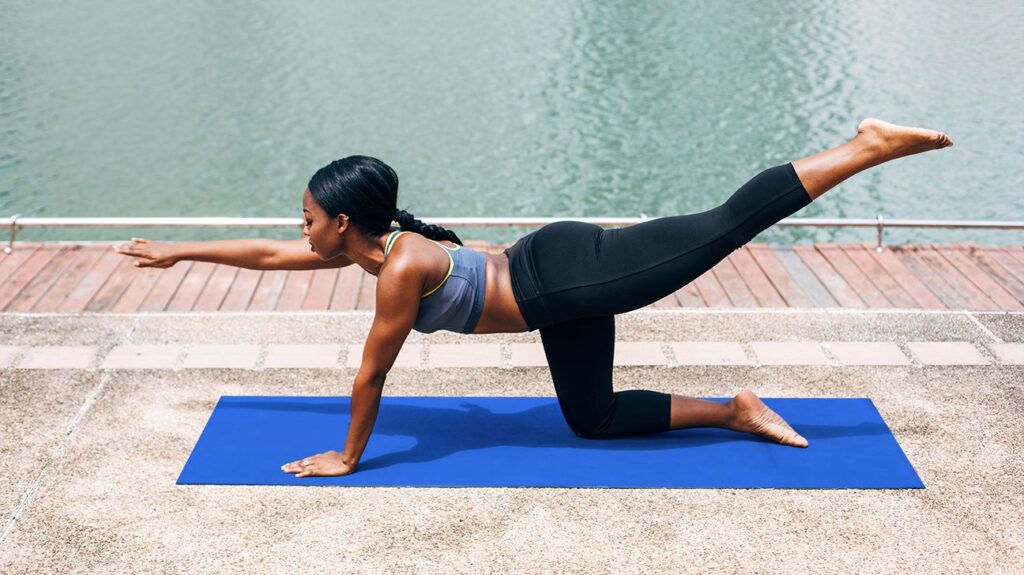
Yoga is a holistic practice that has numerous benefits for your body, mind, and emotions. Incorporating yoga into your lifestyle can lead to transformative changes in all aspects of your well-being. Let’s explore the various benefits that yoga can bring to your life.
Physical Benefits
The physical benefits of practicing yoga are vast and can have a profound impact on your overall health. Regular yoga practice can increase your flexibility, improve your balance and coordination, and enhance your strength. By engaging in yoga poses, known as asanas, you can stretch and tone your muscles, leading to improved posture and a more toned physique.
Additionally, yoga helps to improve your cardiovascular health. While some yoga styles may not be as intense as traditional cardiovascular exercises, they still challenge your heart and improve blood circulation. Regular yoga practice can also boost your metabolism, aiding in weight management and promoting a healthy body composition.
Mental Benefits
In addition to its physical rewards, yoga can also have a positive impact on your mental well-being. The practice of yoga encourages mindfulness and present moment awareness, allowing you to develop a greater sense of calm and inner peace. Through deep breathing techniques and meditation, yoga helps to reduce stress, anxiety, and even symptoms of depression.
Yoga also enhances your cognitive function, improving focus, concentration, and memory. By quieting the mind and reducing mental chatter, yoga can help you cultivate a sense of mental clarity and sharpness. As a result, you may find it easier to manage tasks, make decisions, and stay mentally engaged in your daily activities.
Emotional Benefits
Emotional well-being is another area where yoga can bring about significant positive changes. Regular yoga practice helps you connect with your emotions and cultivates self-awareness. This can lead to improved emotional intelligence, allowing you to navigate your emotions more effectively and make healthier choices.
Yoga also works on a deeper level by helping you release stored emotions and tension held in the body. Through various poses and breathwork, you can release stagnant energy and experience a greater sense of emotional balance and stability. Many practitioners find that yoga provides a safe and nurturing space to express and process emotions, which can be incredibly healing.
Frequency of Practice
When it comes to the frequency of practicing yoga, there is no one-size-fits-all answer. The optimal frequency will depend on your goals, schedule, and individual needs. Let’s explore some different options for incorporating yoga into your routine.
Daily Practice
Practicing yoga every day offers the most comprehensive benefits, as it allows you to fully immerse yourself in the practice. Daily yoga sessions enable you to build strength, flexibility, and mental focus more rapidly. It also provides an opportunity for consistent self-care and stress relief.
If you can commit to a daily practice, even for a short amount of time, you will experience the cumulative effects of yoga in your physical, mental, and emotional well-being. This consistent engagement with the practice can lead to profound transformations in every aspect of your life.
Every Other Day
If a daily practice feels overwhelming, practicing yoga every other day is a great alternative. This allows your body and mind to rest and recover in between sessions while still maintaining regularity. You can still experience many of the benefits of yoga with this frequency, although progress may be slightly slower compared to a daily routine.
Three Times a Week
If you have a busy schedule or other commitments, committing to yoga three times a week can be a realistic and manageable goal. This frequency still allows you to see progress in your practice and reap the benefits of increased flexibility, strength, and mental clarity.
While the benefits may not accumulate as quickly as with more frequent practice, consistent three-times-a-week yoga sessions will still significantly contribute to your overall well-being. Plus, you’ll have more time for recovery and rest on the days in between.
Once a Week
Even practicing yoga once a week can have a positive impact on your body and mind. Although progress may be slower and the benefits may take longer to manifest, a weekly session can still provide valuable stress relief, improved flexibility, and mental rejuvenation.
While less frequent practice may not offer the same depth of transformation as more regular practice, it can be a great starting point or a way to maintain your practice during especially busy periods in your life.
Duration of Practice
To fully experience the benefits of yoga, it is essential to find the right balance in terms of the duration of your practice. The duration will depend on your fitness level, goals, and available time. Let’s explore different options for practicing yoga at various durations.
Short Sessions
If you’re short on time or new to yoga, short sessions can be a great way to start incorporating the practice into your routine. Even just 10-15 minutes of yoga can make a difference in your day by helping you stretch and awaken your body, calm your mind, and set a positive tone for the day ahead.
Short sessions are ideal for those with busy schedules or those looking for a quick boost of energy and vitality. They can be done in the morning, during a lunch break, or as a relaxation session before bed.
30 Minutes
A 30-minute yoga practice provides a more comprehensive experience, allowing you to cover a wider range of poses and focus on both strength and flexibility. This duration is suitable for practitioners of all levels and can be easily integrated into your daily routine.
Thirty minutes of yoga allows enough time for warm-up, a balanced sequence of asanas, and a brief period of relaxation or meditation. You can choose to follow a pre-designed sequence or customize your practice based on your needs for the day.
60 Minutes
For those looking for a more thorough and immersive yoga experience, a 60-minute practice is ideal. This duration allows for a more extensive exploration of yoga postures, deeper stretching, and the opportunity to cultivate mindfulness through breathwork and meditation.
With a full hour dedicated to your yoga practice, you can incorporate more advanced poses, longer holds, and periods of restorative poses. This duration is perfect for those who want to explore the depths of their practice and experience the full benefits of yoga.
90 Minutes
A 90-minute yoga practice is often reserved for more advanced practitioners or those seeking a more profound and transformative experience. This extended duration allows for a comprehensive exploration of the body, mind, and breath.
With 90 minutes, you have ample time to refine challenging poses, explore specialized sequences or styles of yoga, and gain a deeper understanding of the foundations of the practice. This duration is commonly found in workshops or longer classes and retreats.
Intensity of Practice
Yoga can be practiced at varying intensities, allowing you to tailor your practice to your fitness level, goals, and desired experience. Whether you prefer a gentle, moderate, or advanced practice, there is a style of yoga suitable for you. Let’s explore the different intensities of yoga practice.
Gentle Yoga
Gentle yoga is a wonderful option for beginners, those recovering from an injury, or those seeking a more relaxing and nourishing practice. This style focuses on slow and mindful movements, gentle stretches, and supported poses.
Gentle yoga allows you to connect with your body, release tension, and cultivate a sense of inner peace. It is particularly beneficial for improving flexibility, reducing stress, and increasing overall well-being. This practice is accessible to individuals of all fitness levels and ages.
Moderate Yoga
Moderate yoga offers a balance of strength, flexibility, and relaxation. This intensity is suitable for those with some yoga experience and a moderate fitness level. Moderate yoga practices typically involve a mix of standing poses, seated poses, and inversions.
A moderate practice helps to build stamina, improve core strength, and enhance overall body awareness. This intensity is commonly found in general level classes and can be modified based on individual needs and abilities.
Advanced Yoga
Advanced yoga practice is characterized by challenging poses, longer holds, and a higher level of physical and mental engagement. This intensity is suitable for experienced practitioners who are looking to deepen their practice and explore more advanced postures.
Advanced yoga classes often incorporate arm balances, inversions, and advanced flowing sequences. This intensity helps to build strength, increase flexibility, and cultivate a greater sense of self-awareness and presence. It is essential to approach advanced yoga with caution and ensure proper preparation and warm-up.
Types of Yoga
Yoga encompasses a wide variety of styles, each offering a unique approach to the practice. Whether you prefer a slower, more alignment-focused practice or a high-energy, fast-paced flow, there is a type of yoga that suits your preferences and goals. Let’s explore some popular styles of yoga.
Hatha Yoga
Hatha yoga is the foundation of all yoga styles and focuses on the physical postures (asanas) and breathwork (pranayama). In a Hatha yoga class, you can expect a balanced combination of stretching, strengthening, and relaxation. This style is suitable for all levels and offers a slower-paced and more meditative experience.
Vinyasa Yoga
Vinyasa yoga is a dynamic and flowing style that connects breath with movement. In a Vinyasa class, you can expect a continuous sequence of poses, often linked by sun salutations. This style encourages fluidity, strength, and flexibility. Vinyasa yoga offers a more energetic and cardiovascular workout.
Bikram Yoga
Bikram yoga, also known as hot yoga, is practiced in a heated room (typically around 105 degrees Fahrenheit) and follows a specific sequence of 26 poses. This style promotes detoxification, flexibility, and improved cardiovascular health. Bikram yoga classes are 90 minutes long and provide a challenging and intense workout.
Ashtanga Yoga
Ashtanga yoga is a vigorous and structured style that follows a specific sequence of poses. The primary series is the foundational sequence, gradually building strength, flexibility, and focus. Ashtanga classes are typically self-led, with the teacher offering adjustments and modifications. This style is physically demanding and recommended for dedicated practitioners.
Iyengar Yoga
Iyengar yoga focuses on precision and alignment in the poses. This style utilizes props such as blocks, straps, and bolsters to assist in achieving the correct alignment and deepening the practice. Iyengar classes often involve longer holds, attention to detail, and intense focus. This style is suitable for all levels, particularly those who value proper alignment and therapeutic benefits.
Setting Goals
Setting goals can provide a sense of purpose and motivation in your yoga practice. Whether you’re looking to improve your physical fitness, reduce stress, or cultivate a deeper connection with yourself, setting clear goals can help guide your journey. Let’s explore different types of goals you can set in your yoga practice.
Physical Goals
Physical goals in yoga can include improving flexibility, increasing strength, or mastering challenging poses. You may strive to deepen your backbends, achieve a full split, or develop greater core stability. Setting physical goals can help you track progress, stay motivated, and celebrate milestones along the way.
It’s important to approach physical goals with a sense of patience and acceptance, acknowledging that progress may take time and vary from person to person. Yoga is not about comparison or competition but rather about honoring and celebrating your body’s unique abilities and limitations.
Mental Goals
Mental goals in yoga focus on cultivating mindfulness, improving focus, and finding mental clarity. You may set goals to develop a consistent meditation practice, learn relaxation techniques, or enhance your ability to stay present on and off the mat. These goals can bring immense benefits to your overall well-being and help manage stress and anxiety.
Incorporating meditation, breathwork, or mindfulness exercises into your yoga practice can support your mental goals. Consistency and patience are key in this aspect of the practice, as mental transformations often take time to unfold.
Emotional Goals
Emotional goals in yoga involve working with your emotions, cultivating self-awareness, and improving emotional intelligence. You may set goals to release stored emotions, develop a greater sense of inner peace, or build resilience in the face of challenges. By setting emotional goals, you can create a safe and nurturing space to explore and process your feelings.
Yoga offers various techniques such as breathwork, meditation, and specific poses that help release emotional tension. By embracing your emotions and listening to your inner self, you can nurture a healthier and more balanced emotional state.

Listening to Your Body
Listening to your body is a fundamental aspect of practicing yoga safely and effectively. Your body holds immense wisdom and will guide you in making choices that honor its unique needs and limitations. Let’s explore some essential considerations for listening to your body during your yoga practice.
Recognizing Limits
Recognizing your limits in yoga involves understanding your body’s current abilities and respecting its boundaries. It’s crucial to remember that yoga is not about pushing yourself to the point of pain or discomfort. Instead, it’s about gently challenging yourself while still maintaining a sense of ease and connection.
By tuning in and listening to the sensations in your body, you can identify when you’re pushing too hard or when it’s appropriate to explore new possibilities. Observing your breath, watching for signs of strain or discomfort, and practicing self-compassion can all aid in recognizing and respecting your limits.
Avoiding Overexertion
Overexertion in yoga can lead to injury, fatigue, and burnout. It’s important to find a balance between effort and relaxation, allowing yourself to challenge your body without going beyond what is comfortable and safe. Pushing too hard can hinder progress and potentially derail your yoga journey.
Respecting your body’s need for rest and recovery is essential in avoiding overexertion. Taking breaks, modifying poses as needed, and adjusting the intensity of your practice can help you find the optimal balance. Remember, yoga is a lifelong practice, and sustainable progress requires patience and self-care.
Modifying Poses
Modifying poses is a valuable tool in yoga that allows you to adapt the practice to your individual needs and abilities. Not every pose will be accessible or suitable for everyone, and that’s perfectly okay.Modifications can be made to accommodate physical limitations, injuries, or simply to make a pose more accessible.
Listening to your body and modifying poses accordingly ensures that you’re practicing safely and effectively. This may involve using props such as blocks, straps, or blankets to support your body in poses or choosing alternative variations that still offer the intended benefits.
Combining Yoga with Other Activities
While yoga on its own provides a comprehensive practice, it can also complement and enhance other activities and forms of exercise. Integrating yoga into your fitness routine or combining it with other mindfulness practices can provide a well-rounded approach to your well-being. Let’s explore some common combinations of yoga with other activities.
Strength Training
Yoga and strength training can be a powerful combination, as they work synergistically to improve overall fitness. Yoga builds functional strength, flexibility, and stability, which directly benefit strength training exercises. Incorporating yoga into your strength training routine can enhance your performance, prevent injuries, and improve muscle recovery.
By adding yoga poses that target specific muscle groups or focusing on yoga flows that challenge your strength, you can create a balanced and holistic workout regimen.
Cardiovascular Exercise
Yoga may not be recognized as a traditional cardiovascular exercise, but certain styles and sequences can still elevate your heart rate and provide cardiovascular benefits. Combining yoga with other forms of cardiovascular exercise, such as running, swimming, or cycling, can help you achieve a well-rounded fitness routine.
For example, practicing Vinyasa or Power yoga can provide a more vigorous cardiovascular workout, while restorative or Yin yoga can be an excellent complement to low-intensity cardio activities.
Meditation
Meditation and yoga are deeply intertwined practices that both cultivate mindfulness and inner awareness. Incorporating meditation into your yoga routine can deepen your practice and enhance its transformative potential. By dedicating time to stillness and silence, you can expand your ability to be present, observe your thoughts, and find inner calm.
Combining yoga and meditation can be as simple as ending your physical practice in a seated meditation pose or incorporating specific meditation techniques during asana practice. This integration can support your mental and emotional well-being and deepen your connection with yourself.
Pilates
Pilates and yoga share many similarities in their focus on core strength, body awareness, and mindful movement. While each practice has its unique approach and emphasis, combining the two can offer a synergistic and comprehensive workout.
The controlled and precise movements of Pilates can complement and enhance the fluidity and flow of yoga. This combination can strengthen your core, enhance stability and alignment, and improve overall body control and coordination.
Individual Differences
As with any physical activity, it’s essential to consider your individual characteristics and needs when practicing yoga. Everyone is unique, and certain factors, such as age, fitness level, body type, and health conditions, can influence your yoga practice. Let’s explore how these individual differences can be taken into account.
Age
Age should not be a limiting factor in practicing yoga. Yoga is suitable for individuals of all ages and can be adapted to meet the specific needs and abilities of older adults. As we age, practicing yoga becomes even more beneficial, helping to maintain flexibility, improve balance, and support cognitive function.
When practicing yoga at an older age, it’s important to be mindful of any specific health conditions or physical limitations. Choosing appropriate yoga styles, modifying poses as needed, and seeking guidance from a qualified instructor can ensure a safe and enjoyable practice.
Fitness Level
Your current fitness level will influence the intensity and duration of your yoga practice. If you’re new to exercise or have a lower fitness level, it’s advisable to start with more gentle or beginner-friendly yoga styles and gradually progress from there. This approach allows your body to acclimate to the practice and reduces the risk of injury.
If you’re already active and have a higher fitness level, you may feel comfortable exploring more vigorous or advanced yoga styles. However, even experienced athletes can benefit from slower and more mindful practices to balance their overall fitness routine.
Body Type
Every body is unique and has its own strengths, limitations, and proportions. Yoga is an inclusive practice that can be adapted to accommodate different body types. Whether you have a larger frame, are petite, or fall somewhere in between, yoga offers modifications and variations to suit your specific needs.
It’s important to practice self-acceptance and body positivity in yoga, honoring your body just as it is. Emphasizing proper alignment, using props when necessary, and working with a knowledgeable instructor can help you find the most beneficial and comfortable approach to the practice.
Health Conditions
Certain health conditions may require modifications or specific considerations when practicing yoga. If you have any chronic health conditions, injuries, or limitations, it’s essential to consult with a healthcare professional or a qualified yoga instructor before starting or modifying your practice.
A qualified instructor can help guide you in adapting the practice to your specific needs, ensuring that you’re practicing safely and effectively. Yoga can often be modified to accommodate a wide range of health conditions, promoting healing, reducing symptoms, and supporting overall well-being.
Patience and Consistency
Incorporating yoga into your lifestyle is a lifelong journey that requires patience, consistency, and a compassionate mindset. Progress in yoga is not measured solely by achieving advanced poses or increasing flexibility; it’s about the transformative effects the practice has on your overall well-being. Let’s explore the importance of patience and consistency in your yoga journey.
Progress Takes Time
Yoga is a practice that unfolds gradually over time, and progress looks different for each individual. It’s important to approach your yoga journey with patience and release expectations of immediate results. Instead, focus on the present moment and the process of self-discovery.
By staying committed and embracing the small milestones along the way, you will experience the true essence of yoga – the journey of self-transformation.
Staying Committed
Consistency is key in reaping the full benefits of yoga. While it’s natural to have fluctuations in your practice due to various life circumstances, making a commitment to regularity will enhance your experience and progress. Show up on your mat, even on days when you don’t feel like it, and trust the process.
Creating a consistent yoga routine allows your body and mind to adapt and integrate the practice into your daily life. It helps establish a sense of discipline and nurtures a deep sense of self-care and self-love.
By making yoga a priority and treating it as an essential part of your well-being, you open yourself up to the countless transformative possibilities that lie within the practice.
Conclusion
Yoga offers a multitude of benefits for your physical, mental, and emotional well-being. The flexibility and adaptability of yoga make it accessible to individuals of all ages, fitness levels, and body types. By exploring different frequencies, durations, intensities, and styles of yoga, you can tailor the practice to your unique needs and goals.
Listening to your body, setting realistic goals, and combining yoga with other activities can further enhance the transformative power of the practice. Whether you choose to practice daily or once a week, for short sessions or longer durations, the key is to stay committed, be patient, and embrace the journey of self-discovery.
Allow yoga to become a way of life, permeating every aspect of your being, and witness the remarkable positive changes it brings to your mind, body, and soul. With consistency and an open heart, the benefits of yoga will continue to unfold and support you throughout your entire life.