


You’ve recently started practicing yoga and you’re eager to see the results. But just how long do you need to wait before you start noticing a difference? This article explores the timeline for seeing yoga results, from increased flexibility to improved strength and overall well-being. Whether you’re a beginner or more experienced yogi, understanding the timeframe for seeing results can help you set realistic expectations and stay motivated on your yoga journey.
Factors Affecting Yoga Results
When it comes to seeing results from your yoga practice, there are several factors that can influence the outcome. Understanding these factors can help you set realistic expectations and make the most of your yoga journey.
Physical Condition
Your physical condition plays a significant role in the results you can expect from yoga. If you already have a good level of strength and flexibility, you may see faster progress in poses and experience a greater range of motion. However, if you have limited flexibility or strength, it may take more time and effort to see noticeable improvements. Remember, everyone’s starting point is different, so be patient with yourself and focus on your own progress.
Frequency of Practice
Consistency is key when it comes to seeing results from yoga. Practicing yoga on a regular basis, such as two to three times a week, is generally recommended to see progress. The more often you practice, the more your body and mind will adapt to the practice, leading to increased strength, flexibility, and overall well-being.
Consistency
Consistency goes hand in hand with frequency. It’s not enough to practice yoga occasionally and expect significant results. To see changes in your body and mind, it’s important to maintain a consistent yoga practice over an extended period. Consistency builds upon itself, allowing you to deepen your practice and experience the transformative benefits of yoga.
Intensity of Practice
The intensity of your yoga practice can also influence the results you achieve. While gentle yoga can be beneficial for relaxation and stress reduction, a more vigorous and challenging practice can help build strength and increase flexibility. It’s important to find a balance that suits your individual needs and goals. If you’re unsure about the intensity level that’s right for you, consult with a qualified yoga instructor who can guide you.
Duration of Practice
The duration of your yoga practice can also impact the results you see. Longer practice sessions allow for a greater exploration of poses, deeper relaxation, and increased focus. However, even short sessions can be beneficial, especially when starting out. If you’re short on time, try to incorporate shorter, more frequent sessions into your routine to maintain the consistency of your practice.
Level of Difficulty
The level of difficulty in your yoga practice can affect the results you achieve. As you progress, you may find yourself naturally gravitating towards more challenging poses and sequences. Challenging yourself can lead to increased strength, flexibility, and mental focus. However, it’s important to listen to your body and avoid pushing yourself too hard, as this can lead to injury. Always respect your limits and work within your own capabilities.
Mind-Body Connection
One of the unique aspects of yoga is the emphasis on the mind-body connection. Developing a strong mind-body connection is essential for experiencing the full benefits of yoga. By focusing on your breath, being present, and tuning into the sensations in your body, you can cultivate a deeper awareness of yourself. The more you connect with your body and mind during your practice, the more profound and transformative your yoga experience will be.
Mental Focus
Yoga is not only a physical practice but also a mental one. The ability to remain mentally focused and present during your practice can greatly enhance the results you see. By letting go of distractions and fully immersing yourself in the present moment, you can deepen your concentration and cultivate a state of flow. This heightened mental focus can have a positive impact on other areas of your life, improving your ability to concentrate and be fully present in your daily activities.
Breathing Techniques
Breathing techniques, also known as pranayama, are an integral part of yoga practice. Different breathing techniques can have various effects on your body and mind. For example, deep belly breathing can promote relaxation and stress reduction, while energizing breaths can invigorate and boost energy levels. Incorporating specific breathing techniques into your practice can help enhance the results you experience.
Instructor or Guidance
Having a knowledgeable and experienced yoga instructor or guidance can greatly influence the results you see from your practice. An instructor can provide proper alignment cues, modifications for different levels, and personalized guidance to help you progress effectively and safely. If you’re practicing at home, consider following online classes or using instructional videos to ensure you’re receiving proper guidance.
Physical Changes
Alongside the mental and emotional benefits, yoga can also bring about a variety of physical changes. Here are some of the physical benefits you may experience through regular yoga practice:
Improved Flexibility
Flexibility is one of the most noticeable physical changes that can occur through yoga. As you continue to practice, you’ll find that your muscles become more supple and resistant to tightness. This not only allows you to perform yoga poses with greater ease and grace but also carries over into your everyday life, making movements like bending and reaching more comfortable.
Increased Strength
Yoga helps build strength throughout your entire body, including your core, arms, legs, and back. As you flow through poses, you engage your muscles and gradually build strength over time. This increased strength contributes to better posture, improved balance, and enhanced overall physical performance.
Mental Clarity
While yoga is primarily a physical practice, it also has a profound impact on mental clarity. Through the combination of movement and breath, yoga helps quiet the mind and promote mental relaxation. This improved mental clarity not only benefits your yoga practice but also carries over into your daily life, helping you make better decisions and stay focused.
Enhanced Balance
Balance is essential for everyday activities and becomes even more crucial as we age. Regular yoga practice helps improve balance by strengthening the muscles that support stability. Additionally, many yoga poses require concentration and focus, which further enhances your balance and coordination skills.
Improved Posture
As you develop greater strength and flexibility through yoga, you’ll naturally improve your posture. By lengthening and strengthening the muscles in your back and core, yoga helps counteract the negative effects of prolonged sitting and poor posture. Good posture not only enhances your physical appearance but also contributes to optimal spinal alignment and overall well-being.
Weight Loss
While yoga alone is not typically considered a high-intensity workout for weight loss, it can be a valuable tool in supporting your overall weight management goals. Regular yoga practice can increase your awareness of your body and make you more conscious of the choices you make regarding nutrition and physical activity. Yoga also increases muscle tone and boosts metabolism, which can aid in weight loss efforts.
Toned Muscles
In addition to building strength, yoga also helps tone your muscles. As you engage in various yoga poses, you’ll notice an improvement in muscle definition and firmness. Toned muscles not only contribute to a more sculpted appearance but also support your overall physical performance and stability.
Reduced Inflammation
Inflammation is a common underlying factor in many chronic diseases. Yoga has been shown to help reduce inflammation in the body through its stress-relieving effects. By reducing stress levels and promoting relaxation, yoga can positively impact your body’s inflammatory response and support overall health and well-being.
Increased Energy
Yoga can be a great source of natural energy. By incorporating flowing sequences and deep breathing into your practice, you stimulate your body, increase blood circulation, and awaken your energy centers. This increased energy can help you feel more alert, focused, and revitalized throughout the day.
Improved Sleep
Quality sleep is essential for overall well-being, and yoga can help improve your sleep patterns. Through its relaxation and stress reduction effects, yoga promotes better sleep by calming the mind and preparing the body for rest. By incorporating a calming evening yoga routine, you can enhance your sleep quality and wake up feeling refreshed.
Overall, the physical changes that can result from a consistent yoga practice are diverse and far-reaching. Whether you’re looking to increase flexibility, build strength, or enhance your overall well-being, regular yoga practice can help you achieve your goals.
Mental and Emotional Changes
In addition to the physical benefits, yoga is renowned for its positive impact on mental and emotional well-being. Engaging in a regular yoga practice can bring about a variety of mental and emotional changes:
Stress Reduction
Yoga is widely recognized for its ability to reduce stress levels. Through the combination of movement, breathwork, and mindfulness, yoga helps activate the parasympathetic nervous system, commonly known as the rest-and-digest response. By activating this relaxation response, yoga helps lower stress hormones and promote a sense of calm and tranquility.
Improved Mood
Regular yoga practice has been shown to have a positive impact on mood and emotional well-being. The combination of movement, breath awareness, and mindfulness helps release endorphins, the “feel-good” hormones that contribute to a sense of happiness and well-being. Engaging in yoga can be an effective way to lift your spirits and improve your overall mood.
Better Concentration
The focus required during yoga practice can enhance your concentration skills. As you move through poses and stay present with your breath, you train your mind to stay focused and attentive. This improved concentration can carry over into other areas of your life, helping you stay focused at work or school and improving your overall productivity.
Enhanced Self-awareness
Yoga encourages you to tune in and listen to your body. As you become more attuned to the sensations and feedback from your body, you develop a deeper level of self-awareness. This increased self-awareness can help you make healthier choices, both on and off the mat, and lead to a greater understanding of your own needs and desires.
Increased Confidence
Regularly practicing yoga can boost your self-confidence. As you progress in your practice and achieve new poses or flows, you gain a sense of accomplishment and empowerment. This sense of achievement carries over into other aspects of your life, giving you the confidence to take on challenges and pursue your goals with determination.
Relief from Anxiety
Yoga can be a powerful tool for managing anxiety. The combination of movement, breathwork, and mindfulness helps redirect your focus away from anxious thoughts and into the present moment. By engaging in yoga regularly, you can develop coping mechanisms to navigate anxiety and experience a greater sense of calm and peace.
Enhanced Mindfulness
Yoga is rooted in the practice of mindfulness, which involves cultivating awareness of the present moment without judgment. By incorporating mindfulness into your yoga practice, you learn to bring this state of presence and non-judgment into other areas of your life. This enhanced mindfulness can promote a greater sense of peace and contentment.
Improved Emotional Well-being
Regular yoga practice has been shown to have a positive impact on emotional well-being. By reducing stress, increasing self-awareness, and promoting relaxation, yoga helps create a more balanced emotional state. This improved emotional well-being allows you to navigate life’s challenges with greater resilience and find joy in the present moment.
Better Coping Mechanisms
Engaging in yoga provides a toolkit of coping mechanisms that can be applied to various situations and challenges. By learning to tune in to your breath, move mindfully, and find stillness within, you develop the ability to navigate difficult emotions and find a sense of calm. These coping mechanisms can be valuable in managing stress, anxiety, and other emotional struggles.
Reduced Depression Symptoms
Yoga has been shown to have a positive impact on symptoms of depression. The combination of movement, breathwork, and mindfulness helps increase feel-good hormones, such as serotonin and dopamine, while reducing stress hormones like cortisol. This balance of neurotransmitters can contribute to a decrease in depressive symptoms and an overall improvement in mood.
Incorporating yoga into your routine can bring about substantial mental and emotional changes. From stress reduction to increased self-confidence, the mental and emotional benefits of regular yoga practice can have a lasting impact on your overall well-being.
Short-Term Results
While long-term commitment to yoga yields significant and lasting benefits, engaging in a regular yoga practice can also bring about short-term results. These short-term benefits can add up over time and contribute to your overall well-being. Some short-term results of regular yoga practice include:
Increased Relaxation
Yoga is known for its ability to promote relaxation and induce a sense of calm. Engaging in yoga even for a short period can help you unwind and reduce stress levels. By focusing on your breath and moving mindfully, you create a space for relaxation to occur.
Feel-Good Sensation
After a yoga practice, many people experience a sense of contentment and well-being. This “yoga high” is often attributed to the release of endorphins and the activation of the parasympathetic nervous system. The immediate feel-good sensation can leave you feeling uplifted and positive.
Reduced Muscle Soreness
Yoga can help alleviate muscle soreness and stiffness, especially when combined with gentle stretching and mindfulness. The combination of movement, breathwork, and relaxation techniques helps increase blood flow to your muscles, aiding in their recovery and reducing muscle soreness.
Improved Range of Motion
A single yoga session can enhance your range of motion and flexibility, even if only temporarily. By gradually moving your body through different poses, you help release tension, increase blood circulation, and improve the joint’s range of motion. This improved range of motion can have a positive impact on your overall physical performance.
Boosted Energy Levels
The combination of movement, breathwork, and mindfulness in yoga can help boost your energy levels. Engaging in a yoga session, even for a short period, can leave you feeling more alert, focused, and revitalized. This natural energy boost is a result of increased blood circulation and the activation of your energy centers.
Improved Digestion
Certain yoga poses and movements can stimulate the digestive system and aid in digestion. By incorporating gentle twists, forward folds, and inversions into your practice, you can help improve digestion, relieve bloating, and promote a healthy digestive system. A single yoga session can offer immediate relief and comfort.
Enhanced Circulation
Yoga promotes healthy blood circulation throughout your body. The combination of movement, conscious breathing, and relaxation techniques helps enhance circulation by increasing blood flow to different areas of your body. This increased circulation can support your cardiovascular health and contribute to an overall improved sense of well-being.
Reduced Stress and Tension
One of the most immediate benefits of yoga is the reduction of stress and tension in the body and mind. A single yoga session can help release physical and mental tension, leaving you feeling more relaxed and centered. The combination of movement, breathwork, and mindfulness activates the parasympathetic nervous system and lowers the production of stress hormones.
Heightened Mindfulness
Engaging in a yoga session helps cultivate mindfulness and present-moment awareness. By focusing on your breath, body sensations, and movement, you tap into a state of mindfulness. This heightened mindfulness enhances your ability to be fully present and attentive, both during your practice and in your daily life.
Improved Body Awareness
Yoga encourages you to develop a deeper awareness and connection with your body. By tuning in to the sensations and feedback from your body during a yoga session, you increase your body awareness. This improved body awareness leads to better postural alignment, increased proprioception, and heightened sensitivity to your body’s needs.
While short-term results are not as profound as long-term changes, they offer a glimpse into the transformative power of yoga. These immediate benefits can motivate you to continue your yoga practice and deepen your commitment to your overall well-being.
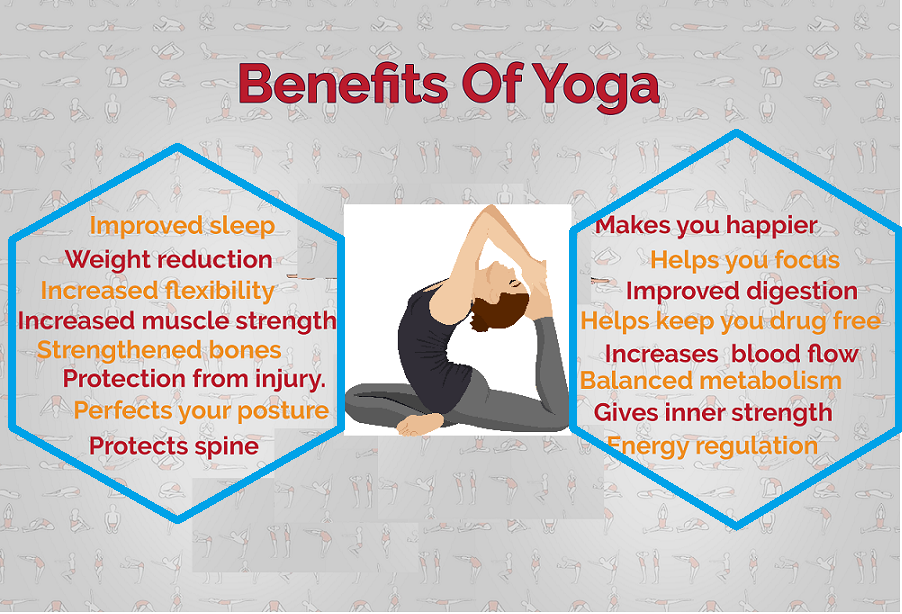
Medium-Term Results
Engaging in a regular yoga practice over a medium-term period can bring about more substantial and noticeable results. These medium-term benefits of yoga encompass a range of physical, mental, and emotional changes:
Improved Flexibility
Consistent practice over several weeks or months can lead to improved flexibility. Regular stretching and movement help lengthen your muscles, increase joint mobility, and enhance your overall range of motion. This improved flexibility allows you to move more freely and perform yoga poses with greater ease.
Increased Strength
As you continue to engage in regular yoga practice over the medium term, you’ll gradually build strength throughout your entire body. The combination of holding poses, flowing through sequences, and engaging your muscles builds strength and muscle tone. This increased strength improves your physical performance and supports overall stability and balance.
Enhanced Balance and Stability
Regular yoga practice improves balance and stability over time. By incorporating balancing poses and movements into your practice, you strengthen the muscles that support stability and enhance your proprioception. This heightened balance and stability can have a positive impact on your overall physical performance and reduce the risk of falls or injuries.
Better Posture
As you strengthen your core and back muscles through regular yoga practice, you’ll notice an improvement in your posture. A stronger core and back help support proper alignment and spinal health, correcting the imbalances caused by prolonged sitting or poor posture. Better posture contributes to optimal breathing, enhanced physical appearance, and overall well-being.
Weight Management
Engaging in a regular yoga practice can support weight management efforts over the medium term. While yoga alone may not result in significant weight loss, it can increase your body awareness, promote mindful eating, and support a healthy lifestyle. The mind-body connection cultivated through yoga practice contributes to making conscious choices regarding nutrition and physical activity.
Toned Muscles
Consistent engagement in yoga helps tone and sculpt your muscles. As you engage in various yoga poses that require strength and stability, you gradually build muscle tone. The combination of strength training and stretching leads to leaner and more defined muscles throughout your body.
Increased Cardiovascular Endurance
Yoga can also contribute to improved cardiovascular endurance over the medium term. While not as intense as high-impact cardio exercises, yoga allows you to challenge your cardiovascular system through flowing sequences and faster-paced movements. This increased cardiovascular endurance carries over into other physical activities and supports your overall health.
Enhanced Immune System
Regular yoga practice has been shown to have a positive impact on the immune system. The combination of movement, breathwork, and mindfulness improves circulation, reduces stress hormones, and promotes relaxation. This overall improvement in your physical and mental well-being supports a healthy immune system and helps prevent illness.
Improved Digestive Health
Yoga can have a positive effect on your digestive system over the medium term. By incorporating specific poses and movements that stimulate digestion, such as twists and forward folds, you can help relieve digestive discomfort and promote healthy digestion. Additionally, the relaxation and stress reduction benefits of yoga can enhance overall gut health.
Reduced Back Pain
Engaging in regular yoga practice can bring relief from back pain over time. The combination of gentle stretching, strengthening, and focus on spinal alignment helps alleviate tension and promote better posture. This reduction in back pain contributes to improved mobility and overall well-being.
Through medium-term commitment to yoga, you can experience transformative changes in both your physical and mental well-being. Improved flexibility, increased strength, enhanced balance, and reduced back pain are just a few of the benefits that can be realized through consistent practice.
Long-Term Results
Long-term commitment to a regular yoga practice yields profound and lasting results. By embracing yoga as a lifestyle and engaging in regular practice over an extended period, you can experience a range of transformative changes:
Deepened Mind-Body Connection
One of the most significant long-term results of regular yoga practice is a deepened mind-body connection. Through continued engagement in yoga, you develop a profound awareness of the subtle connections between your body, breath, and mind. This deepened mind-body connection leads to a greater understanding of yourself and cultivates a sense of unity and harmony.
Enhanced Mental Focus
Over time, regular yoga practice helps sharpen your mental focus and concentration skills. By consistently practicing mindfulness and staying present during your yoga sessions, you improve your ability to focus and concentrate, not only on the mat but also in your daily life. This enhanced mental focus can have a positive impact on academic or professional endeavors.
Advanced Yoga Poses
With long-term dedication and consistent practice, you can progress to more advanced yoga poses. As you build strength, flexibility, and balance over time, you’ll be able to explore more challenging asanas and achieve poses that may have seemed impossible before. This progression in your practice brings a sense of accomplishment and self-confidence.
Improved Physical Performance
Engaging in yoga over the long term can greatly enhance your overall physical performance. The combination of increased strength, flexibility, balance, and cardiovascular endurance gained through regular practice translates into improved performance in other sports and physical activities. Yoga helps you develop a strong and resilient body that can adapt to various physical demands.
Increased Self-confidence
Long-term dedication to yoga can boost your self-confidence. As you overcome challenges and achieve new milestones in your practice, you’ll experience a sense of accomplishment and self-belief. This increased self-confidence extends beyond the mat, helping you navigate life’s challenges with resilience and self-assurance.
Positive Body Image
Yoga promotes a positive body image by emphasizing self-acceptance and self-care. Regular practice cultivates a deep appreciation for your body’s abilities and fosters a loving relationship with yourself. Over time, this positive body image transcends physical appearance, leading to a greater sense of self-worth and acceptance.
Enhanced Overall Well-being
The combined physical, mental, and emotional benefits of yoga contribute to enhanced overall well-being. By cultivating balance in all areas of your life through regular yoga practice, you experience a profound sense of peace, contentment, and happiness. This enhanced overall well-being permeates all aspects of your life, leading to a more fulfilling and meaningful existence.
Reduced Risk of Injuries
Engaging in a regular yoga practice over the long term helps strengthen your muscles, improve flexibility, and enhance stability. These physical benefits reduce the risk of injuries in daily life and other physical activities. The increased body awareness gained through yoga also helps you recognize and address potential imbalances or weaknesses that could lead to injuries.
Balanced Emotions
Consistent yoga practice helps cultivate emotional balance and equanimity. By learning to observe and accept your emotions without judgment during your practice, you develop the tools to navigate difficult emotions in your everyday life. This emotional balance leads to greater resilience, improved interpersonal relationships, and a greater sense of inner peace.
Greater Inner Peace
Ultimately, long-term commitment to yoga brings about a greater sense of inner peace. The combination of physical movement, breathwork, mindfulness, and self-reflection nurtures a calm and centered state of being. This state of inner peace allows you to navigate life’s challenges with grace and find joy in the present moment.
By embracing yoga as a lifestyle and committing to regular practice over the long term, you can experience transformative changes that extend far beyond the physical realm. The deepened mind-body connection, enhanced mental focus, and overall well-being gained through yoga contribute to a more balanced and fulfilling life.

Conclusion
Embarking on a yoga journey requires patience, perseverance, and a realistic understanding of what to expect. By considering the various factors that influence yoga results, such as physical condition, frequency of practice, and intensity, you can set realistic expectations and make the most of your practice.
Yoga offers a vast array of physical, mental, and emotional benefits, each with its own timeline of development. Short-term results, such as increased relaxation and improved range of motion, can be experienced after just a single yoga session. Medium-term results, like enhanced flexibility and increased cardiovascular endurance, typically manifest after several weeks or months of consistent practice. Long-term commitment to yoga yields profound and lasting results, including a deepened mind-body connection, enhanced mental focus, and improved overall well-being.
Remember, every individual is unique, and the timeline for experiencing yoga results may vary. It’s important to listen to your body, progress at your own pace, and embrace the journey as the destination. Through patience, perseverance, and continuous improvement, yoga can become a transformative and lifelong practice that supports your physical, mental, and emotional well-being. Embrace yoga as a holistic lifestyle and enjoy the multitude of benefits it offers.