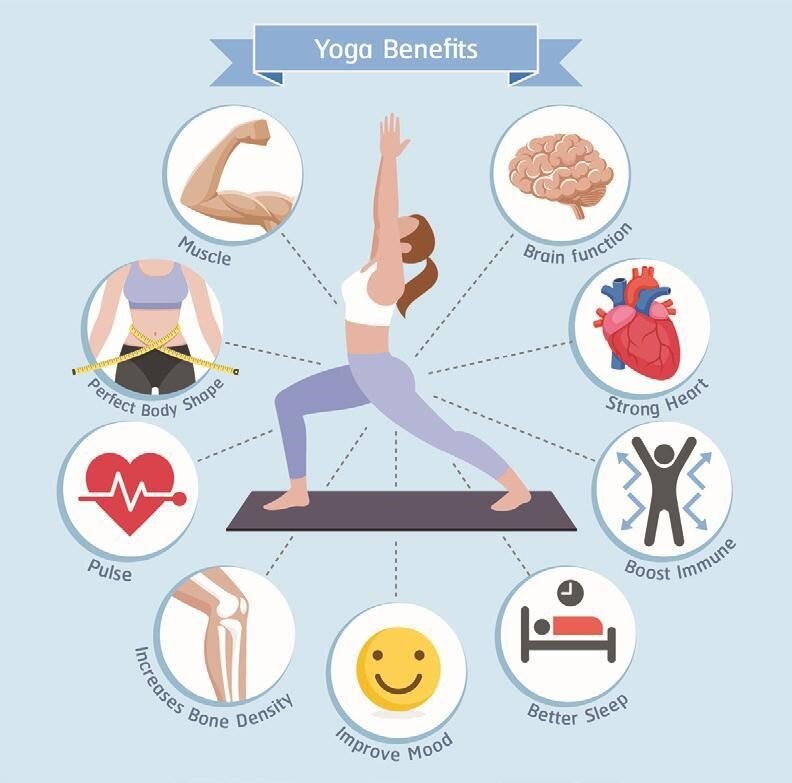
Today, we’re going to explore the significance of yoga and why it holds such great importance in our lives. From enhancing physical fitness to promoting mental well-being, yoga has become an essential practice for people across the globe. Whether you’re a beginner or an experienced practitioner, this ancient discipline offers a unique blend of relaxation, exercise, and mindfulness that can truly transform your life. So, let’s embark on this enlightening journey and uncover why yoga is so crucial for our overall health and happiness.
Physical Benefits of Yoga
Improves flexibility
Yoga is known for its ability to improve flexibility in the body. Through various poses and stretches, yoga helps to lengthen and stretch the muscles, making them more flexible over time. Improved flexibility not only allows for greater range of motion in the joints, but it also helps to prevent muscle imbalances and reduce the risk of injury.
Builds strength
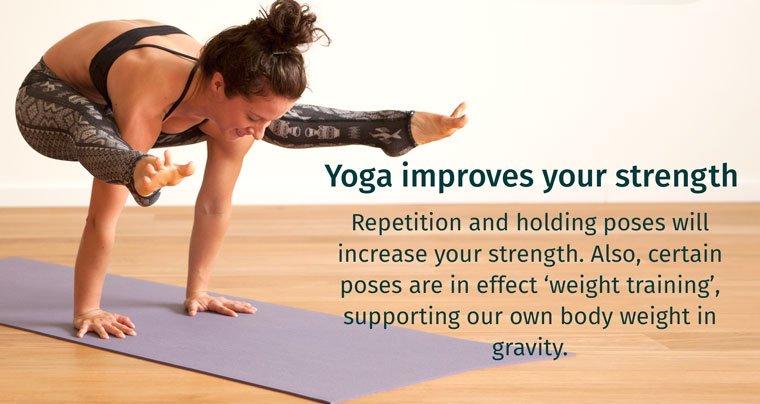
Contrary to popular belief, yoga is not just about stretching. It also helps to build strength in the body. Many yoga poses require you to engage and hold certain muscles, which strengthens and tones them. Additionally, practicing yoga regularly can increase your overall muscle endurance and stamina.
Increases balance and coordination
Yoga is a great exercise for improving balance and coordination. Many yoga poses require you to stand on one leg or maintain a steady position, which challenges your balance. By practicing yoga and improving your balance skills, you can reduce the risk of falls and improve your overall coordination.
Promotes weight loss
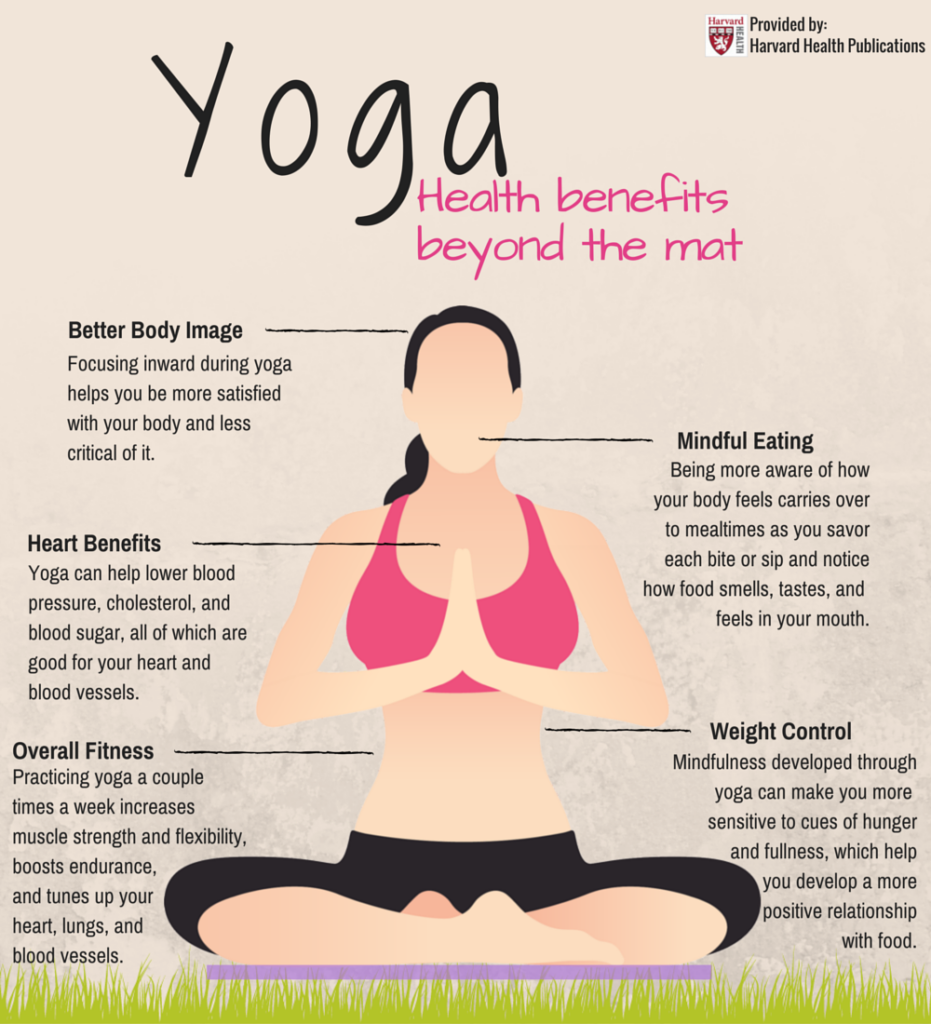
While yoga may not be as intense as other forms of exercise when it comes to calorie burning, it can still contribute to weight loss when practiced regularly. Yoga helps to increase your metabolism, tone your muscles, and improve your body composition. Additionally, yoga can help to reduce stress-related eating and improve your overall mindfulness when it comes to food choices.
Boosts cardiovascular health
Although yoga is not a high-intensity cardiovascular exercise, it can still have positive effects on your cardiovascular health. Certain types of yoga, such as Vinyasa or Power Yoga, involve more dynamic movements and can increase your heart rate. Regular yoga practice can improve circulation, lower blood pressure, and reduce the risk of heart disease.
Enhances immune system
The practice of yoga has been shown to have a positive impact on the immune system. The combination of physical movement, deep breathing, and relaxation helps to reduce stress hormones in the body, which can suppress the immune system. Regular yoga practice can enhance the functioning of various immune cells, promoting overall health and well-being.
Improves digestion
Yoga can help to improve digestion and promote a healthy digestive system. Certain poses and twists in yoga stimulate the digestive organs, improving their function and aiding in the elimination of waste. Additionally, the practice of deep breathing in yoga can help to relax the body and reduce stress, which can have a positive impact on digestion.
Helps manage chronic pain
For individuals suffering from chronic pain, yoga can be a valuable tool for pain management. The gentle movements and stretches in yoga help to increase blood flow, release tension, and improve flexibility, which can alleviate pain and discomfort. Additionally, the mindfulness and relaxation techniques in yoga can help individuals better cope with and manage pain.
Supports healthy aging
As we age, it becomes increasingly important to maintain a healthy and active lifestyle. Yoga can be a great form of exercise for seniors as it is low-impact, gentle on the joints, and adaptable to individual abilities. Regular yoga practice can improve strength, flexibility, balance, and overall mobility, promoting healthy aging and improving quality of life.
Assists in injury prevention
One of the key benefits of yoga is its ability to assist in injury prevention. By improving flexibility, strength, and balance, yoga helps to increase stability and reduce the risk of accidents and injuries. Additionally, the mindfulness and body awareness cultivated in yoga can help individuals recognize and correct improper movement patterns, further reducing the risk of injury.
Mental and Emotional Benefits of Yoga
Reduces stress and anxiety
In today’s fast-paced world, stress and anxiety have become common challenges for many individuals. Yoga provides a refuge from the hustle and bustle of daily life, offering a space to relax and unwind. The combination of physical movement, deep breathing, and meditation in yoga helps to activate the body’s relaxation response, reducing stress hormones and promoting a sense of calm and well-being.
Promotes relaxation and better sleep
Yoga can be a powerful tool for promoting relaxation and improving sleep quality. The practice of yoga is often accompanied by deep breathing and gentle movements, which help to relax the body and mind. Regular yoga practice can regulate the body’s stress response and promote healthier sleep patterns, leading to better overall sleep quality and increased energy levels.
Enhances self-awareness
Yoga encourages self-reflection and introspection, allowing individuals to deepen their self-awareness. Through the practice of yoga, you learn to listen to your body, observe your thoughts, and become more aware of your emotions. This enhanced self-awareness can lead to a better understanding of oneself, improved decision-making, and increased self-acceptance.
Improves concentration and focus
In our modern world, it can be challenging to maintain focus and concentration amidst various distractions. Yoga can help to improve concentration and focus through the practice of mindfulness and breath awareness. By bringing your attention to the present moment and focusing on your breath and bodily sensations, you can cultivate a state of heightened awareness and mental clarity.
Boosts mood and overall well-being
Regular yoga practice has been shown to have a positive impact on mood and overall well-being. The combination of physical movement, deep breathing, and relaxation in yoga releases endorphins, also known as “feel-good” hormones, which can improve mood and reduce feelings of anxiety and depression. Additionally, the social aspect of yoga, such as practicing in a group or connecting with like-minded individuals, can further enhance well-being.
Improves mental clarity and memory
Yoga is not only beneficial for the body; it also has positive effects on the mind. The practice of yoga, particularly mindfulness-based practices, has been shown to improve mental clarity and memory. By focusing your attention and reducing mental distractions, you can enhance cognitive function, improve information processing, and better retain and recall information.
Helps manage depression
Depression is a common mental health condition that can significantly impact one’s quality of life. Yoga can be an effective complementary therapy for managing depression symptoms. The combination of physical movement, deep breathing, and meditation in yoga helps to increase serotonin levels, reduce cortisol (stress hormone) levels, and promote a sense of calm and relaxation.
Reduces symptoms of PTSD
Post-traumatic stress disorder (PTSD) can have a profound impact on an individual’s mental and emotional well-being. Yoga, particularly trauma-sensitive yoga, has been shown to be beneficial for individuals experiencing symptoms of PTSD. By incorporating mindfulness and gentle movements, trauma-sensitive yoga provides a safe space for individuals to reconnect with their bodies and cultivate a sense of safety and empowerment.
Fosters emotional healing
Yoga can serve as a powerful tool for emotional healing and processing. The practice of yoga allows individuals to explore and release emotions, both physically and mentally. Through mindfulness, breathwork, and gentle movements, individuals can create space to acknowledge and process emotions, leading to greater emotional resilience and well-being.
Enhances creativity and intuition
Yoga helps to quiet the mind and cultivate a state of inner stillness, which can enhance creativity and intuition. By releasing mental clutter and tapping into your body’s wisdom, you can access deeper levels of creativity and intuition. Yoga can help to break through creative blocks, inspire new ideas, and foster a greater sense of connection to your inner voice.
Spiritual Benefits of Yoga
Promotes self-discovery and self-exploration
Yoga is not only a physical practice but also a spiritual journey of self-discovery and self-exploration. Through yoga, you can delve deeper into your true nature, values, and beliefs. By connecting with your inner self, you can gain insights and clarity about your purpose in life and cultivate a greater sense of self-awareness.
Deepens connection with oneself and others
Yoga helps to deepen the connection with oneself and others. By practicing yoga, you develop a heightened sense of self-awareness and compassion, which can enhance your relationships with others. Additionally, participating in group yoga classes or joining yoga communities provides an opportunity to connect with like-minded individuals and create a sense of belonging.
Enhances mindfulness and presence
Mindfulness is an integral aspect of yoga practice. Through the practice of mindfulness, you cultivate a state of non-judgmental awareness and deep presence. This heightened state of mindfulness and presence allows you to fully experience each moment and find a sense of peace and tranquility in the present moment.
Nurtures a sense of gratitude and compassion
Yoga encourages the cultivation of gratitude and compassion towards oneself and others. Through the practice of yoga, you learn to appreciate and acknowledge the blessings in your life, fostering a deeper sense of gratitude. Additionally, yoga helps to develop compassion and empathy towards oneself and others, promoting a more harmonious and loving approach to life.
Facilitates personal growth and transformation
Yoga is a powerful tool for personal growth and transformation. By embracing the practice of yoga, you embark on a journey of self-discovery, healing, and growth. As you deepen your yoga practice, you will inevitably encounter challenges and obstacles, which provide opportunities for personal growth and transformation.
Cultivates inner peace and inner strength
Yoga cultivates both inner peace and inner strength. Through the practice of yoga, you learn to navigate the ups and downs of life with equanimity, finding a sense of inner peace amidst external chaos. Additionally, yoga helps to build inner strength, both physically and mentally, enabling you to face life’s challenges with resilience and grace.
Fosters a sense of purpose and fulfillment
Yoga can help individuals cultivate a sense of purpose and fulfillment in life. By connecting with their inner selves and aligning with their values, individuals can uncover their unique purpose and find greater fulfillment in their actions and choices. Yoga provides a framework for living authentically and in alignment with one’s true purpose.
Supports spiritual awakening and enlightenment
For those on a spiritual path, yoga can support spiritual awakening and enlightenment. The practice of yoga helps individuals transcend the ego and connect with a higher power or consciousness. Through meditation, breathwork, and self-reflection, individuals can experience profound spiritual insights and transformations.
Connects with higher consciousness or divine energy
Yoga provides a pathway for connecting with higher consciousness or divine energy. Through various yogic practices, individuals can tap into a higher realm of consciousness and experience a sense of unity with the divine. Yoga facilitates a deep connection with something greater than oneself, fostering a sense of spiritual connection and fulfillment.
Brings about a sense of unity and interconnectedness
One of the fundamental teachings of yoga is the concept of unity and interconnectedness. Yoga teaches that we are all interconnected and part of a greater whole. By practicing yoga and embracing this principle, individuals can cultivate a greater sense of compassion, empathy, and unity with all beings.
Yoga and Stress Management
Reduces cortisol levels
Cortisol is a stress hormone that is released in response to perceived threats or stressors. Chronic high levels of cortisol can have negative effects on the body, leading to various health issues. Yoga helps to reduce cortisol levels by activating the body’s relaxation response. Through the combination of physical movement, deep breathing, and relaxation, yoga helps to regulate cortisol levels and promote a state of calm.
Activates relaxation response
The practice of yoga activates the body’s relaxation response, which is the opposite of the stress response. When the relaxation response is activated, the body experiences a decrease in heart rate, blood pressure, and stress hormones, leading to a state of relaxation and calm. Regular yoga practice can train the body to more easily access the relaxation response, reducing stress and promoting overall well-being.
Promotes mindful living
Mindfulness is a key component of yoga practice. By practicing mindfulness during yoga and bringing this awareness into daily life, individuals can cultivate a state of mindful living. Mindful living involves being fully present in the current moment, paying attention to one’s thoughts, emotions, and physical sensations without judgment. This mindful approach helps individuals better manage stress and respond to challenging situations with greater clarity and calmness.
Improves coping mechanisms
Stressful situations are an inevitable part of life. However, how we respond to stress can greatly impact our overall well-being. Yoga helps to improve coping mechanisms by cultivating resilience, self-awareness, and self-regulation. Through the practice of yoga, individuals can develop healthier ways of coping with stress, such as deep breathing, relaxation techniques, and mindful awareness.
Provides a sense of control and empowerment
In times of stress, it is common to feel a sense of loss of control or powerlessness. Yoga can help to restore a sense of control and empowerment. By taking charge of your breath, movements, and mindset during yoga practice, you cultivate a sense of agency and self-efficacy. This feeling of empowerment can extend beyond the mat and help individuals navigate stressful situations with a greater sense of confidence and resilience.
Enhances resilience to stress
Resilience refers to one’s ability to adapt and bounce back from stressful or challenging circumstances. Regular yoga practice can enhance resilience to stress by promoting physical and mental well-being. The combination of physical movement, deep breathing, and mindfulness in yoga helps individuals build inner strength, emotional balance, and flexibility, enabling them to better cope with and recover from stress.
Balances the autonomic nervous system
The autonomic nervous system is responsible for regulating bodily functions that occur automatically, such as heart rate, digestion, and stress response. Yoga helps to balance the autonomic nervous system by activating the parasympathetic branch, also known as the “rest and digest” response. This activation counteracts the effects of the sympathetic branch, which is responsible for the stress response, leading to a state of calm and relaxation.
Reduces muscle tension and chronic pain
Stress and tension often manifest in the body as muscle tension or chronic pain. Yoga helps to reduce muscle tension and chronic pain by promoting relaxation, releasing physical and mental stress, and improving blood circulation. Through gentle stretching, mindful movement, and conscious relaxation, yoga provides a holistic approach to reducing muscle tension and pain.
Supports emotional regulation
Emotional regulation refers to the ability to effectively manage and express emotions in a healthy and balanced way. Yoga provides a framework for supporting emotional regulation through self-awareness, deep breathing, and mindfulness. By practicing yoga, individuals learn to observe and accept their emotions without judgment, cultivate a sense of inner peace, and develop healthier ways of expressing and processing emotions.
Enhances overall well-being
By reducing stress and promoting relaxation, yoga enhances overall well-being. The physical, mental, and emotional benefits of yoga contribute to a greater sense of balance, contentment, and vitality. Regular yoga practice can improve mood, increase energy levels, and foster a positive outlook on life, leading to greater overall well-being and resilience.

Yoga and Physical Health Conditions
Alleviates back pain
Back pain is a common health condition that can significantly impact one’s quality of life. Yoga can be an effective tool for alleviating back pain and promoting spine health. Through gentle stretches, strengthening exercises, and mindful movement, yoga helps to improve flexibility, strengthen the supportive muscles of the spine, and promote proper alignment, providing relief from back pain.
Relieves joint pain and arthritis symptoms
Yoga is a beneficial form of exercise for individuals with joint pain or arthritis. By gently moving the joints through their full range of motion, yoga helps to lubricate the joints, reduce stiffness, and alleviate pain. Additionally, the strengthening and stretching exercises in yoga can improve joint stability and function, promoting overall joint health.
Manages hypertension and heart disease
Hypertension and heart disease are major health concerns worldwide. Yoga can play a supportive role in managing these conditions by promoting cardiovascular health, reducing stress, and lowering blood pressure. The combination of physical movement, deep breathing, and relaxation techniques in yoga helps to improve blood circulation, reduce arterial stiffness, and enhance heart function.
Improves respiratory function
The practice of yoga incorporates specific breathing techniques, known as pranayama, which can significantly improve respiratory function. By practicing deep and conscious breathing, individuals can increase lung capacity, improve oxygen intake, and enhance overall respiratory efficiency. Regular yoga practice can benefit individuals with respiratory conditions such as asthma or chronic obstructive pulmonary disease (COPD).
Supports digestive health
Yoga promotes digestive health through various poses and techniques that stimulate and massage the digestive organs. Certain poses, such as twists and forward folds, help to improve digestion, relieve bloating, and alleviate constipation. Additionally, the relaxation techniques in yoga can reduce stress-related digestive issues, such as irritable bowel syndrome (IBS) or acid reflux.
Helps regulate blood sugar levels
For individuals with diabetes or pre-diabetes, yoga can be a valuable tool for managing blood sugar levels. The physical movement in yoga helps to improve insulin sensitivity, while the relaxation and stress-reduction techniques help to regulate stress hormones that can impact blood sugar control. Regular yoga practice can support individuals in maintaining stable blood sugar levels and reducing the risk of complications related to diabetes.
Enhances immune function
The immune system plays a crucial role in defending the body against infections and diseases. Yoga can enhance immune function by reducing stress, improving circulation, and promoting overall health and well-being. By reducing stress hormones and increasing the activity of immune cells, yoga supports a strong and balanced immune system.
Supports cancer patients and survivors
For individuals undergoing cancer treatment or in remission, yoga can be a valuable complementary therapy. Yoga helps to improve physical strength, reduce treatment-related side effects, alleviate treatment-related fatigue, and promote overall well-being. Additionally, the mindfulness and relaxation techniques in yoga can support emotional healing and provide a sense of empowerment for individuals on their cancer journey.
Alleviates menstrual discomfort
Yoga can provide relief from menstrual discomfort and symptoms such as cramps, bloating, and mood swings. Certain yoga poses, such as gentle twists and forward folds, can help to alleviate menstrual cramps and improve blood flow to the pelvic area. Additionally, the relaxation and stress reduction techniques in yoga can help to manage hormonal changes and promote emotional well-being during the menstrual cycle.
Improves pregnancy and postnatal health
Pregnancy and the postnatal period are times of significant physical and emotional changes. Yoga can support women during these phases by improving overall strength and flexibility, alleviating common pregnancy discomforts, and promoting relaxation and stress reduction. Prenatal yoga classes specifically cater to the needs of pregnant women, while postnatal yoga helps women regain strength, tone muscles, and find balance after childbirth.
Yoga and Mental Health Conditions
Reduces symptoms of anxiety disorders
Anxiety disorders are common mental health conditions that can significantly impact one’s daily life. Yoga has been shown to be effective in reducing symptoms of anxiety by activating the body’s relaxation response, promoting mindfulness, and regulating stress hormones. Regular yoga practice can help individuals manage anxious thoughts and feelings, cultivate a sense of calm, and improve overall well-being.
Helps manage depression and mood disorders
Depression and mood disorders are complex mental health conditions that can be debilitating. Yoga can serve as a supportive tool for managing symptoms of depression and promoting emotional well-being. The combination of physical movement, deep breathing, and relaxation in yoga releases endorphins, which are natural mood-boosting hormones. Additionally, the mindful and meditative aspects of yoga can help individuals shift their negative thought patterns and cultivate a more positive mindset.
Supports addiction recovery
Yoga can be a valuable tool for individuals in addiction recovery. The mindful and embodied nature of yoga practice helps individuals develop self-awareness, self-regulation, and healthier coping mechanisms. By practicing yoga, individuals can reduce cravings, manage stress, and cultivate a sense of balance and self-empowerment.
Alleviates symptoms of PTSD
Post-traumatic stress disorder (PTSD) is a condition that can develop after experiencing a traumatic event. Yoga, particularly trauma-sensitive yoga, has been shown to alleviate symptoms of PTSD by providing a safe and supportive environment for individuals to reconnect with their bodies, release stored trauma, and cultivate resilience. The combination of gentle movements, breathwork, and meditation in trauma-sensitive yoga can help individuals find healing and restore a sense of safety and well-being.
Improves symptoms of eating disorders
Eating disorders are complex mental health conditions that affect individuals’ relationships with food, body image, and overall well-being. While yoga alone is not a treatment for eating disorders, it can be a helpful adjunct therapy. The mindful and body-centered nature of yoga can support individuals in developing a more positive body image, improving self-acceptance, and cultivating a healthier relationship with food and their bodies.
Enhances recovery from trauma
Yoga can be a valuable tool for individuals recovering from trauma. Trauma-sensitive yoga provides a safe and non-judgmental space for individuals to reconnect with their bodies, process emotions, and develop self-regulation skills. The combination of gentle movements, breathwork, and mindfulness in trauma-sensitive yoga can help individuals heal from trauma, reduce the impact of triggers, and promote overall well-being.
Assists in managing ADHD symptoms
Attention-deficit/hyperactivity disorder (ADHD) is a neurodevelopmental disorder characterized by difficulties with attention, hyperactivity, and impulsivity. Yoga can be a helpful complementary therapy for managing ADHD symptoms by providing a structured and mindful practice that supports self-regulation and focus. The combination of physical movement, breathwork, and mindfulness in yoga can help individuals with ADHD improve attention, reduce hyperactivity, and cultivate a sense of calm.
Supports individuals with schizophrenia
Schizophrenia is a chronic mental health condition that affects an individual’s perception of reality, thoughts, and emotions. Yoga, as an adjunct therapy, can provide benefits for individuals with schizophrenia. The mindfulness and relaxation techniques in yoga can help individuals reduce stress, manage symptoms, and improve overall well-being. Additionally, the physical movement in yoga can promote physical health and facilitate social connections.
Alleviates symptoms of insomnia
Insomnia is a common sleep disorder that can significantly impact one’s quality of life. Yoga can be an effective tool for alleviating symptoms of insomnia and promoting restful sleep. The combination of physical movement, deep breathing, and relaxation in yoga helps to calm the mind, relax the body, and regulate sleep patterns. Regular yoga practice can improve sleep quality and increase overall sleep duration.
Helps improve cognitive function in the elderly
Cognitive decline is a natural part of the aging process. Yoga can help improve cognitive function in the elderly by promoting brain health, reducing stress, and increasing mindfulness. The combination of physical movement, breathwork, and mental focus in yoga stimulates the brain, improves blood flow to the brain, and supports overall cognitive well-being.
Yoga for Athletes and Physical Performance
Improves athletic performance
Yoga can enhance athletic performance by improving strength, flexibility, balance, and mental focus. The physical movements and poses in yoga target specific muscle groups and improve overall body awareness, leading to more efficient movement patterns and increased performance in various sports and athletic activities.
Enhances flexibility and mobility
Flexibility and mobility are essential for athletes to achieve optimal performance and prevent injuries. Yoga helps to improve flexibility and mobility by lengthening and stretching the muscles and increasing joint range of motion. By incorporating regular yoga practice into their training routine, athletes can improve their overall flexibility, prevent muscle imbalances, and enhance sports-specific movements.
Reduces risk of injuries
Injuries are a common concern for athletes. Yoga can help reduce the risk of injuries by improving overall body awareness, balance, and strength. By practicing yoga, athletes can develop greater stability, correct muscular imbalances, and improve proprioception, thereby reducing the likelihood of injuries during sports or physical activities.
Speeds up recovery and reduces muscle soreness
Recovery plays a crucial role in athlete performance and well-being. Yoga can aid in recovery by promoting muscle relaxation, reducing muscle soreness, and improving circulation. The combination of gentle stretches, restorative poses, and relaxation techniques in yoga helps athletes recover faster from intense training sessions and competitions.
Increases endurance and stamina
Endurance and stamina are essential for athletes participating in endurance-based sports or activities. Yoga can help increase endurance and stamina by improving cardiovascular health, increasing lung capacity, and enhancing overall energy levels. By incorporating yoga into their training routine, athletes can improve their overall endurance, prolong peak performance, and reduce fatigue.
Improves body awareness and alignment
Body awareness and alignment are vital for athletes to optimize movement efficiency and prevent injuries. Yoga helps to improve body awareness and alignment by promoting mindful movement and proprioception. By paying attention to the body’s sensations and aligning the joints properly, athletes can enhance their performance and reduce the risk of injuries.
Builds mental resilience and focus
Mental resilience and focus are crucial for athletes to perform at their best, especially in high-pressure situations. Yoga enhances mental resilience and focus by training the mind to stay present, manage distractions, and cultivate a calm and focused state. The mindfulness and meditation techniques in yoga help athletes develop mental discipline and improve their ability to stay in the “flow” state during competitions.
Promotes injury prevention
Preventing injuries is paramount in athletic performance. Yoga promotes injury prevention by improving muscular balance, flexibility, and joint stability. The combination of strength-building poses, stretching exercises, and mindfulness in yoga helps athletes develop stronger and more resilient bodies, reducing the risk of injuries and overuse conditions.
Enhances agility and balance
Agility and balance are essential for athletes participating in sports that require quick movements and changes of direction. Yoga can enhance agility and balance by improving coordination, proprioception, and core strength. By practicing yoga, athletes can improve their overall balance, for performing intricate movements, and react swiftly to changes in their environment.
Optimizes breathing efficiency
Proper breathing is essential for athletes to optimize oxygen intake, energy production, and overall performance. Yoga emphasizes deep, diaphragmatic breathing, which improves lung capacity, oxygenation of muscles, and overall breathing efficiency. By incorporating yoga breathing techniques into their training routine, athletes can optimize their breathing patterns and enhance their athletic performance.
Yoga for Women’s Health
Relieves menstrual discomfort and PMS symptoms
Yoga can be a helpful tool for relieving menstrual discomfort and symptoms of premenstrual syndrome (PMS). By practicing specific yoga poses and breathing techniques, women can alleviate menstrual cramps, reduce bloating, and manage mood swings associated with their menstrual cycle.
Supports fertility and reproductive health
For women trying to conceive, yoga can provide support and promote reproductive health. Certain yoga poses and practices, such as gentle inversions and stress reduction techniques, can improve blood flow to the reproductive organs, balance hormone levels, and reduce stress that may affect fertility.
Helps manage symptoms of menopause
Menopause is a natural phase in a woman’s life that can bring various physical and emotional changes. Yoga can help manage symptoms of menopause, such as hot flashes, mood swings, insomnia, and fatigue. By practicing specific yoga poses, women can support hormonal balance, reduce stress, and improve overall well-being during this transitional phase.
Promotes healthy pregnancy and childbirth
Prenatal yoga is specifically designed to support women throughout their pregnancy journey. Prenatal yoga helps to alleviate common pregnancy discomforts, improve strength and flexibility, and promote relaxation and stress reduction. By practicing prenatal yoga, women can prepare their bodies and minds for childbirth and experience a healthier pregnancy.
Enhances pelvic floor health
The pelvic floor muscles play a vital role in women’s health, supporting the organs and functions of the pelvis. Yoga can help enhance pelvic floor health by incorporating specific breathing techniques and exercises that strengthen and release the pelvic floor muscles. Strengthening the pelvic floor can improve bladder control, support reproductive health, and prevent pelvic floor disorders.
Alleviates symptoms of polycystic ovary syndrome
Polycystic ovary syndrome (PCOS) is a hormonal disorder that affects many women. Yoga can be a complementary therapy for managing PCOS symptoms by promoting hormonal balance, reducing stress, and improving overall well-being. By practicing yoga, women with PCOS can support their reproductive health, regulate menstrual cycles, and reduce symptoms such as acne and weight gain.
Supports breast health
Breast health is an important aspect of women’s overall well-being. While there are no specific yoga poses that can prevent or treat breast conditions, practicing yoga can promote lymphatic flow, improve posture, and enhance body awareness, which contributes to better breast health.
Aids in hormonal balance
Hormonal imbalances can affect women at various stages of life, leading to physical and emotional symptoms. Yoga can aid in hormonal balance by reducing stress, promoting relaxation, and supporting the endocrine system. Certain yoga poses and practices can specifically target the glands involved in hormone regulation, helping women achieve a healthier hormonal balance.
Enhances emotional well-being during hormonal changes
Hormonal changes during puberty, the menstrual cycle, pregnancy, and menopause can significantly impact a woman’s emotional well-being. Yoga can enhance emotional well-being during these hormonal changes by promoting stress reduction, balance, and self-awareness. By practicing yoga, women can cultivate emotional resilience and better manage mood swings and emotional fluctuations.
Supports postpartum recovery
After childbirth, women undergo significant physical and emotional changes. Postnatal yoga provides support for women’s postpartum recovery, helping to restore strength, tone muscles, and promote relaxation. Postnatal yoga also offers a supportive community for new mothers to connect and share their experiences.
Yoga Philosophy and Lifestyle
Understanding the eight limbs of yoga
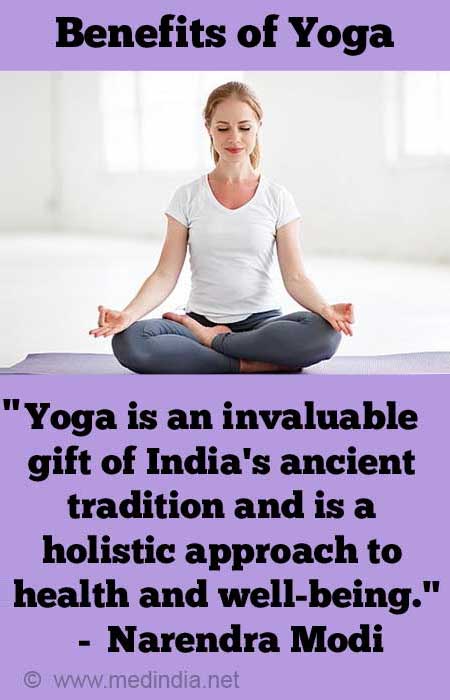
Yoga philosophy encompasses the eight limbs of yoga as outlined by the ancient sage Patanjali. These eight limbs provide a comprehensive framework for a holistic and meaningful yogic life. Understanding the eight limbs of yoga involves exploring concepts such as moral observances, physical postures, breath control, concentration, meditation, and the ultimate goal of yoga – self-realization and union with the divine.
Incorporating yoga principles into daily life
Yoga is not just a physical practice; it is a way of life. Incorporating yoga principles into daily life involves living with integrity, compassion, and mindfulness. Yoga teaches us to be aware of our thoughts, words, and actions and to cultivate a harmonious relationship with ourselves, others, and the world around us.
Cultivating mindfulness and meditation practice
Mindfulness and meditation are integral aspects of yoga practice. Cultivating mindfulness involves bringing non-judgmental awareness to the present moment, while meditation involves training the mind to focus and settle into a state of stillness. Regular mindfulness and meditation practice can deepen self-awareness, enhance mental clarity, reduce stress, and improve overall well-being.
Exploring yogic ethics and values
Yoga is based on a set of ethical principles and values known as the yamas and niyamas. The yamas encompass moral observances such as non-violence, truthfulness, and non-stealing, while the niyamas involve personal observances such as purity, contentment, and self-discipline. Exploring and incorporating these ethical principles into daily life can lead to a more meaningful and purposeful existence.
Nurturing a non-judgmental and compassionate mindset
Yoga teaches us to cultivate a non-judgmental and compassionate mindset towards ourselves and others. Through self-acceptance, forgiveness, and empathy, we can develop a deep sense of compassion and foster more harmonious relationships. Nurturing a non-judgmental and compassionate mindset is an ongoing practice that can transform our interactions and create a more loving and accepting world.
Creating a healthy and balanced lifestyle
Yoga encourages individuals to create a healthy and balanced lifestyle that supports their overall well-being. This includes adopting a nutritious diet, engaging in regular physical activity, managing stress, getting sufficient sleep, and practicing self-care. By prioritizing self-care and creating a balanced lifestyle, individuals can cultivate a greater sense of health, vitality, and overall well-being.
Exploring the concept of self-realization and enlightenment
At its core, yoga aims to facilitate self-realization and enlightenment. Self-realization involves recognizing and connecting with one’s true nature or essence, while enlightenment refers to transcending the limitations of the ego and experiencing a state of unity and interconnectedness. Exploring the concept of self-realization and enlightenment is a transformative journey that involves inner exploration, self-reflection, and self-discovery.
Incorporating Ayurvedic principles into yoga practice
Ayurveda is an ancient holistic healing system that complements the practice of yoga. Incorporating Ayurvedic principles into yoga practice involves understanding one’s unique constitution or dosha, balancing the elements within the body, and embracing lifestyle practices that promote health and well-being. Ayurveda teaches us to live in harmony with nature and honor our body’s individual needs.
Living a sustainable and eco-friendly lifestyle
Yoga promotes living in harmony with the environment and embracing a sustainable and eco-friendly lifestyle. It encourages individuals to be mindful of their ecological footprint, reduce waste, support environmentally friendly practices, and cultivate a deep connection with the natural world. Living a sustainable and eco-friendly lifestyle aligns with the principles of yoga and fosters a sense of interconnectedness and responsibility towards the planet.
Practicing gratitude and contentment
Gratitude and contentment are essential aspects of a yogic lifestyle. Yoga teaches us to appreciate and be grateful for the blessings in our lives, big and small. By practicing gratitude and cultivating contentment, we can shift our focus from what is lacking to what is abundant, leading to a greater sense of peace, joy, and overall well-being.
Yoga and Community
Joining yoga classes and studios
Joining yoga classes and studios provides a supportive community for individuals to practice and learn from experienced teachers. Yoga classes offer a space where individuals can connect with like-minded individuals, receive guidance, and deepen their practice. The supportive environment of a yoga class can foster motivation, accountability, and a sense of belonging.
Participating in yoga retreats and workshops
Yoga retreats and workshops offer immersive experiences for individuals to dive deeper into their yoga practice. These dedicated periods of self-care and self-exploration provide an opportunity to disconnect from daily routines and connect with oneself and nature. Retreats and workshops often include specialized classes, meditation sessions, and activities that promote personal growth and rejuvenation.
Connecting with like-minded individuals
Yoga provides a platform for individuals to connect with like-minded individuals who share a passion for health, well-being, and personal growth. By joining yoga communities, participating in events, or engaging in online forums, individuals can create connections, share experiences, and find support on their yoga journey.
Exploring online yoga communities
Online yoga communities have become increasingly popular, providing a space for individuals to connect and practice yoga virtually. These communities offer a range of resources, including online classes, discussion forums, and social media platforms, where individuals can share their yoga experiences, seek guidance, and connect with teachers and practitioners from around the world.
Supporting and learning from yoga teachers
Yoga teachers play a crucial role in guiding and supporting individuals on their yoga journey. Supporting and learning from yoga teachers involves attending their classes, workshops, or retreats, and respecting their wisdom and expertise. By cultivating a teacher-student relationship, individuals can deepen their understanding of yoga, receive personalized guidance, and continue to grow in their practice.
Engaging in seva (selfless service) through yoga
Seva, or selfless service, is an integral part of yoga philosophy. Engaging in seva through yoga involves offering one’s time, skills, or resources for the benefit of others. By volunteering in yoga-related activities, participating in community service projects, or supporting charitable organizations, individuals can apply the principles of yoga in action and make a positive impact on their communities.
Participating in yoga for social change
Yoga has the power to create social change and promote equality and social justice. Participating in yoga for social change involves supporting initiatives and organizations that use yoga as a tool for empowerment, healing, and community development. By engaging in yoga practices that raise awareness and address societal issues, individuals can contribute to positive social transformation.
Exploring yoga conferences and festivals
Yoga conferences and festivals provide opportunities for individuals to gather, learn, and celebrate the practice of yoga. These events often feature a diverse range of workshops, lectures, and performances by renowned yoga teachers and practitioners. Exploring yoga conferences and festivals provides individuals with exposure to different styles, teachings, and perspectives within the yoga community.
Supporting yoga charities and organizations
Various charities and organizations use yoga as a means to support underserved communities, promote mental health, and empower individuals facing adversity. Supporting yoga charities and organizations involves donating resources, attending fundraising events, or volunteering in their initiatives. By supporting these organizations, individuals contribute to making yoga accessible and beneficial to diverse populations.
Building a sense of belonging and connection
Yoga provides a sense of belonging and connection, both within oneself and with others. Through yoga practice, individuals can tap into a deep sense of belonging and interconnectedness with all beings. By participating in the yoga community, engaging in self-reflection, and cultivating compassion, individuals can build a sense of belonging that extends beyond the individual level, embracing the collective consciousness.