When you think about yoga, you might envision serene poses and calming breaths, but its benefits extend far beyond relaxation. For many individuals suffering from back pain, yoga can serve as a powerful tool for relief. The gentle stretching and strengthening inherent in yoga can help alleviate tension in the muscles surrounding the spine, promoting better alignment and reducing discomfort.
By engaging in regular practice, you may find that your back pain diminishes over time, allowing you to reclaim your daily activities without the burden of discomfort. Moreover, yoga encourages mindfulness and body awareness, which can be particularly beneficial for those dealing with chronic pain. As you learn to tune into your body’s signals, you may become more adept at recognizing the movements and postures that exacerbate your pain.
This heightened awareness can empower you to make informed choices about your physical activities, ultimately leading to a more balanced and pain-free lifestyle. The combination of physical movement and mental focus creates a holistic approach to managing back pain that many find invaluable.
Key Takeaways
- Yoga can help relieve back pain by improving flexibility, strength, and posture, as well as reducing stress and tension in the body.
- When looking for a yoga studio in Frisco, TX, consider factors such as location, class schedule, instructor experience, and the variety of classes offered.
- Proper alignment and posture are crucial in yoga for back pain relief, as they help prevent further strain on the back and promote healing.
- Gentle yoga practices tailored for individuals with chronic back pain can provide relief and improve mobility without exacerbating existing pain.
- Specific yoga poses and sequences can target back pain by stretching and strengthening the muscles, promoting better spinal alignment, and relieving tension.
- Incorporating breathwork and meditation into a yoga practice can reduce stress, calm the mind, and alleviate back pain by releasing tension and promoting relaxation.
- Yoga props and modifications can be used to support the body and make poses more accessible, especially for individuals with back pain or limited mobility.
- Building strength and flexibility in the back through yoga can help prevent future back pain and improve overall spinal health.
- The mind-body connection in yoga can positively impact back pain by promoting awareness, relaxation, and a sense of well-being.
- Creating a consistent yoga practice is essential for long-term back pain management, as it allows for ongoing benefits and improvements in back health.
- Additional therapies and practices such as massage, acupuncture, and chiropractic care can complement yoga for back pain relief by addressing muscular tension, alignment issues, and overall well-being.
Finding the Right Yoga Studio in Frisco, TX
Embarking on your yoga journey requires finding a studio that resonates with your needs and preferences. In Frisco, TX, you have a variety of options to choose from, each offering unique classes and atmospheres. Start by researching local studios online, reading reviews, and checking their class schedules.
Look for studios that specialize in therapeutic or gentle yoga, as these classes are often tailored for individuals with specific concerns like back pain. Once you’ve narrowed down your options, consider visiting the studios in person. This will give you a feel for the environment and allow you to meet the instructors.
A welcoming atmosphere can significantly enhance your experience, making it easier for you to relax and focus on your practice. Don’t hesitate to ask questions about the instructors’ qualifications and their experience working with students who have back pain. Finding a supportive community can make all the difference in your journey toward relief.
The Importance of Proper Alignment and Posture in Yoga for Back Pain
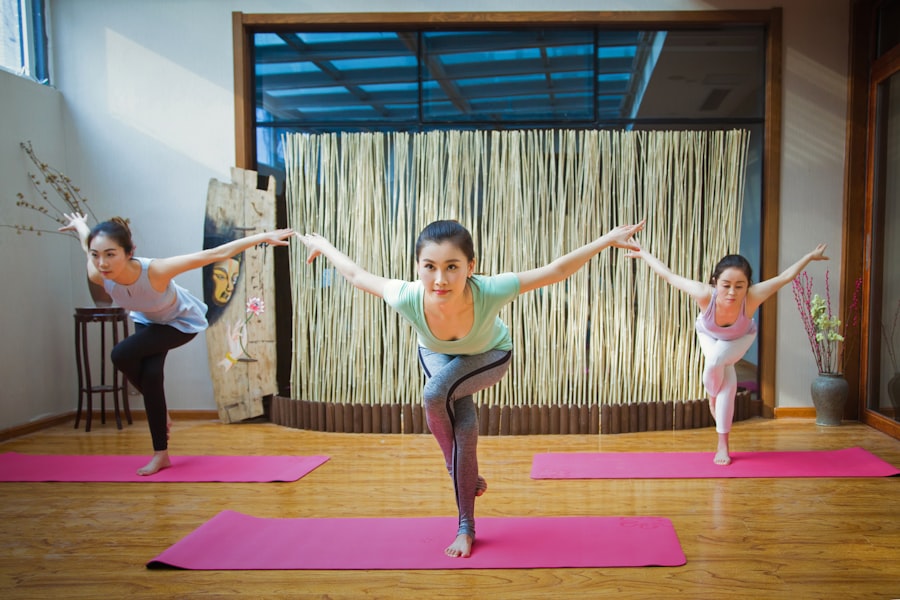
Proper alignment is crucial when practicing yoga, especially for those dealing with back pain. When your body is aligned correctly, it allows for optimal movement and reduces the risk of injury. As you engage in various poses, pay close attention to how your body feels and where you might be misaligned.
This awareness can help you make necessary adjustments that promote safety and effectiveness in your practice. In addition to alignment, maintaining good posture throughout your daily life is essential for managing back pain. Yoga teaches you how to hold your body in a way that supports spinal health.
By incorporating these principles into your everyday activities—whether sitting at a desk or lifting objects—you can create a more supportive environment for your back. Over time, these small changes can lead to significant improvements in your overall comfort and well-being.
Gentle Yoga Practices for Individuals with Chronic Back Pain
If you’re living with chronic back pain, gentle yoga practices can be particularly beneficial. These classes often focus on slow movements and restorative poses that allow you to ease into stretches without straining your body. Poses such as Child’s Pose or Cat-Cow can help release tension in the back while promoting flexibility and strength.
As you explore these gentle practices, listen to your body and honor its limits; this is key to preventing further discomfort. In addition to physical benefits, gentle yoga can also provide emotional support during challenging times. The calming nature of these practices encourages relaxation and stress reduction, which can be especially helpful when dealing with chronic pain.
By creating a safe space for yourself on the mat, you may find that you can connect with your body in a new way, fostering a sense of peace and acceptance that extends beyond your yoga practice.
Yoga Poses and Sequences Specifically Targeting Back Pain
Certain yoga poses are particularly effective at targeting back pain and promoting relief. For instance, Downward-Facing Dog stretches the entire back while strengthening the arms and legs. Similarly, poses like Sphinx or Cobra can help open up the chest and strengthen the lower back muscles.
Incorporating these poses into a sequence can create a well-rounded practice that addresses various aspects of back pain. When designing your sequences, consider including poses that promote both flexibility and strength. A balanced approach will help ensure that your muscles are not only stretched but also supported.
You might start with gentle stretches to warm up before moving into more challenging poses that engage the core and back muscles. As you become more comfortable with these sequences, you may find that they not only alleviate pain but also enhance your overall physical fitness.
Incorporating Breathwork and Meditation for Stress Reduction and Back Pain Relief

Breathwork is an integral part of yoga that can significantly enhance your practice, especially when it comes to managing back pain. Focusing on your breath helps calm the nervous system and promotes relaxation throughout the body. Techniques such as deep belly breathing or alternate nostril breathing can help reduce tension in the back by encouraging a state of calmness and mindfulness.
Meditation is another powerful tool that complements your yoga practice beautifully. By taking time to sit quietly and focus on your breath or a specific mantra, you create space for mental clarity and emotional healing. This practice can be particularly beneficial when dealing with chronic pain, as it allows you to cultivate a sense of acceptance and resilience.
Over time, integrating breathwork and meditation into your routine may lead to profound shifts in how you experience both physical discomfort and emotional stress.
The Role of Yoga Props and Modifications for Back Pain
Yoga props such as blocks, straps, and bolsters can be invaluable tools for individuals dealing with back pain. These props provide support and stability, allowing you to modify poses to suit your body’s needs better. For example, using a block under your hands in Downward-Facing Dog can help alleviate strain on the lower back while still allowing you to enjoy the benefits of the pose.
Modifications are essential when practicing yoga with back pain; they enable you to participate fully without risking injury. Don’t hesitate to communicate with your instructor about any discomfort you may feel during class; they can offer personalized modifications that cater specifically to your situation. Embracing these tools not only enhances your practice but also fosters a sense of empowerment as you learn to adapt poses to suit your unique body.
Building Strength and Flexibility in the Back through Yoga
One of the most significant advantages of practicing yoga is its ability to build both strength and flexibility in the back muscles. Many poses target key muscle groups that support spinal health, helping to create a more resilient foundation for your body. As you progress in your practice, you may notice improvements in your overall strength, which can lead to reduced pain and increased mobility.
Flexibility is equally important when it comes to managing back pain. Tight muscles can contribute to discomfort and limit your range of motion; therefore, incorporating stretches into your routine is essential. Poses like Forward Fold or Seated Forward Bend can help lengthen tight muscles while promoting relaxation throughout the spine.
By focusing on both strength and flexibility, you create a balanced approach that supports long-term relief from back pain.
The Mind-Body Connection in Yoga and its Impact on Back Pain
The mind-body connection is a fundamental aspect of yoga that plays a crucial role in managing back pain. When you practice yoga, you cultivate awareness of how your thoughts and emotions influence physical sensations in your body. This connection allows you to explore the underlying causes of your pain—whether they stem from physical tension or emotional stress—and address them holistically.
By fostering this connection through mindfulness practices, you may find that your perception of pain shifts over time. Instead of viewing discomfort as an enemy, you learn to approach it with curiosity and compassion. This shift in perspective can lead to greater acceptance of your body’s limitations while empowering you to take proactive steps toward healing.
Creating a Consistent Yoga Practice for Long-Term Back Pain Management
Establishing a consistent yoga practice is key to achieving long-term relief from back pain. Aim to set aside dedicated time each week for your practice—whether it’s attending classes at a studio or practicing at home. Consistency allows you to build strength, flexibility, and awareness over time, leading to more significant improvements in how you feel.
As you develop this routine, consider keeping a journal to track your progress and reflect on how different poses affect your body. This practice not only helps reinforce accountability but also provides insight into what works best for you. Remember that every individual’s journey is unique; be patient with yourself as you navigate this path toward healing.
Additional Therapies and Practices to Complement Yoga for Back Pain Relief
While yoga is an effective tool for managing back pain, it can be even more beneficial when combined with other therapies and practices. Consider exploring options such as physical therapy or chiropractic care, which can provide additional support tailored specifically to your needs. These modalities often work hand-in-hand with yoga by addressing underlying issues contributing to discomfort.
Additionally, incorporating practices like massage therapy or acupuncture may enhance your overall well-being by promoting relaxation and reducing muscle tension. Each of these therapies offers unique benefits that complement the holistic approach of yoga, creating a comprehensive strategy for managing back pain effectively. By embracing a multifaceted approach, you empower yourself on the journey toward lasting relief and improved quality of life.
If you’re seeking effective ways to alleviate back pain, consider exploring the benefits of yoga at a local studio in Frisco, TX. Yoga not only enhances flexibility and strength but also promotes relaxation and mindfulness, which can be crucial for pain management. For a deeper understanding of the importance of yoga in overall well-being, you can read this insightful article on why yoga is so important by following this link: Why is Yoga So Important?.
FAQs
What is a yoga studio?
A yoga studio is a dedicated space for practicing yoga, typically equipped with yoga mats, props, and a peaceful atmosphere for meditation and relaxation.
How can yoga help with back pain relief?
Yoga can help with back pain relief by improving flexibility, strengthening muscles that support the spine, and promoting better posture and alignment. Certain yoga poses can also help to release tension and reduce inflammation in the back.
What should I look for in a yoga studio for back pain relief?
When looking for a yoga studio for back pain relief, it’s important to find one that offers classes specifically designed for individuals with back pain. Additionally, look for experienced instructors who can provide modifications and adjustments to accommodate any limitations or discomfort.
Are there specific types of yoga that are best for back pain relief?
Gentle yoga, restorative yoga, and yin yoga are often recommended for individuals seeking relief from back pain. These styles of yoga focus on slow, gentle movements and deep stretching, which can be beneficial for alleviating tension and discomfort in the back.
What are some common yoga poses for back pain relief?
Some common yoga poses for back pain relief include child’s pose, cat-cow stretch, downward-facing dog, sphinx pose, and supine twist. These poses can help to stretch and strengthen the muscles in the back, providing relief from pain and discomfort.